- Duty of Care
- An employer's legal and ethical obligation to take reasonable steps to protect the health, safety, and security of employees while they travel on company business.
- Travel Risk Assessment
- A documented evaluation of the hazards associated with a specific trip — destination threat level, health risks, political stability, and travel logistics — completed before departure is approved.
- Risk Classification
- A tiered rating (e.g., low, medium, high, extreme) assigned to a destination based on government advisories, security conditions, and health infrastructure.
- Travel Management Company (TMC)
- A third-party agency contracted to book and manage corporate travel, often providing 24/7 traveler support and real-time location tracking.
- Incident Report
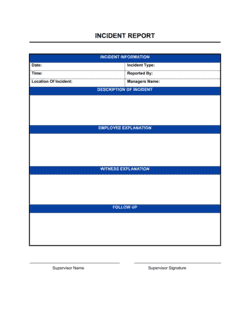
- A formal written record of any safety, security, health, or legal event that affected an employee during a business trip, filed within a defined timeframe after the event.
- Pre-Trip Approval
- A formal sign-off by a manager or travel coordinator confirming that a proposed trip meets policy requirements and that risk mitigations are in place before booking is confirmed.
- Traveler Tracking
- A system — manual itinerary filing, a TMC platform, or dedicated travel safety software — that allows the company to locate and contact employees at any point during a trip.
- Medical Evacuation (MedEvac)
- Emergency transport of an ill or injured traveler to an appropriate medical facility, typically covered under a specialized travel insurance policy.
- Force Majeure Event
- An unforeseeable event outside anyone's control — natural disaster, political coup, pandemic — that triggers emergency response and early-return procedures under the policy.
- Post-Trip Debrief
- A structured check-in after a trip where the traveler reports incidents, updates risk intelligence for the destination, and confirms safe return.