- Current Assets
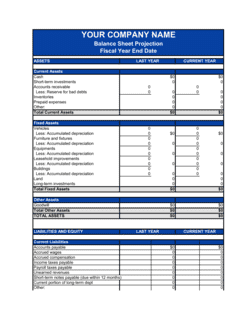
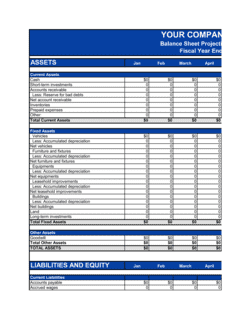
- Assets expected to be converted to cash or used within 12 months, including cash, accounts receivable, inventory, and prepaid expenses.
- Non-Current Assets
- Long-term assets not expected to be liquidated within 12 months, such as property, plant, equipment, and intangible assets.
- Current Liabilities
- Obligations due within 12 months, including accounts payable, accrued expenses, short-term debt, and the current portion of long-term debt.
- Non-Current Liabilities
- Debt and obligations maturing beyond 12 months, such as long-term bank loans, bonds payable, and deferred tax liabilities.
- Shareholders' Equity
- The residual interest in assets after all liabilities are deducted — comprising paid-in capital, retained earnings, and accumulated other comprehensive income.
- Retained Earnings
- Cumulative net income earned since inception minus all dividends or distributions paid to owners.
- Working Capital
- Current assets minus current liabilities — the net short-term liquidity available to fund day-to-day operations.
- Accounting Period
- The specific date as of which the balance sheet is prepared — for a quarterly statement, typically the last calendar day of the fiscal quarter.
- Comparative Period
- The prior-period balance sheet column shown alongside the current period to allow readers to identify trends and changes in financial position.
- Going Concern
- The assumption that a business will continue operating for the foreseeable future — a going-concern qualification from an auditor signals material doubt about this assumption.
- Accrual Basis
- An accounting method that records revenues when earned and expenses when incurred, regardless of when cash changes hands — the basis required for GAAP-compliant balance sheets.
- Intangible Assets
- Non-physical assets with economic value, such as patents, trademarks, software licenses, and goodwill arising from a business acquisition.