1
Identify the original contract precisely
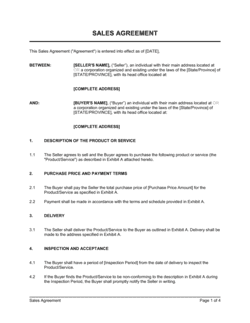
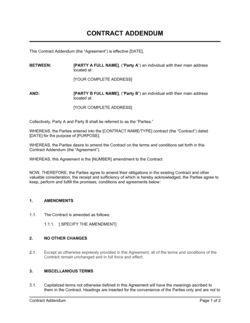
Enter the full title of the original sales contract, its execution date, and the legal names of both parties exactly as they appear in the original document. Do not use trade names or abbreviations if the original uses registered entity names.
💡 Pull the signature page of the original contract before drafting — the entity names, dates, and contract title are often different from what the parties use informally.
2
Set the amendment number and effective date
If this is not the first amendment, number it sequentially (e.g., 'First Amendment,' 'Second Amendment'). Then enter the specific effective date — which may be earlier than the signing date if the parties have already been operating under the new terms.
💡 Retroactive effective dates are common and valid, but note them clearly to avoid disputes about which invoices or deliveries fall under the old versus new terms.
3
Quote the original clause and state the replacement
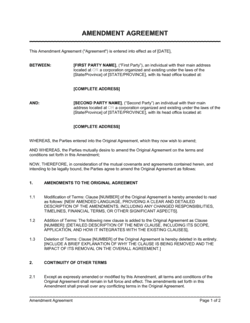
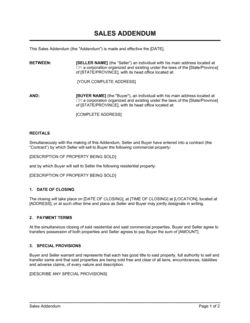
Copy the exact text of the clause being amended from the original contract, then write the full replacement language beneath it. Use the format 'Section X is hereby deleted and replaced with:' for maximum clarity.
💡 If you are amending a dollar figure, spell out both the old and new amounts in words and numerals — e.g., '$42,500.00 (forty-two thousand five hundred dollars)' — to prevent any transcription dispute.
4
Confirm consideration for the change
State what each party is giving in exchange for the modified terms. For a price reduction, the buyer's continued performance under the contract is typically sufficient consideration. Include the standard mutual-consideration boilerplate even if the exchange is straightforward.
💡 If one party is giving something up with nothing in return — for example, a seller simply lowering the price at the buyer's request — consider adding a small nominal benefit to the seller (e.g., accelerated payment) to establish valid consideration.
5
Add the no-other-changes and conflict-resolution clauses
Include both the 'all other terms remain in effect' clause and the 'this amendment controls in case of conflict' clause. These two sentences prevent the most common post-signing disputes.
💡 Read through all related provisions in the original contract after drafting the amendment — a change to delivery dates may implicitly affect liquidated damages, payment triggers, or warranty periods.
6
Confirm authority and execute with matching signatories
Identify who is authorized to sign on behalf of each entity and ensure they match or exceed the authority level of the original signatories. Both parties should sign and date separately.
💡 If the original contract required a corporate officer's signature, get the amendment signed by an officer of equal or higher rank — not a manager or coordinator.
7
Attach the amendment to the original contract
Once both parties have signed, attach the executed amendment to the original contract and distribute copies to all parties. Update any contract management system or file that references the original agreement.
💡 Send the fully executed amendment to your accounts payable or accounts receivable team the same day — delayed distribution is the leading cause of invoices being generated under old (wrong) terms.