- Notice Period
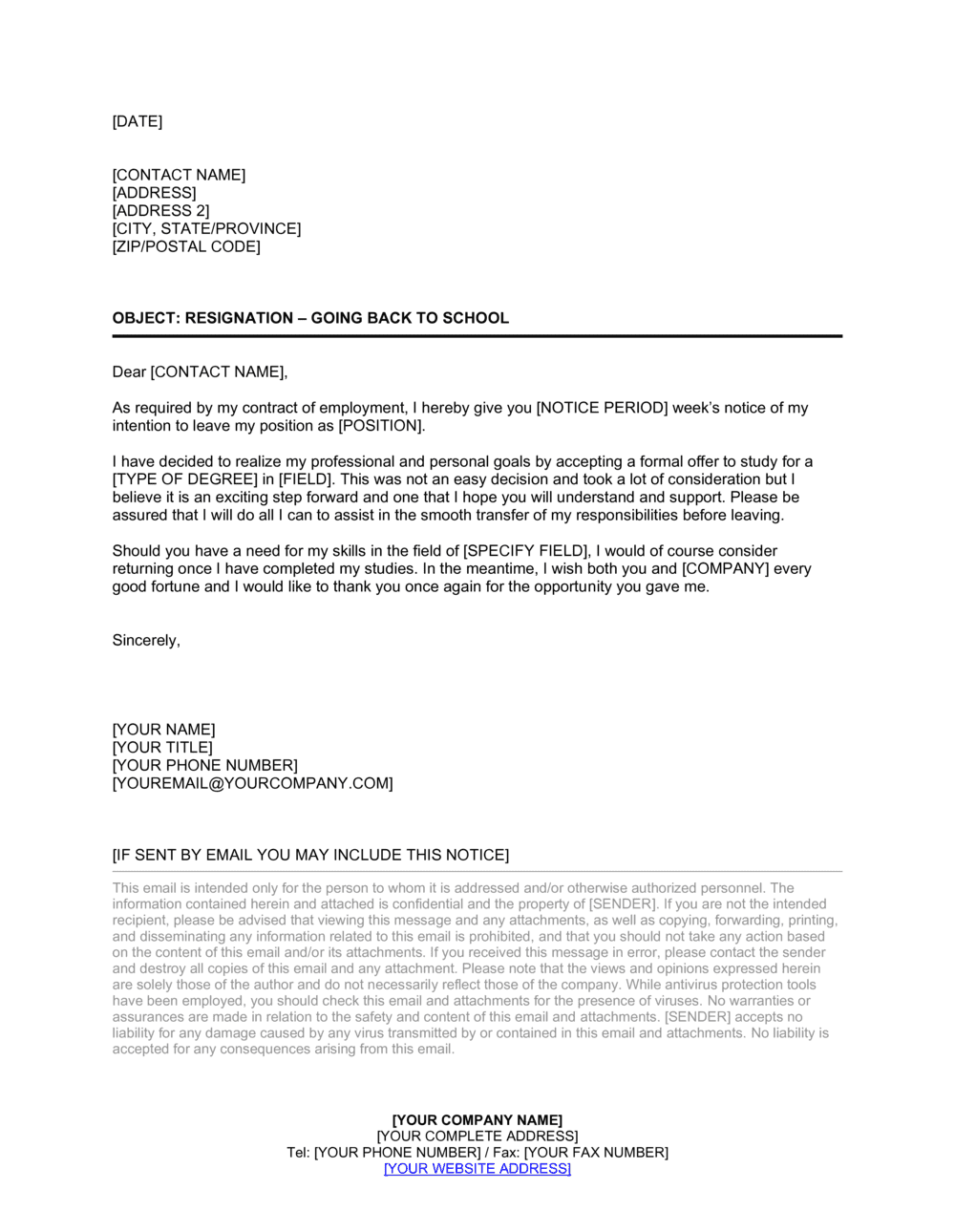
- The number of days or weeks an employee must continue working after submitting a resignation, as required by their employment contract or local employment law.
- Effective Date of Resignation
- The specific calendar date on which employment officially ends — typically the last day of the required notice period.
- At-Will Employment
- An employment arrangement in most US states where either party may end the relationship at any time for any lawful reason, with or without advance notice unless contracted otherwise.
- Constructive Notice
- Written documentation that legally establishes awareness of an important fact — a resignation letter in writing serves as constructive notice of intent to leave.
- Transition Assistance
- An offer by the resigning employee to help train a replacement, document processes, or complete outstanding work before their final day.
- Final Pay
- All wages, accrued vacation, and other earned compensation an employer owes an employee as of the effective date of resignation, subject to jurisdiction-specific timing requirements.
- Non-Compete Clause
- A provision in an employment contract restricting the employee from working for competitors or starting a competing business after leaving — typically unaffected by the reason for resignation.
- Severance
- Compensation beyond final pay that some employers offer upon termination or resignation, often in exchange for a release of claims — not legally required in most jurisdictions unless contracted.
- Reference Letter
- A written statement from a former employer confirming employment dates, role, and performance — a resignation letter that preserves goodwill increases the likelihood of receiving a strong one.
- Employment Record
- The employer's documented file of an employee's hire date, role history, performance, and separation details — the resignation letter becomes part of this record.