1
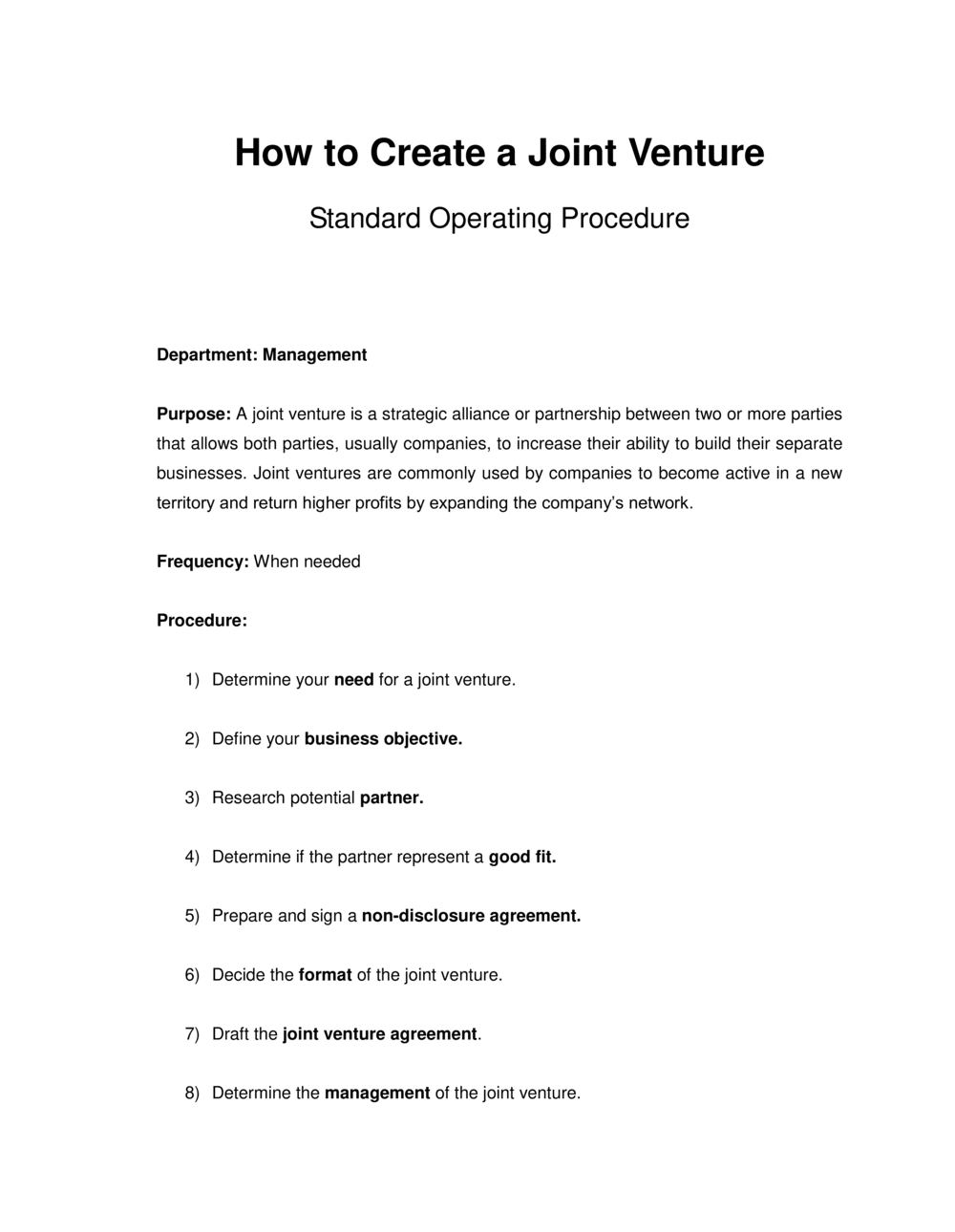
Define the JV's strategic purpose and scope
Write a one-paragraph statement of the specific opportunity the JV will pursue, the geographic or product scope, and the planned duration. Keep it narrow — broad scope creates governance disputes later.
💡 If you cannot write the purpose statement in two sentences, the JV concept is not yet defined clearly enough to proceed.
2
Assess each partner's contributions and due diligence
List every asset, capability, and resource each party brings to the JV. Conduct basic due diligence — financials, litigation history, regulatory standing — on the prospective partner before completing this section.
💡 Request the last two years of audited financial statements from any prospective partner contributing more than 25% of JV capital.
3
Select and document the JV structure
Choose between a contractual JV and an incorporated entity. Document the rationale — tax treatment, liability exposure, regulatory requirements — and the proposed jurisdiction if incorporating.
💡 Consult a tax advisor before selecting an incorporated structure. Pass-through entities (LLCs, partnerships) avoid double taxation in most common JV scenarios.
4
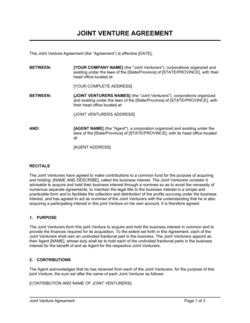
Agree and document capital contributions
List each party's cash and non-cash contributions with agreed valuations. Get independent valuations for non-cash items (IP, equipment, real estate) before finalizing ownership percentages.
💡 Document the valuation methodology for non-cash contributions — not just the agreed number. This prevents retroactive disputes about whether the valuation was accurate.
5
Build the governance framework
Define management committee composition, voting thresholds, and a reserved-matters list. For any 50/50 JV, add an explicit deadlock resolution mechanism — such as escalation to CEOs, followed by mediation, then a buy-sell trigger.
💡 Draft the reserved-matters list by asking: 'What decisions, if made without my input, would I consider a breach of the partnership?' That list is your reserved matters.
6
Set profit-sharing, distribution, and accounting terms
Agree on the distribution ratio, minimum cash reserve before distributions are triggered, distribution frequency, and which accounting standard the JV will follow.
💡 If one partner is providing management services to the JV, consider a management fee paid before profit distribution so that the working partner is compensated separately from passive investors.
7
Allocate IP and define confidentiality obligations
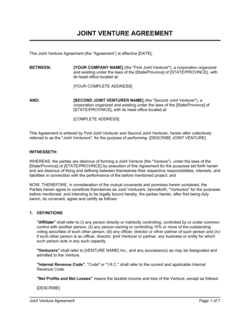
Clearly label each IP item as licensed-in, contributed/assigned, or newly created during JV operations. State explicitly who owns newly created IP and what happens to it upon dissolution.
💡 Use an IP schedule annexed to the plan listing every item of pre-existing IP by name, owner, and license terms — do not leave any item in an 'understood' category.
8
Document exit mechanisms and dissolution terms
Agree on the buyout valuation formula, notice periods, change-of-control triggers, and dissolution procedure before presenting the plan to legal counsel for drafting into a binding agreement.
💡 The valuation formula you agree to in this planning document will be the hardest provision to renegotiate later — spend disproportionate time on it now.