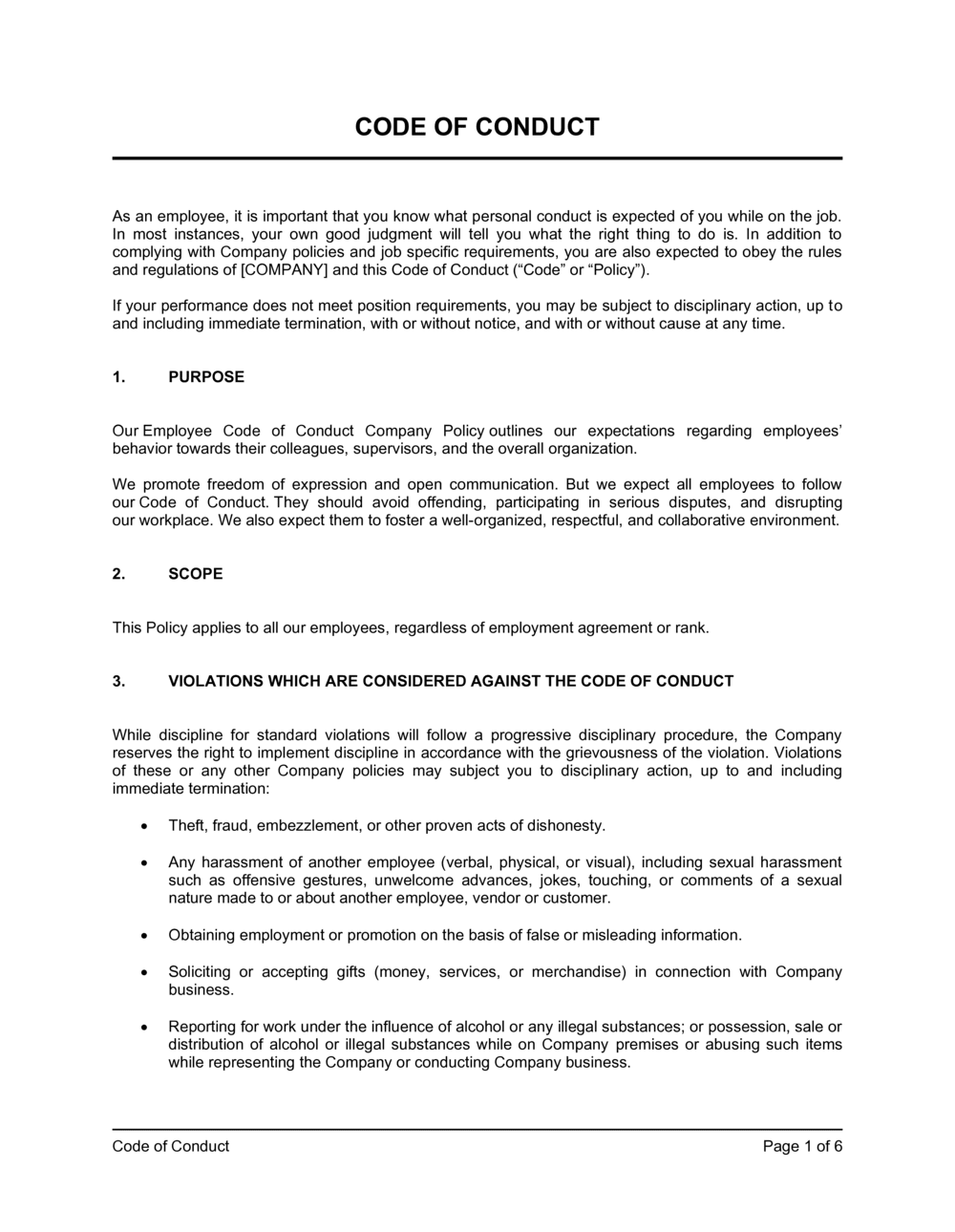
- Code of Conduct
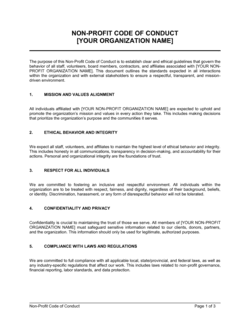
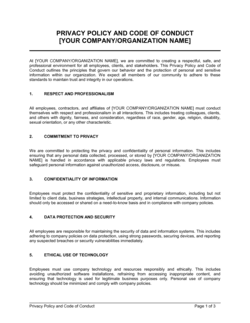
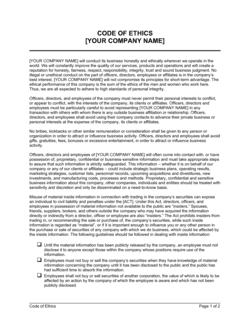
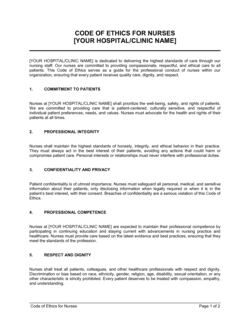
- A written policy document that defines the behavioral and ethical standards an organization expects from all employees and representatives.
- Conflict of Interest
- A situation in which an employee's personal interests — financial, relational, or otherwise — could impair or appear to impair their professional judgment.
- Whistleblower Protection
- A policy guarantee that employees who report misconduct in good faith will not face retaliation, demotion, or termination as a result.
- Anti-Harassment Policy
- A formal prohibition on unwanted conduct based on protected characteristics — including sex, race, religion, and disability — that creates a hostile work environment.
- Progressive Discipline
- A structured escalation of consequences for policy violations — typically verbal warning, written warning, suspension, then termination — applied consistently across the organization.
- Confidential Information
- Any non-public business data — including financials, customer lists, product roadmaps, and trade secrets — that employees are obligated not to disclose or misuse.
- Scope
- The definition of who is covered by the policy — typically all full-time and part-time employees, contractors, interns, and anyone acting on behalf of the company.
- Acknowledgment Form
- A signed or digitally confirmed record proving the employee received, read, and agrees to comply with the code of conduct.
- Retaliation
- Adverse action taken against an employee for reporting a concern, participating in an investigation, or exercising a protected right — prohibited under most jurisdictions' employment law.
- Zero-Tolerance Policy
- A conduct standard that mandates immediate termination for specific violations — such as physical violence, fraud, or sexual assault — without progressive discipline steps.