Checklist Safety Inspection

Free download β€’ Use as a template β€’ Print or share

3 pagesβ€’15–25 min to useβ€’Difficulty: Standard
Learn more ↓
FreeChecklist Safety Inspection Template

At a glance

What it is
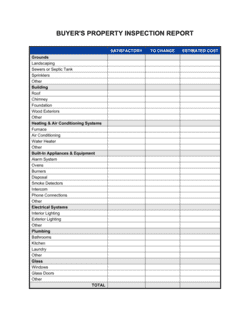
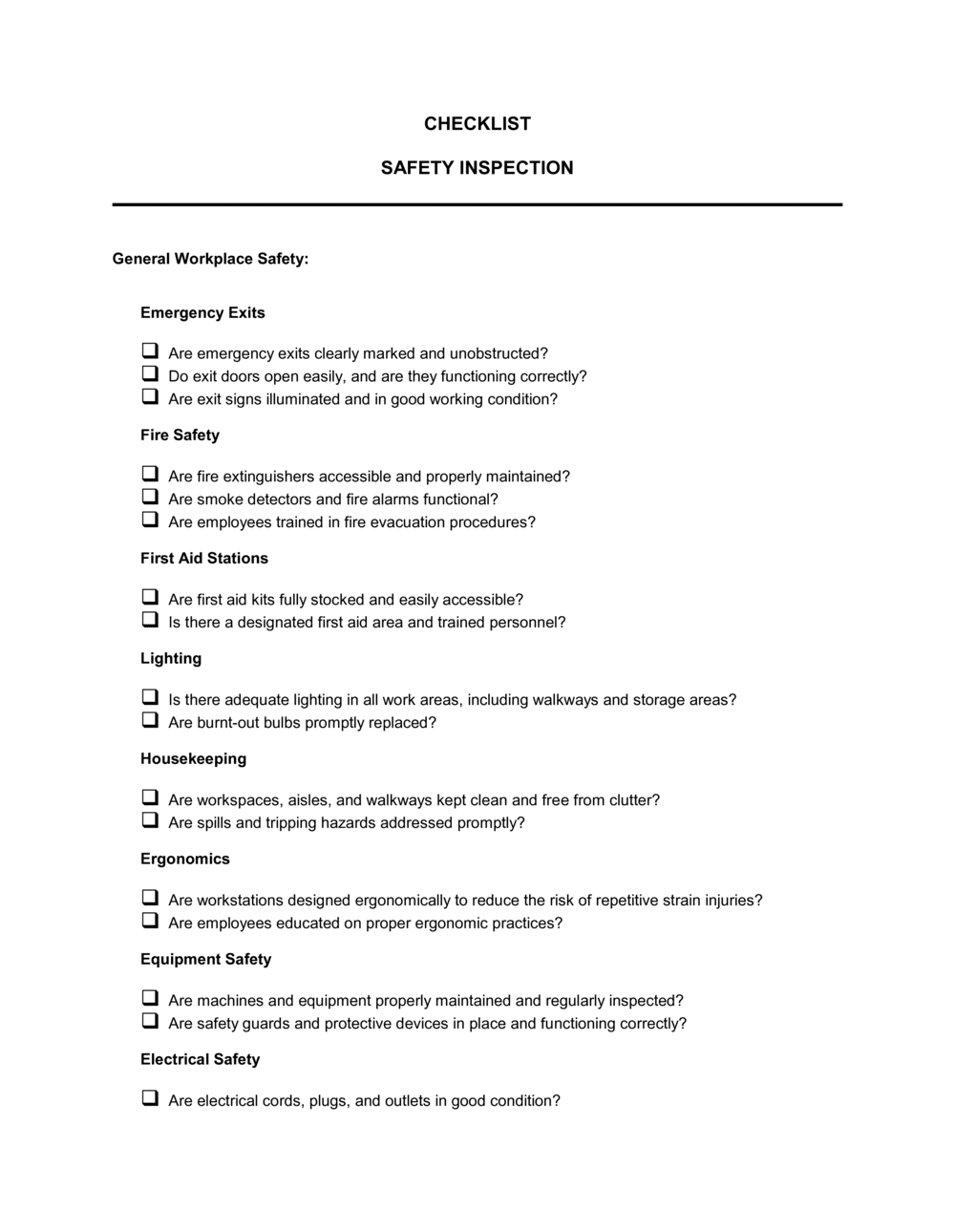
A Safety Inspection Checklist is a structured form used to systematically evaluate a workplace, site, or piece of equipment for hazards, compliance gaps, and corrective actions needed. This free Word download gives you a ready-to-use inspection form you can edit online, customize for your industry or site type, and export as PDF for use in the field.
When you need it
Use it before opening a new facility, during routine scheduled inspections, after an incident or near-miss, or whenever regulatory compliance requires documented evidence of safety checks.
What's inside
Inspection header with site and date details, categorized hazard checklists covering equipment, electrical, fire safety, PPE, and housekeeping, a findings log with severity ratings, a corrective action section with assigned responsibility and due dates, and an inspector sign-off block.

What is a Safety Inspection Checklist?

A Safety Inspection Checklist is a structured form used to systematically evaluate a workplace, facility, piece of equipment, or job site for physical hazards, regulatory compliance gaps, and corrective actions required. It guides an inspector through a predefined set of categories β€” covering areas such as electrical safety, fire exits, equipment condition, housekeeping, and personal protective equipment β€” and records each finding with a risk rating, responsible party, and remediation deadline. The completed form serves as both an operational safety tool and a documented audit trail demonstrating that inspections were conducted, hazards were identified, and corrective actions were assigned.

Why You Need This Document

Without a documented inspection record, your organization has no evidence of due diligence if a workplace injury occurs or a regulatory agency conducts an audit. A verbal walkthrough that finds no written record is legally equivalent to no inspection at all β€” and an undocumented hazard that later causes harm exposes the business to far greater liability than a documented one with an assigned corrective action. Regulators including OSHA require written inspection records for specific equipment categories, and insurers increasingly review inspection frequency and corrective action closure rates when evaluating workers' compensation premiums. This template gives supervisors and safety officers a consistent, field-ready form that captures every required data point β€” from hazard description and risk rating to named accountability and sign-off β€” so every inspection produces a record that protects your team and your business.

Which variant fits your situation?

If your situation is…Use this template
Inspecting heavy machinery or industrial equipmentEquipment Safety Inspection Checklist
Conducting a fire safety walkthrough of a commercial buildingFire Safety Inspection Checklist
Performing a daily pre-shift check on a construction siteConstruction Site Daily Safety Checklist
Evaluating ergonomic and office hazards in a corporate environmentOffice Safety Inspection Checklist
Documenting a vehicle or fleet safety inspectionVehicle Safety Inspection Checklist
Reviewing safety conditions following a workplace incidentIncident Investigation Report
Auditing a supplier or contractor's safety practicesContractor Safety Audit Checklist

Common mistakes to avoid

❌ Vague hazard descriptions

Why it matters: A finding described as 'electrical issue in storage room' cannot be located, re-inspected, or verified as corrected. Auditors and courts treat unverifiable findings as undocumented.

Fix: Record the specific item, its exact location, and the observed condition β€” 'frayed extension cord plugged into outlet on the north wall of Storage Room B, behind shelf unit 3.'

❌ Assigning corrective actions to departments instead of individuals

Why it matters: When 'the maintenance team' is responsible, no single person owns the item and high-risk findings regularly age past their due dates without resolution.

Fix: Name a specific person for every corrective action and confirm their acknowledgment in writing before closing the inspection.

❌ Conducting inspections on a fixed visible schedule only

Why it matters: If workers know inspections always happen on the first Monday of the month, hazardous conditions are temporarily corrected and then return β€” the inspection records safe conditions that don't exist day-to-day.

Fix: Mix scheduled inspections with unannounced spot checks to get an accurate picture of routine operating conditions.

❌ Filing the completed form without distributing corrective actions

Why it matters: An inspection that identifies hazards but doesn't trigger corrective action exposes the organization to greater liability than no inspection at all β€” it documents awareness of the hazard.

Fix: Distribute assigned corrective actions to responsible parties the same day the inspection is signed off, and set calendar reminders to verify closure by the due date.

The 8 key fields, explained

Inspection header

Inspector details

Inspection category checklist

Findings log

Corrective action plan

Risk rating summary

Supporting evidence references

Inspector sign-off

How to fill it out

  1. 1

    Complete the inspection header before entering the site

    Fill in the site name, specific location within the facility, inspection type, date, and time at the start β€” not after. This ensures the record reflects when you actually entered the area.

    πŸ’‘ If you inspect multiple areas in one visit, use a separate form for each distinct location to keep findings traceable.

  2. 2

    Work through each category systematically

    Move through the checklist category by category β€” electrical, fire safety, housekeeping, equipment, PPE β€” rather than recording items as you notice them. A systematic walk reduces the chance of missing items.

    πŸ’‘ Create a consistent physical route through the site and follow the same path every inspection. Routine routes catch deviations that random walks miss.

  3. 3

    Record every finding with a specific description and location

    For each failed item, write a description specific enough that someone who was not present could find the exact hazard β€” include the room name, wall direction, or equipment ID number.

    πŸ’‘ Photograph every medium- and high-risk finding. A date-stamped photo closes most disputes about whether a hazard existed.

  4. 4

    Assign a risk rating to each finding

    Rate each finding as low, medium, or high based on the likelihood of harm and the severity of potential injury. High-risk items require immediate escalation before the inspection is closed.

    πŸ’‘ If your organization uses a numerical risk matrix (likelihood Γ— severity), include the matrix as an appendix to the form so ratings are consistent across inspectors.

  5. 5

    Complete the corrective action plan for every finding

    Assign a named individual (not a department) to each finding, set a specific due date, and define the action clearly enough that it can be verified as complete.

    πŸ’‘ Set due dates based on risk level: high-risk items within 24 hours, medium within 7 days, low within 30 days β€” and document this policy internally.

  6. 6

    Sign and date the form immediately after the inspection

    The inspector should sign the form on the same day the inspection was conducted. File the completed form in your safety records system and distribute corrective action assignments to responsible parties.

    πŸ’‘ Send a copy to each person assigned a corrective action on the day of sign-off β€” waiting until the next team meeting loses 3–5 days of remediation time.

Frequently asked questions

What is a safety inspection checklist?

A safety inspection checklist is a structured form used to evaluate a workplace, facility, or piece of equipment for hazards, regulatory compliance gaps, and corrective actions required. It guides the inspector through a systematic review of predefined categories β€” such as electrical safety, fire exits, PPE usage, and housekeeping β€” and records findings with risk ratings and assigned remediation steps.

How often should safety inspections be conducted?

Frequency depends on the industry, the type of hazard, and applicable regulations. High-hazard environments like construction sites and manufacturing floors typically require daily or weekly inspections. General office and retail environments are commonly inspected monthly or quarterly. OSHA and equivalent agencies in other jurisdictions may mandate specific frequencies for certain equipment or hazard types β€” check the applicable standard for your industry.

Is a safety inspection checklist legally required?

In many industries, yes. OSHA regulations require documented inspection records for specific equipment types including forklifts, fire extinguishers, scaffolding, and electrical panels. Even where a specific form is not mandated, documented inspections provide critical evidence of due diligence in the event of an injury, regulatory audit, or workers' compensation claim. Consult your applicable regulatory framework to confirm documentation requirements for your operations.

What is the difference between a safety inspection and a safety audit?

A safety inspection is an operational check of physical conditions β€” equipment, housekeeping, fire exits, and PPE β€” conducted regularly by supervisors or safety officers. A safety audit is a broader, more formal evaluation of an organization's entire safety management system, including policies, procedures, training records, and culture. Inspections are typically more frequent; audits are typically annual and may involve external assessors.

Who should conduct a safety inspection?

In most workplaces, safety inspections are conducted by trained safety officers, supervisors, or facility managers. For complex or high-hazard environments, a certified safety professional (CSP) or industrial hygienist may be appropriate. What matters most is that the inspector knows the specific hazards relevant to the area being inspected and has the authority to escalate high-risk findings immediately.

How should completed safety inspection checklists be stored?

Completed checklists should be stored in a secure, retrievable system β€” either a dedicated safety management platform or a structured digital folder β€” for a minimum of three to five years in most jurisdictions. OSHA requires certain inspection records to be retained for specific periods; for example, powered industrial truck inspection records must be available for the life of the equipment. Paper records should be scanned and backed up digitally to prevent loss.

Can one checklist template work for all types of inspections?

A general template covers the core structure β€” header, categorized items, findings log, corrective actions, and sign-off β€” but category-specific items need to match the hazard profile of the area being inspected. A construction site checklist needs scaffolding and fall protection items that an office checklist does not. The best approach is to maintain a master template and customize the category sections for each environment or equipment type.

What happens if a safety inspection identifies a high-risk hazard?

High-risk findings typically require immediate escalation and same-day corrective action. Depending on the severity, the affected area or equipment should be taken out of service until the hazard is resolved. The finding should be documented in the checklist with a risk rating of high, assigned to a named individual with a 24-hour due date, and escalated to management in writing. Continuing operations with a known high-risk, uncontrolled hazard creates significant legal liability.

How this compares to alternatives

vs Incident Report Form

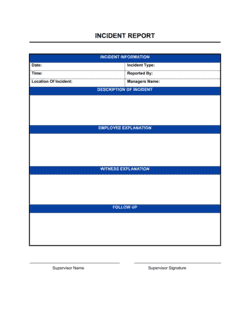
An incident report form documents what happened after an injury, near miss, or property damage event β€” recording facts, witnesses, and immediate actions taken. A safety inspection checklist is a proactive tool used before incidents occur to identify and eliminate hazards. Both are part of a complete safety management system, but they serve opposite points in the timeline.

vs Safety Audit Template

A safety audit evaluates the entire safety management system β€” policies, training records, procedures, and culture β€” typically conducted annually and often by an external assessor. A safety inspection checklist focuses on physical conditions in a specific location at a specific time. Audits provide systemic insight; inspections provide operational ground truth.

vs Equipment Maintenance Checklist

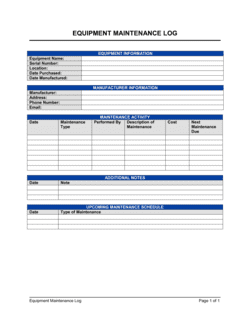
An equipment maintenance checklist tracks scheduled servicing tasks β€” lubrication, part replacement, calibration β€” to keep machinery operational. A safety inspection checklist evaluates whether equipment and its surrounding environment are free from hazards at a given point in time. Maintenance focuses on performance; safety inspection focuses on risk.

vs Risk Assessment Template

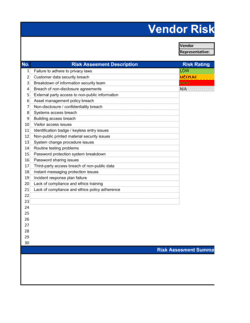
A risk assessment is a planning document that identifies potential hazards, evaluates their likelihood and severity, and defines controls before work begins. A safety inspection checklist verifies that those controls are actually in place and functioning during live operations. Risk assessments inform what to look for; inspection checklists confirm it is there.

Industry-specific considerations

Construction

Daily pre-shift site walkthroughs covering scaffolding integrity, fall protection, equipment condition, and subcontractor compliance with site safety rules.

Manufacturing

Equipment guarding, lockout/tagout compliance, chemical storage, forklift inspection, and production floor housekeeping checked on weekly or shift-by-shift schedules.

Healthcare

Medical equipment condition, biohazard disposal compliance, emergency exit clearance, and infection control standards reviewed alongside Joint Commission or equivalent accreditation requirements.

Retail

Slip-and-fall hazards, loading dock safety, stockroom shelving stability, emergency lighting, and fire exit compliance for high-footfall consumer-facing environments.

Template vs pro β€” what fits your needs?

PathBest forCostTime
Use the templateSmall businesses, office environments, and supervisors conducting routine scheduled inspectionsFree15–30 minutes per inspection
Template + professional reviewMedium-sized operations adding industry-specific hazard categories or integrating with a safety management system$100–$500 (safety consultant review)1–3 days
Custom draftedHigh-hazard industries (chemical plants, heavy construction, mining) or organizations subject to OSHA PSM, NFPA, or equivalent regulatory programs$1,000–$5,000 (certified safety professional)1–3 weeks

Glossary

Hazard
Any condition, substance, or activity with the potential to cause injury, illness, or property damage in the workplace.
Corrective Action
A documented step taken to eliminate or control an identified hazard, including who is responsible and by what date.
PPE (Personal Protective Equipment)
Equipment worn by workers to minimize exposure to hazards β€” such as hard hats, gloves, safety glasses, and high-visibility vests.
Near Miss
An unplanned event that did not result in injury or damage but had the potential to do so under slightly different circumstances.
Risk Rating
A score or category (typically low, medium, or high) assigned to each finding based on the likelihood and severity of potential harm.
OSHA
The US Occupational Safety and Health Administration, the federal agency that sets and enforces workplace safety standards and conducts inspections.
Hierarchy of Controls
A ranked framework for addressing hazards: elimination, substitution, engineering controls, administrative controls, and PPE β€” in descending order of effectiveness.
Inspector
The qualified person conducting the safety inspection and responsible for accurately recording findings and signing the completed checklist.
Frequency
How often a safety inspection is conducted β€” daily, weekly, monthly, or annually β€” typically set by regulation, industry standard, or internal policy.
Audit Trail
A chronological record of completed inspection checklists showing that safety checks were performed, findings were recorded, and corrective actions were taken.

Part of your Business Operating System

This document is one of 3,000+ business & legal templates included in Business in a Box.

  • Fill-in-the-blanks β€” ready in minutes
  • 100% customizable Word document
  • Compatible with all office suites
  • Export to PDF and share electronically

Create your document in 3 simple steps.

From template to signed document β€” all inside one Business Operating System.
1
Download or open template

Access over 3,000+ business and legal templates for any business task, project or initiative.

2
Edit and fill in the blanks with AI

Customize your ready-made business document template and save it in the cloud.

3
Save, Share, Send, Sign

Share your files and folders with your team. Create a space of seamless collaboration.

Save time, save money, and create top-quality documents.

β˜…β˜…β˜…β˜…β˜…

"Fantastic value! I'm not sure how I'd do without it. It's worth its weight in gold and paid back for itself many times."

Managing Director Β· Mall Farm
Robert Whalley
Managing Director, Mall Farm Proprietary Limited
β˜…β˜…β˜…β˜…β˜…

"I have been using Business in a Box for years. It has been the most useful source of templates I have encountered. I recommend it to anyone."

Business Owner Β· 4+ years
Dr Michael John Freestone
Business Owner
β˜…β˜…β˜…β˜…β˜…

"It has been a life saver so many times I have lost count. Business in a Box has saved me so much time and as you know, time is money."

Owner Β· Upstate Web
David G. Moore Jr.
Owner, Upstate Web

Run your business with a system β€” not scattered tools

Stop downloading documents. Start operating with clarity. Business in a Box gives you the Business Operating System used by over 250,000 companies worldwide to structure, run, and grow their business.

Free Forever PlanΒ Β·Β No credit card required