1
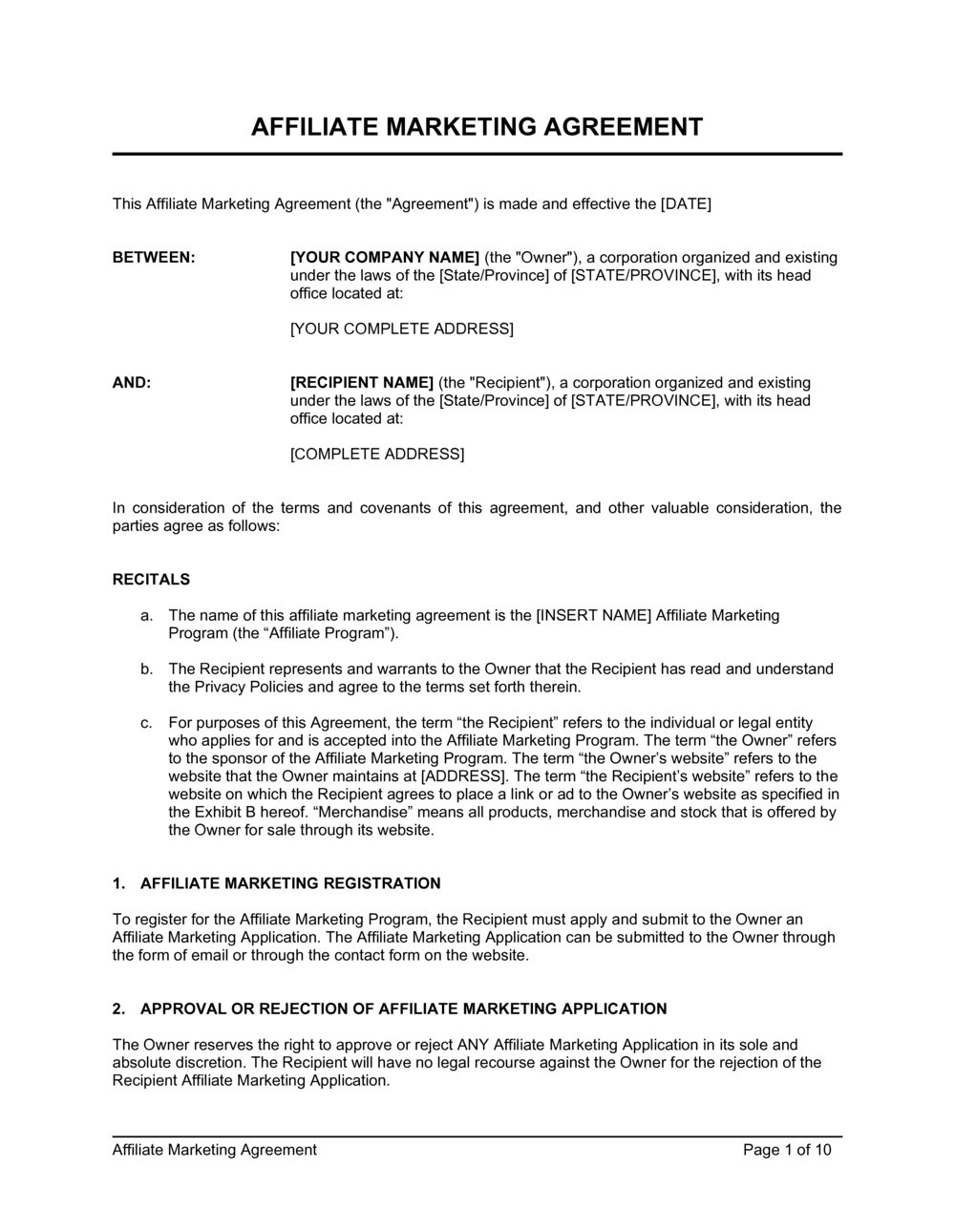
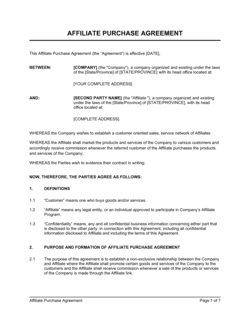
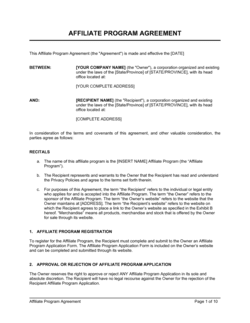
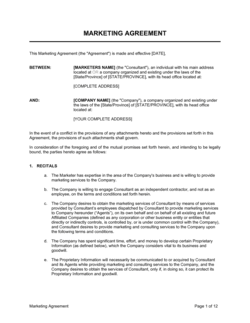
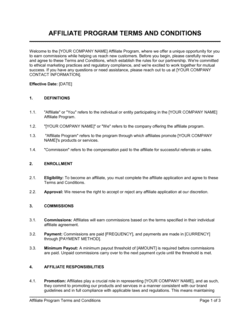
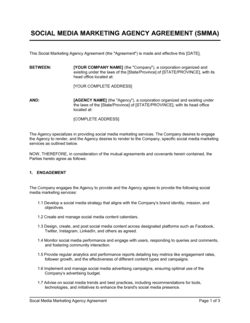
Enter the parties' legal names and program details
Replace the placeholder fields with the merchant's full registered legal entity name and the affiliate's legal name or business name. Add the name of the affiliate program, the product or service category being promoted, and the agreement date.
💡 Cross-check the merchant entity name against your business registration — using a trade name instead of the legal entity can create enforcement gaps.
2
Define the commission structure precisely
Choose between percentage-of-sale, flat fee per lead, or a tiered model. State whether commission applies to net or gross sale price, which deductions apply, and whether recurring subscriptions earn ongoing or one-time commissions.
💡 If you offer tiered rates (e.g., 8% for fewer than 50 sales/month, 12% above that), document each tier threshold and the date from which the new rate applies.
3
Specify the tracking technology and cookie duration
Name the affiliate platform or tracking software you use, state the cookie duration in days, and identify your attribution model. If you use server-side tracking as a fallback, note it here.
💡 30-day cookie duration is the most common standard; shorter durations disadvantage affiliates in high-consideration categories like software or financial products where purchase cycles are long.
4
List approved channels and prohibited tactics
Write out every channel the affiliate is permitted to use — blog, email, social media, comparison sites, paid social — and explicitly prohibit brand-keyword PPC bidding, cookie stuffing, spam, and any misleading claims.
💡 Add your brand's exact trademarked terms to the PPC exclusion list — including common misspellings — so the prohibition is unambiguous.
5
Set the payment schedule and minimum threshold
Choose a payment cadence (monthly is standard), name the payment method, set the minimum payout threshold, and describe the rollover rule for sub-threshold balances.
💡 State explicitly whether commissions are held for a chargeback window (typically 30–45 days after the underlying sale) before being paid — this prevents disputes when refunds arrive after commission is already issued.
6
Attach or reference the approved creative assets
List the approved logos, banners, and copy the affiliate may use, or reference a creative brief attached as Schedule A. Include the license scope and any brand guideline requirements.
💡 Version-control your creative assets — attach the specific asset set in effect at signing and include a process for updating them during the term.
7
Confirm the compliance and disclosure requirements
Ensure the FTC disclosure obligation is clearly stated for US-based affiliates, add GDPR or CASL requirements for EU or Canadian audiences, and include a warranty that the affiliate's email list is fully opted-in.
💡 Provide affiliates with a sample disclosure line — e.g., 'This post contains affiliate links. I earn a commission if you make a purchase' — to reduce the risk of non-compliant promotions.
8
Sign before the affiliate publishes any promotional content
Both parties must execute the agreement before any links go live or any promotional material is published. Collect signatures via eSign or in wet ink, and store the fully executed copy securely.
💡 In the US, courts have occasionally recognized click-wrap affiliate program terms as binding — but a signed bilateral agreement is far stronger evidence of specific commission terms than a program ToS acceptance.