- Lump Sum Contract
- A fixed-price arrangement where the contractor agrees to complete the defined scope for one total amount, absorbing cost overruns and retaining any savings.
- Cost-Plus Contract
- A pricing structure where the owner reimburses the contractor's actual costs — labor, materials, subcontractors — plus an agreed fee or percentage markup.
- Guaranteed Maximum Price (GMP)
- A cost-plus arrangement with a contractual ceiling on total project cost; the contractor bears overruns above the GMP unless caused by owner-directed changes.
- Change Order
- A written amendment to the original contract authorizing a change in scope, schedule, or price — both parties must sign before changed work begins.
- Substantial Completion
- The stage at which the work is sufficiently complete that the owner can use or occupy the project for its intended purpose, even if minor punch-list items remain.
- Retainage
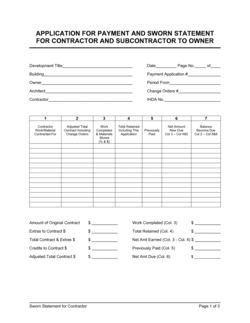
- A percentage of each progress payment — typically 5–10% — withheld by the owner until substantial completion to ensure the contractor finishes all punch-list items.
- Mechanics Lien
- A legal claim a contractor, subcontractor, or supplier can file against a property to secure payment for work performed or materials supplied.
- Payment Bond
- A surety instrument guaranteeing that the contractor will pay its subcontractors and suppliers, protecting the owner from lien exposure on the property.
- Performance Bond
- A surety instrument guaranteeing that the contractor will complete the project per the contract terms; the surety steps in or pays damages if the contractor defaults.
- Punch List
- A documented list of incomplete or defective items the contractor must correct before final payment is released.
- Indemnification Clause
- A provision requiring one party to compensate the other for specified losses, claims, or damages — commonly requiring the contractor to indemnify the owner for jobsite injuries.
- Liquidated Damages
- A pre-agreed daily or weekly dollar amount the contractor owes the owner for each day the project exceeds the contracted completion date, substituting for hard-to-prove actual damages.