1
Define your shop model and location
Decide upfront whether you are opening a plant-on-premises shop or a drop store. Enter your legal entity name, address, and trade area radius. This choice drives equipment costs, staffing, and your entire financial model.
💡 Drop stores require 60–70% less startup capital than POP shops but carry lower margins and dependency on a third-party plant — model both scenarios before committing.
2
Research your local trade area and competitors
Drive or walk a 2-mile radius around your location. Record every competing dry cleaner, their pricing for a 2-piece suit and dress shirt, and their turnaround time. Pull U.S. Census data on household income and daytime worker population for your zip code.
💡 Google Maps reviews for local competitors reveal service gaps — slow turnaround and lost garments are the most common complaints and your easiest differentiation points.
3
Build your services menu and set prices
List every service you will offer with individual unit prices. Calculate the minimum price per piece by dividing your projected monthly fixed costs plus variable costs per piece by projected monthly piece count.
💡 Price the dress shirt launder service competitively — it is the highest-frequency transaction and the primary driver of customer loyalty and repeat visits.
4
Document your environmental compliance plan
Identify which solvent you will use and list every permit, inspection, and waste disposal contract required in your state. Add estimated permit fees and ongoing disposal costs to your financial model.
💡 Contact your state environmental agency before signing a lease — some locations are ineligible for perc use due to proximity to residential buildings or groundwater zones.
5
Detail your equipment list and capacity
List every major equipment item with model, purchase or lease cost, capacity in pounds per cycle, and throughput in pieces per hour. Confirm that total daily capacity meets or exceeds your Year 1 projected piece count at peak volume.
💡 Lease rather than purchase equipment in Year 1 if capital is constrained — leasing converts a large capex item to a predictable monthly operating expense and preserves working capital.
6
Complete the staffing plan with fully loaded labor costs
List every role, hourly rate, weekly hours, and add 18–22% for payroll taxes and workers' compensation. Include owner compensation as a line item even if you plan to defer it — the model must be viable with realistic labor costs.
💡 Plan for one additional part-time employee from Month 3 onward — nearly every new dry cleaner underestimates the counter labor needed once volume picks up.
7
Build the financial model from piece count up
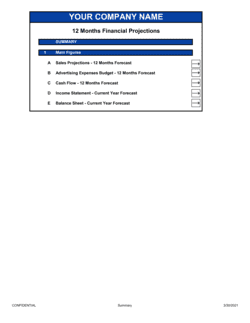
Start with a conservative daily piece count estimate for each month of Year 1, multiply by your average ticket value to get revenue, then subtract variable costs and fixed overhead to arrive at net income. Run the same model at 70% of projected piece count to stress-test cash flow.
💡 Most dry cleaning shops reach break-even between Month 6 and Month 12 — ensure your working capital reserve covers at least 6 months of negative cash flow in the base case.
8
Write the executive summary last
Once all sections are complete, compress the key facts into 1–2 pages: concept, location, market opportunity, competitive edge, funding ask, and Year 1–3 revenue targets.
💡 A lender's first read is the executive summary and the financial projections — if those two sections are internally consistent and credible, they will read the rest.