Letter Enclosing Proposal_Short Template

Free Word download β€’ Edit online β€’ Save & share with Drive β€’ Export to PDF

1 pageβ€’15–25 min to fillβ€’Difficulty: Standard
Learn more ↓
FreeLetter Enclosing Proposal_Short Template

At a glance

What it is
A Letter Enclosing Proposal (Short) is a concise formal cover letter submitted alongside a business proposal to introduce it, identify the sender, and direct the recipient to the next step. This free Word download gives you a ready-to-edit one-page letter you can customize with your company details and send immediately as a PDF or printed document.
When you need it
Use it any time you submit a proposal β€” for a service contract, project bid, partnership offer, or vendor engagement β€” and need a brief professional note to accompany the document. It is especially useful when the recipient has not specifically requested a full cover letter.
What's inside
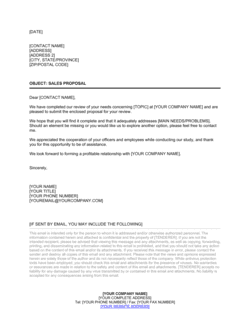
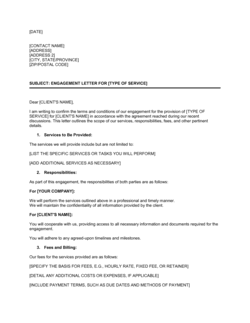
Sender and recipient contact blocks, a date line, a formal salutation, a short introductory paragraph identifying the enclosed proposal, a brief summary of the proposal's purpose and value, a call to action with contact details, and a professional close with signature block.

What is a Letter Enclosing Proposal (Short)?

A Letter Enclosing Proposal (Short) is a concise, one-page formal cover letter submitted alongside a business proposal to introduce the document, identify the sending party, and direct the recipient toward the next step. It typically contains three short paragraphs: one naming the enclosed proposal and referencing any prior contact, one summarizing the proposal's purpose and primary value, and one inviting the recipient to respond with a specific call to action. While it is not the proposal itself, it is the first thing the recipient reads β€” and it sets the tone for how the proposal will be received.

Why You Need This Document

Submitting a proposal without a cover letter leaves the recipient without context: they may not immediately know who sent it, why they are receiving it, or what action to take next. A short enclosure letter answers all three questions in under a minute of reading, increasing the likelihood that the proposal is opened, routed to the right decision-maker, and reviewed promptly. In competitive bid situations, a polished cover letter signals professionalism before the recipient has evaluated a single line of your proposal. This template gives you a properly structured, immediately editable starting point so your next proposal submission goes out looking complete and considered β€” not assembled in haste.

Which variant fits your situation?

If your situation is…Use this template
Submitting a detailed multi-page proposal requiring a full introductionLetter Enclosing Proposal (Long)
Responding to a formal RFP with a structured submissionRequest for Proposal Response Letter
Introducing a business partnership offerBusiness Partnership Proposal Letter
Following up after a proposal has been sent with no responseFollow-Up Letter After Proposal Submission
Enclosing a quotation rather than a full proposal documentLetter Enclosing Quotation
Transmitting a contract for review and signatureLetter Enclosing Contract for Signature

Common mistakes to avoid

❌ Using 'To Whom It May Concern' when the recipient is known

Why it matters: A generic salutation signals that the letter was not written for this recipient specifically, which weakens the proposal's impact before the reader even opens the document.

Fix: Research the correct name and title of the decision-maker before writing. If genuinely unknown, address by department β€” 'Dear Procurement Team:' β€” rather than using the generic phrase.
❌ Summarizing the entire proposal in the cover letter

Why it matters: An overly detailed cover letter duplicates the proposal and gives the recipient a reason not to read the full document, reducing engagement with your pricing and methodology.

Fix: Limit the summary paragraph to two to four sentences that name the challenge, describe the approach at the highest level, and state the primary benefit β€” nothing more.

❌ Omitting the enclosure notation

Why it matters: Without a clear enclosure line, the letter and proposal can become separated in email threads, shared drives, or physical mail, causing the recipient to respond without the full submission.

Fix: Always include 'Encl: [Proposal Name] β€” [Date]' at the bottom of the letter as a standard step before sending.

❌ Sending the letter without a specific call to action or contact details

Why it matters: A letter that ends with no clear next step and no direct contact information puts the entire follow-up burden on the recipient and significantly reduces response rates.

Fix: Include one specific proposed action β€” a call, meeting, or review deadline β€” and your direct phone and email in every cover letter you send.

The 9 key clauses, explained

Sender and recipient contact blocks

In plain language: The sender's name, title, company, address, phone, and email appear at the top; the recipient's name, title, company, and address follow below the date.

Sample language
[SENDER NAME] | [TITLE] | [COMPANY NAME] | [ADDRESS] | [PHONE] | [EMAIL] [DATE] [RECIPIENT NAME] | [TITLE] | [COMPANY NAME] | [ADDRESS]

Common mistake: Using a nickname or informal email alias instead of the sender's full legal name and professional contact details, which can undermine credibility with a new prospect.

Date line

In plain language: States the date the letter is written and sent, establishing a clear timeline for the proposal submission.

Sample language
May 2, 2026

Common mistake: Leaving the date as a placeholder and forgetting to update it before sending β€” a dated proposal letter with a blank or wrong date looks careless to the recipient.

Reference line

In plain language: An optional subject line immediately below the salutation that identifies the proposal by name or project reference, helping the recipient file and retrieve the letter easily.

Sample language
Re: Proposal for [PROJECT / SERVICE NAME] β€” Submitted [DATE]

Common mistake: Omitting the reference line entirely when submitting to a large organization, where the letter may pass through multiple departments before reaching the decision-maker.

Salutation

In plain language: The formal greeting that addresses the recipient by name and establishes a professional tone from the first line.

Sample language
Dear [RECIPIENT FIRST AND LAST NAME]:

Common mistake: Using 'To Whom It May Concern' when the recipient's name is known β€” this signals that the letter is generic and not tailored to the specific reader.

Opening paragraph β€” identification of the enclosure

In plain language: The first paragraph states plainly that a proposal is enclosed, names the proposal, and briefly recalls any prior contact or request that prompted it.

Sample language
Please find enclosed our proposal for [PROJECT / SERVICE DESCRIPTION], prepared in response to our conversation on [DATE] / your request of [DATE].

Common mistake: Opening with a vague statement like 'We are pleased to submit the following' without naming the proposal or referencing the context, leaving the recipient unclear about what they are reading.

Summary paragraph β€” purpose and value

In plain language: A short paragraph β€” two to four sentences β€” that summarizes what the proposal covers and highlights the primary benefit or solution being offered.

Sample language
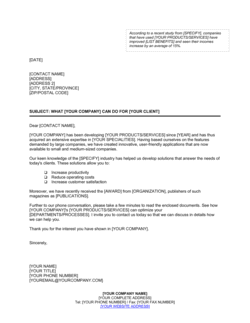
The enclosed proposal outlines our approach to [OBJECTIVE], including a detailed scope of work, timeline, and pricing. Our solution addresses [KEY CHALLENGE] by [BRIEF DESCRIPTION OF APPROACH], and we believe it offers strong value for [COMPANY NAME].

Common mistake: Repeating the entire proposal in the letter body, which defeats the purpose of a short enclosure letter and discourages the reader from opening the proposal itself.

Call to action

In plain language: Invites the recipient to take a specific next step β€” reviewing the proposal, scheduling a call, or contacting the sender with questions β€” and provides direct contact details.

Sample language
I welcome the opportunity to discuss this proposal at your convenience. Please feel free to contact me directly at [PHONE] or [EMAIL] to arrange a time.

Common mistake: Ending with a passive statement like 'We look forward to your response' with no contact details, which puts the burden entirely on the recipient to find a way to respond.

Complimentary close and signature block

In plain language: The sign-off phrase, sender's handwritten signature space (for print), and typed name, title, and company below.

Sample language
Sincerely, [HANDWRITTEN SIGNATURE] [SENDER FULL NAME] [TITLE] [COMPANY NAME]

Common mistake: Using an informal close like 'Thanks' or 'Cheers' in a first-contact formal proposal letter, which can reduce the perceived professionalism of the submission.

Enclosure notation

In plain language: A brief line at the bottom of the letter β€” 'Encl:' followed by the document name β€” confirming exactly what is enclosed with the letter.

Sample language
Encl: [PROJECT / SERVICE NAME] Proposal β€” [DATE]

Common mistake: Omitting the enclosure notation, which can cause confusion if the letter and proposal become separated in a large email thread, filing system, or postal package.

How to fill it out

  1. 1

    Enter your sender details

    Add your full name, title, company name, mailing address, phone number, and professional email to the sender block at the top of the template.

    πŸ’‘ Use the same contact details that appear on your proposal document to maintain consistency across the submission package.

  2. 2

    Add the recipient's full contact information

    Enter the recipient's name, title, company, and mailing or email address. Confirm the correct spelling of their name and their current title before sending.

    πŸ’‘ Call the company's main line to confirm the decision-maker's name and direct email if you are not certain β€” a misspelled name on a proposal letter is a poor first impression.

  3. 3

    Insert today's date

    Enter the date you are actually sending the letter, not the date you started drafting it. For emailed submissions, use the day the email is sent.

    πŸ’‘ If you draft the letter in advance, set a calendar reminder to update the date on the day of submission.

  4. 4

    Complete the reference line with the proposal name

    Fill in the project or service name and the submission date in the reference line. If the recipient issued an RFP number, include it here.

    πŸ’‘ Match the proposal title in the reference line exactly to the title on the proposal document cover page.

  5. 5

    Write the opening paragraph

    State that a proposal is enclosed, name it, and reference any prior meeting, call, or written request that prompted the submission. Keep this to two sentences.

    πŸ’‘ Mentioning a specific prior interaction β€” 'following our call on April 28' β€” immediately signals that this is a tailored submission, not a mass mailing.

  6. 6

    Complete the summary paragraph and call to action

    Summarize the proposal in two to three sentences, highlight the primary benefit, and invite the recipient to reach out with a specific next step and your direct contact details.

    πŸ’‘ Propose a concrete next step β€” 'I am available for a 30-minute call any time next week' β€” rather than a vague invitation to respond.

  7. 7

    Add the enclosure notation and proofread

    Enter the proposal name in the enclosure notation at the bottom. Read the entire letter aloud once to catch any awkward phrasing or errors before attaching or printing.

    πŸ’‘ A one-page letter with a single typographical error will be noticed immediately β€” proofreading takes two minutes and protects your credibility.

Frequently asked questions

What is a letter enclosing a proposal?

A letter enclosing a proposal is a short formal cover letter submitted alongside a business proposal document. It introduces the sender, identifies the enclosed proposal by name, briefly summarizes its purpose, and directs the recipient to a next step. It functions as a professional handshake before the recipient opens the proposal itself.

Do I always need a cover letter when submitting a proposal?

Not always, but a cover letter is strongly recommended for any formal or first-contact proposal submission. It signals professionalism, provides essential context, and gives the recipient a direct point of contact. For informal submissions to existing clients, a brief email introduction may suffice β€” but a formal letter adds credibility in competitive bid situations.

What is the difference between a short and a long proposal cover letter?

A short cover letter β€” typically one page β€” introduces the proposal and highlights the primary benefit in two to four sentences. A long cover letter may run one to two pages and includes a more detailed summary of the proposal's key sections, relevant credentials, or a response to specific evaluation criteria. Use the short format when the proposal is self-explanatory or the relationship is established; use the long format for complex RFP responses or new high-stakes prospects.

How long should a letter enclosing a proposal be?

One page is the standard for a short proposal enclosure letter. The body should contain no more than three short paragraphs β€” an identification opening, a brief summary, and a call to action. A letter longer than one page for a short-format submission signals that the sender has not edited carefully.

Should the cover letter be signed?

A handwritten signature is expected on printed formal proposals. For emailed submissions, a scanned signature or a professional typed sign-off block is acceptable. Always include the sender's typed name, title, and company name below the signature space, regardless of format.

What tone should a proposal cover letter use?

Formal but direct. Avoid overly stiff language that sounds templated, but do not use casual phrasing in a first-contact proposal to a corporate client. The goal is to sound like a capable professional who respects the recipient's time β€” clear, specific, and brief.

Can I use this template for an email proposal submission?

Yes. For emailed proposals, you can either paste the body of the letter directly into the email body or attach it as a PDF alongside the proposal. Attaching it as a separate document is preferable when the proposal will be forwarded internally, as the cover letter remains with the proposal rather than in the email thread.

What is an enclosure notation and why does it matter?

An enclosure notation β€” typically 'Encl: [Document Name]' at the bottom of the letter β€” explicitly lists the documents included with the letter. It matters because proposals frequently pass through multiple hands or filing systems; the notation ensures the recipient knows exactly what they should have received and makes it easy to flag if anything is missing.

How this compares to alternatives

vs Letter Enclosing Proposal (Long)

The long version runs one to two pages and includes a detailed section-by-section summary of the proposal, relevant credentials, and responses to specific evaluation criteria. Use the short version when the proposal is straightforward and the relationship is established; use the long version for competitive RFPs or high-stakes first-contact bids where a more complete introduction strengthens the submission.

vs Business Proposal

A business proposal is the full document β€” scope, methodology, timeline, team, and pricing. The letter enclosing a proposal is only the one-page cover note that introduces it. The letter goes first; the proposal is the enclosure. You need both for a complete formal submission.

vs Sales Letter

A sales letter is a standalone persuasion document designed to generate interest or a direct response β€” it is not paired with a separate proposal. A proposal cover letter assumes the reader will immediately review a detailed enclosed document. Use a sales letter to initiate a conversation; use a proposal cover letter once you are ready to submit a formal offer.

vs Letter of Intent

A letter of intent signals one party's intent to enter into a deal or agreement and often carries preliminary binding weight on specific terms. A letter enclosing a proposal is non-binding and simply transmits an offer document for the recipient's review. A letter of intent typically follows a proposal, not the other way around.

Industry-specific considerations

Professional services

Consultants and advisory firms use this letter to submit service proposals to corporate clients, often referencing a prior discovery call or scoping meeting in the opening paragraph.

Construction and engineering

Contractors and engineers use it to transmit project bids and technical proposals to owners, developers, or public procurement offices, including a reference to tender or RFP numbers.

Technology and SaaS

Sales teams use it to submit software implementation or licensing proposals, often pairing it with a detailed statement of work and pricing schedule as separate enclosures.

Marketing and creative agencies

Agencies use it to accompany campaign or retainer proposals, where the cover letter highlights the specific client objective addressed before the recipient reviews the full creative brief.

Template vs pro β€” what fits your needs?

PathBest forCostTime
Use the templateFreelancers, small businesses, and sales teams submitting standard service or project proposalsFree10–15 minutes per letter
Template + professional reviewHigh-value proposals to new enterprise clients where tone and precision matter$50–$150 (copywriter or senior colleague review)1–2 hours
Custom draftedComplex multi-party RFP responses or government tender submissions with specific formatting requirements$200–$500 (professional bid writer)1–3 days

Glossary

Cover Letter
A short formal letter that introduces an enclosed or attached document and provides context for the recipient before they read the main document.
Transmittal Letter
A formal note that accompanies a document being sent from one party to another, confirming what is enclosed and why it is being sent.
Proposal
A document in which one party outlines a plan, service offering, or solution and invites the recipient to accept or engage.
Enclosure Notation
A line at the bottom of a business letter β€” typically 'Encl:' or 'Enc:' β€” that lists the documents included with the letter.
Salutation
The formal greeting at the opening of a business letter, typically 'Dear [Name]:' using a colon in formal correspondence.
Call to Action
A sentence or short paragraph directing the recipient to take a specific next step, such as scheduling a meeting or contacting the sender with questions.
Complimentary Close
The sign-off phrase before the signature, such as 'Sincerely,' 'Respectfully,' or 'Best regards,' followed by a comma.
Reference Line
An optional line below the date or salutation that identifies the subject matter of the letter β€” e.g., 'Re: Proposal for Marketing Services, April 2026.'

Part of your Business Operating System

This document is one of 3,000+ business & legal templates included in Business in a Box.

  • Fill-in-the-blanks β€” ready in minutes
  • 100% customizable Word document
  • Compatible with all office suites
  • Export to PDF and share electronically

Create your document in 3 simple steps.

From template to signed document β€” all inside one Business Operating System.
1
Download or open template

Access over 3,000+ business and legal templates for any business task, project or initiative.

2
Edit and fill in the blanks with AI

Customize your ready-made business document template and save it in the cloud.

3
Save, Share, Send, Sign

Share your files and folders with your team. Create a space of seamless collaboration.

Save time, save money, and create top-quality documents.

β˜…β˜…β˜…β˜…β˜…

"Fantastic value! I'm not sure how I'd do without it. It's worth its weight in gold and paid back for itself many times."

Managing Director Β· Mall Farm
Robert Whalley
Managing Director, Mall Farm Proprietary Limited
β˜…β˜…β˜…β˜…β˜…

"I have been using Business in a Box for years. It has been the most useful source of templates I have encountered. I recommend it to anyone."

Business Owner Β· 4+ years
Dr Michael John Freestone
Business Owner
β˜…β˜…β˜…β˜…β˜…

"It has been a life saver so many times I have lost count. Business in a Box has saved me so much time and as you know, time is money."

Owner Β· Upstate Web
David G. Moore Jr.
Owner, Upstate Web

Run your business with a system β€” not scattered tools

Stop downloading documents. Start operating with clarity. Business in a Box gives you the Business Operating System used by over 250,000 companies worldwide to structure, run, and grow their business.

Free Forever PlanΒ Β·Β No credit card required