- Intellectual Property (IP)
- Creations of the mind — inventions, brand identifiers, creative works, and confidential business information — that can be owned and protected by law.
- Patent
- A government-granted exclusive right to make, use, or sell an invention for a set period, typically 20 years from the filing date.
- Trademark
- A word, logo, or symbol that identifies the source of goods or services and distinguishes them from competitors.
- Trade Secret
- Confidential business information — formulas, processes, or customer data — that gives a competitive advantage and is actively kept secret.
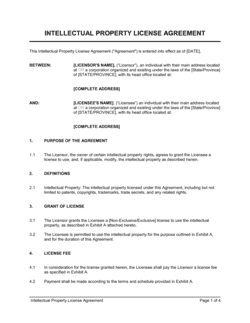
- IP Licensing
- A contractual arrangement in which the IP owner grants another party permission to use specified IP in exchange for fees or royalties.
- Freedom to Operate (FTO)
- An analysis confirming that a product or process can be commercialized without infringing third-party patents or IP rights.
- IP Monetization
- Generating revenue from IP assets through licensing, assignment, litigation settlements, or joint ventures rather than — or in addition to — direct product sales.
- Prior Art
- Any existing publication, patent, or public disclosure that predates a patent application and may prevent a claim from being granted.
- IP Portfolio
- The complete collection of IP assets owned or controlled by a company, including patents, trademarks, copyrights, and trade secrets.
- Royalty Rate
- The percentage of net sales or a fixed fee per unit that a licensee pays to the IP owner for the right to use protected IP.
- IP Audit
- A systematic review of a company's IP assets to identify what is owned, what is protected, what is valuable, and what gaps exist in the portfolio.