- Assignor
- The party transferring ownership of the accounts receivable — typically the business that originally issued the invoices.
- Assignee
- The party receiving ownership of the accounts receivable — typically a lender, factor, or purchasing entity.
- Accounts Receivable
- Amounts owed to a business by its customers or clients for goods delivered or services rendered but not yet paid.
- Absolute Transfer
- A complete and irrevocable conveyance of ownership from assignor to assignee, as opposed to a pledge or security interest that can be reversed on repayment.
- Obligor
- The third-party debtor — the customer or client who owes the underlying invoice amount — who must be notified of the assignment and directed to pay the assignee.
- Recourse
- A right allowing the assignee to demand repayment from the assignor if the obligor fails to pay the assigned receivable within a defined period.
- Non-Recourse
- A structure in which the assignee bears the full credit risk of non-payment by the obligor; the assignor has no obligation to make the assignee whole on bad debts.
- Discount Rate
- The percentage deducted from the face value of the receivables, representing the assignee's fee or cost of funds — e.g., purchasing $100,000 face value for $93,000 reflects a 7% discount.
- UCC Financing Statement (UCC-1)
- A public filing in the US under the Uniform Commercial Code that perfects the assignee's ownership interest in transferred receivables against third-party claims.
- Perfection
- The legal process of making an ownership or security interest enforceable against third parties — in the US, typically achieved by filing a UCC-1; in Canada, by registering under the applicable PPSA.
- Representations and Warranties
- Factual statements made by the assignor at the time of signing confirming that the receivables are valid, undisputed, and free of prior encumbrances.
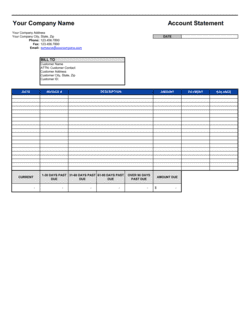
- Schedule of Receivables
- An attached exhibit listing every invoice being transferred, including obligor name, invoice number, invoice date, due date, and outstanding balance.