- Secured Debt
- A debt backed by collateral — such as a mortgage or equipment loan — where the lender can seize the asset if payment stops.
- Unsecured Debt
- A debt with no collateral behind it, such as a credit card balance or trade payable, where the creditor has no automatic right to seize property.
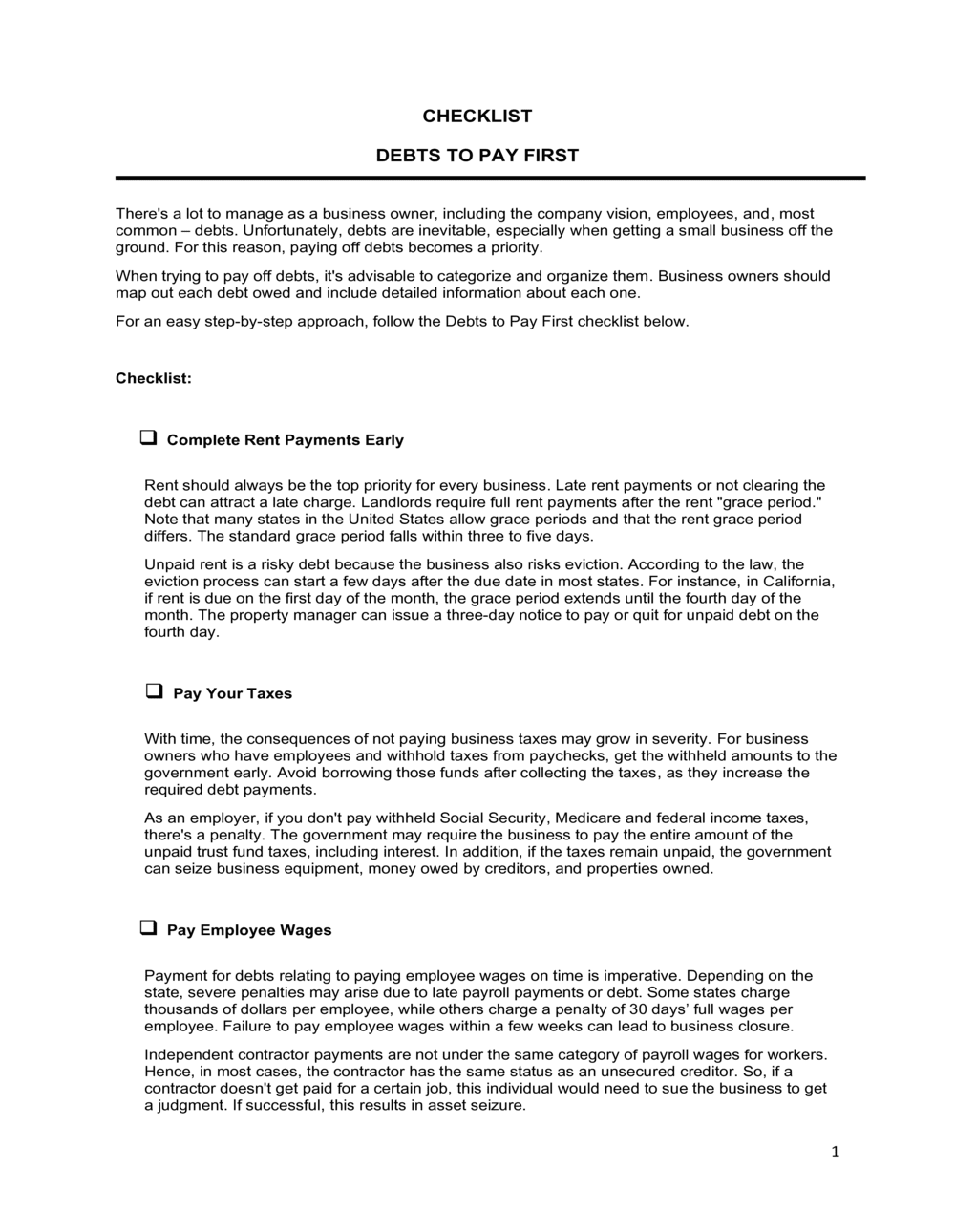
- Priority Debt
- An obligation whose non-payment triggers consequences severe enough — loss of premises, utility shutoff, tax penalties — to threaten business continuity.
- Minimum Payment
- The smallest amount a creditor will accept in a given period to keep the account in good standing and avoid a default notice.
- APR (Annual Percentage Rate)
- The yearly cost of borrowing expressed as a percentage, including interest and fees — the primary measure for comparing the carrying cost of different debts.
- Default
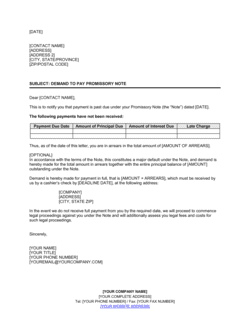
- Failing to meet a payment obligation on time, which can trigger penalty rates, acceleration clauses, collection action, or asset seizure.
- Acceleration Clause
- A loan provision that makes the entire outstanding balance immediately due if a payment is missed or another breach occurs.
- Trade Payable
- An amount owed to a supplier for goods or services already received, typically due within 30–90 days of the invoice date.
- Cash Flow Crunch
- A period when cash outflows exceed available cash inflows, making it impossible to pay all obligations on time without prioritization.
- Statutory Obligation
- A payment required by law — such as payroll taxes, sales tax remittances, or employee wages — where non-payment carries government penalties or personal liability.