1
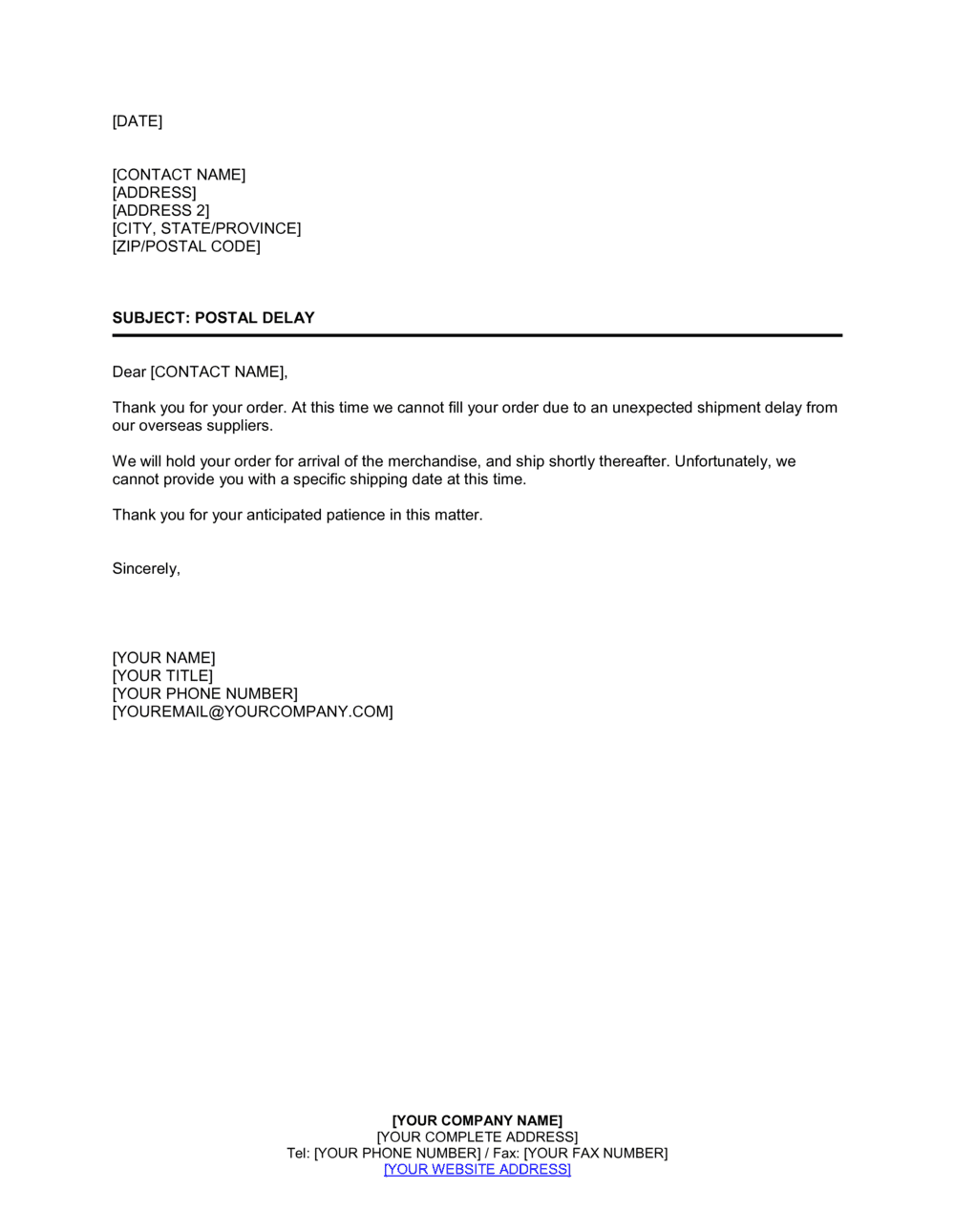
Enter sender and recipient details
Fill in your full name, title, organization, and address in the sender block. Enter the recipient's full name, title, and organization in the recipient block. Use the legal or registered entity name, not an informal trade name.
💡 Match the recipient's name and title exactly as it appears on the original correspondence to avoid any confusion about who the acknowledgment is directed to.
2
Complete the reference line
Enter the type of original document, its reference or file number, and the date it was originally sent. If the original document had no reference number, use the postmark date and document type as identifiers.
💡 A precise reference line allows both parties to file the acknowledgment letter alongside the original correspondence instantly — saving time during any later dispute or audit.
3
State the actual date of receipt
In the opening acknowledgment paragraph, enter the exact date your organization received the correspondence. Cross-reference your mail log or delivery record to confirm this date.
💡 Keep the original envelope with the postmark as supporting documentation whenever the delay may affect a legal or contractual deadline.
4
Quantify the delay and its cause
Calculate the number of days between the expected delivery date and the actual receipt date. State that the delay was attributable to postal transit without speculating about the specific cause unless you have a carrier confirmation.
💡 If the postal service has issued a service disruption notice covering the relevant period, attach or reference it to substantiate the delay objectively.
5
Address any deadline or obligation impact
If the delay affects a response period, payment deadline, or contractual obligation, state the original deadline, note that the delay caused you to miss or approach it, and commit to a specific revised date.
💡 Contact the other party by phone or email before sending this letter if a hard contractual deadline has been missed — the written acknowledgment documents the situation but should not be the first notice the other party receives.
6
Add the reservation of rights clause if needed
Include the without-prejudice reservation clause only if the delay has materially affected a legal right or contractual obligation that may be disputed. Omit it for routine, low-stakes acknowledgments.
💡 When in doubt about whether this clause is necessary, consult a brief legal review — adding it unnecessarily can signal distrust and damage a business relationship.
7
Close with a goodwill statement and sign
Add a brief sentence acknowledging any inconvenience and expressing your commitment to resolving the matter promptly. Close with your full name, title, and direct contact information.
💡 Send the letter within one business day of identifying the delay — prompt acknowledgment demonstrates professionalism and limits any further relationship damage.