Positive Answer to Proposal Template

Free Word download β€’ Edit online β€’ Save & share with Drive β€’ Export to PDF

1 pageβ€’20–25 min to fillβ€’Difficulty: Standard
Learn more ↓
FreePositive Answer to Proposal Template

At a glance

What it is
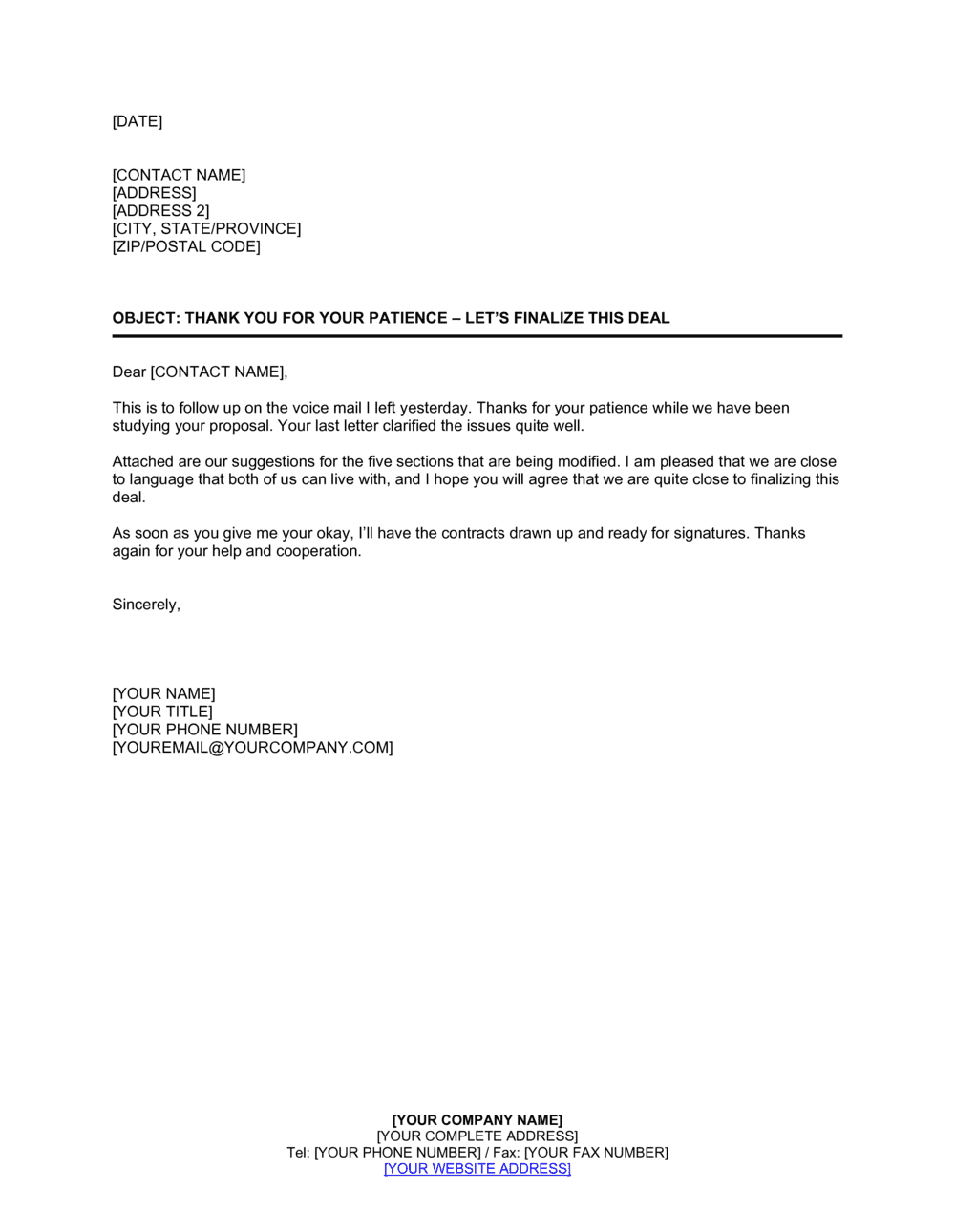
A Positive Answer to Proposal is a formal business letter used to accept a submitted proposal from a vendor, partner, contractor, or service provider. This free Word download gives you a structured template you can edit online and export as PDF β€” covering your acceptance, the key conditions, and the agreed next steps in a single professional document.
When you need it
Use it when you have reviewed a business proposal and are ready to formally confirm your acceptance. It is appropriate for vendor bids, service agreements, partnership proposals, project scopes, and supplier quotations where a written acceptance record is needed before a formal contract is signed.
What's inside
Sender and recipient identification, a clear statement of acceptance, reference to the specific proposal being accepted, any conditions or qualifications attached to the acceptance, confirmed next steps or timelines, and a professional closing with contact details.

What is a Positive Answer to Proposal?

A Positive Answer to Proposal is a formal written letter used by one business to officially accept a proposal submitted by a vendor, contractor, partner, or service provider. It identifies the specific proposal being accepted, states the acceptance clearly and without ambiguity, documents any conditions attached to that acceptance, and outlines the next steps both parties need to take before a formal contract is signed. It functions as the documented bridge between the proposal stage and the contracting stage, replacing informal verbal confirmations with a written record that both parties can reference.

Why You Need This Document

Accepting a proposal verbally β€” or with a casual reply email β€” leaves critical details undocumented and creates the conditions for scope disputes, pricing disagreements, and delayed contract execution. Without a formal acceptance letter, there is no written record of which proposal version was accepted, what conditions were agreed, or who is responsible for initiating the next step. Vendors have stalled projects or repriced engagements because an acceptance was never documented in writing. A properly structured acceptance letter closes the proposal stage cleanly, confirms the terms that will form the basis of the formal contract, and gives both parties a shared reference point from day one. This template lets you issue a professional, complete acceptance in under 30 minutes β€” without the risk of missing a condition or sending an acceptance that inadvertently binds your organization to terms it did not intend to accept.

Which variant fits your situation?

If your situation is…Use this template
Accepting a vendor bid with no conditions attachedPositive Answer To Proposal (Unconditional)
Accepting a proposal but subject to minor modifications or clarificationsPositive Answer To Proposal (Conditional)
Declining a proposal after reviewNegative Answer To Proposal
Requesting further information before committing to a decisionRequest for Proposal Clarification Letter
Following up after acceptance to formalize the engagementService Agreement
Accepting a partnership or collaboration proposalLetter of Intent
Confirming a supplier selection after a formal RFP processSupplier Selection Letter

Common mistakes to avoid

❌ Accepting without citing the specific proposal

Why it matters: If multiple proposals or revisions were exchanged, vague language like 'your proposal' leaves both parties uncertain about which version was accepted, creating a dispute at the contract stage.

Fix: Always reference the proposal by its exact date, title, and reference number in the opening paragraph of the acceptance letter.

❌ Using soft or tentative language instead of a clear acceptance

Why it matters: Phrases like 'we are interested in moving forward' or 'we look forward to working together' do not constitute a formal acceptance and can be treated as an invitation to negotiate rather than a commitment.

Fix: Use explicit language β€” 'We formally accept the terms of your proposal' β€” so there is no ambiguity about the nature of the response.

❌ Omitting conditions that were discussed verbally

Why it matters: Undocumented conditions are unenforceable. If a verbal agreement was made to adjust pricing or timeline, and it does not appear in the written acceptance, the original proposal terms govern.

Fix: List every condition, modification, or requirement discussed β€” even informally β€” in the conditions section of the acceptance letter before sending.

❌ Failing to define next steps or assign a timeline

Why it matters: An acceptance with no clear next steps stalls the engagement. Both parties assume the other will initiate the contract phase, and weeks pass without progress.

Fix: Include at least two specific next steps with named responsible parties and target dates β€” such as contract execution within 5 business days and a kick-off call within 10.

The 9 key sections, explained

Header and Date

Salutation and Recipient Details

Reference to the Original Proposal

Statement of Acceptance

Conditions and Qualifications

Agreed Scope and Key Terms

Next Steps and Timeline

Point of Contact

Closing and Signature

How to fill it out

  1. 1

    Gather the original proposal details

    Retrieve the proposal document including its submission date, reference number, and the full name of the contact who submitted it. Confirm you are responding to the most recent version if any revisions were exchanged.

    πŸ’‘ Check your email thread for any revised or amended versions before drafting β€” accepting an outdated proposal version is a common and costly mistake.

  2. 2

    Enter sender and recipient information

    Add your company's full legal name, address, and today's date in the header. Then enter the recipient's name, title, and company address exactly as they appear on the proposal submission.

    πŸ’‘ Use the legal entity name of your organization in the header, not a brand name, especially if the acceptance will trigger a contract.

  3. 3

    Reference the proposal by date, title, and reference number

    In the opening paragraph, cite the proposal's exact submission date, its stated title, and its reference or tender number. This anchors the acceptance to a specific document and eliminates ambiguity.

    πŸ’‘ If the proposal did not include a reference number, assign one yourself (e.g., 'received [DATE]') and note it in your records.

  4. 4

    Write a clear, unambiguous statement of acceptance

    Draft one or two sentences that explicitly confirm acceptance of the proposal. Use direct language: 'We formally accept' or 'We are pleased to confirm our acceptance of.' Avoid vague positive language that stops short of a clear commitment.

    πŸ’‘ Have a colleague read the acceptance statement in isolation β€” if they are not 100% certain it is an acceptance, rewrite it.

  5. 5

    List any conditions or modifications

    If your acceptance comes with conditions β€” pricing adjustments, timeline changes, or a requirement to execute a formal contract first β€” list each one clearly and number them. Leave this section blank only if the acceptance is truly unconditional.

    πŸ’‘ Even a single undocumented verbal condition should appear here. It is far easier to add a line now than to litigate a misunderstanding later.

  6. 6

    Summarize the agreed scope and key terms

    Briefly restate the core deliverables, total value, start date, and end date as accepted. Keep this summary consistent with the original proposal β€” do not introduce new terms at this stage.

    πŸ’‘ If there is any discrepancy between the proposal terms and what was verbally agreed, resolve it before issuing the acceptance β€” not after.

  7. 7

    Define next steps with specific dates

    List the two to four actions needed to move from acceptance to a formal agreement or project start. Assign a responsible party and a deadline to each action.

    πŸ’‘ A deadline of 5–7 business days for contract execution prevents the engagement from stalling after the acceptance is issued.

  8. 8

    Have the letter signed by an authorized representative

    Confirm that the person signing the letter has the organizational authority to commit the company to the proposal terms. Add their full name, title, and direct contact details.

    πŸ’‘ For proposals above a certain dollar threshold, check your organization's signing authority policy before issuing β€” many organizations require dual signatures above $50,000.

Frequently asked questions

What is a positive answer to a proposal?

A positive answer to a proposal is a formal written response in which one party officially accepts a proposal submitted by another β€” such as a vendor bid, service offer, or partnership proposal. It confirms that the receiving party has reviewed the proposal and agrees to the terms, either unconditionally or subject to specific conditions. It serves as the written record of acceptance before a formal contract is signed.

When should I send a positive answer to a proposal?

Send it as soon as your internal review or approval process is complete and you are ready to commit. Timely acceptance is important β€” most proposals carry an expiry date, and delays can result in revised pricing or the vendor withdrawing the offer. Ideally, issue the acceptance letter within the response window specified in the proposal, or within 5–10 business days of completing your review.

Does a positive answer to a proposal create a binding contract?

It depends on the language used and the jurisdiction. In many cases, a clear and unconditional written acceptance of a specific proposal can constitute a binding agreement if the proposal itself contained all material terms β€” price, scope, and timeline. To avoid unintended obligations, include a clause stating that the acceptance is subject to execution of a formal written agreement. Consider consulting a lawyer if the value or complexity of the engagement is significant.

What is the difference between a positive answer to a proposal and a letter of intent?

A positive answer to a proposal is a direct acceptance of a specific offer as submitted β€” it confirms you agree to the terms already on the table. A letter of intent (LOI) expresses a party's intention to enter into an agreement but typically indicates that formal terms are still to be negotiated. Use the acceptance letter when you are approving a proposal as-is or with minor conditions; use an LOI when significant negotiation remains.

Should a positive answer to a proposal include conditions?

Yes, whenever the acceptance is not fully unconditional. If you are accepting the general proposal but require a modified delivery date, adjusted pricing, or the execution of a formal contract as a prerequisite, each condition should be listed clearly. A conditional acceptance prevents misunderstandings and ensures the vendor knows exactly what is required before the engagement begins.

Who should sign a positive answer to a proposal?

The letter should be signed by someone with the organizational authority to commit the company to the proposal terms. For lower-value engagements, a department manager or procurement officer is typically sufficient. For high-value contracts, check your organization's signing authority policy β€” many require a director, VP, or C-level signature above a certain threshold. An acceptance signed by an unauthorized individual may be challenged if a dispute arises.

How does a positive answer to a proposal differ from a negative answer?

A positive answer formally accepts the proposal and moves the relationship forward toward a contract or project start. A negative answer declines the proposal, typically with a brief explanation and professional courtesy to preserve the relationship for future opportunities. Both should be issued in writing, but a negative answer does not create any commitment or obligation.

Can I accept a proposal verbally and confirm in writing later?

Verbal acceptances are generally valid but create significant practical risk β€” terms, conditions, and timelines discussed verbally are easily forgotten or misremembered. A written acceptance letter issued promptly after a verbal agreement documents what was discussed, protects both parties, and provides a reference point for the formal contract. Always follow verbal acceptances with a written confirmation as quickly as possible.

What should I do after sending a positive answer to a proposal?

Follow up to confirm the vendor has received and acknowledged the acceptance. Initiate the next steps outlined in the letter β€” typically drafting or requesting a formal service agreement or contract. File a copy of the acceptance letter alongside the original proposal in your records. If a contract is not executed within the timeframe specified, follow up in writing to keep the engagement on track.

How this compares to alternatives

vs Negative Answer To Proposal

A negative answer formally declines a proposal and creates no obligation or commitment. A positive answer formally accepts it and initiates the path to a binding agreement. Both should be issued in writing, but only the positive answer triggers next steps such as contract execution and project scheduling.

vs Letter of Intent

A letter of intent signals willingness to enter into an agreement but typically indicates that key terms are still to be negotiated. A positive answer to a proposal accepts terms that have already been fully set out in the proposal. Use a letter of intent when negotiations are ongoing; use this acceptance letter when you are ready to commit to the proposal as submitted.

vs Service Agreement

A service agreement is the binding contract that governs the full terms of an engagement β€” deliverables, payment, liability, and termination. A positive answer to a proposal is the acceptance step that comes before the service agreement and confirms which proposal terms will form the basis of the contract. The acceptance letter does not replace the service agreement.

vs Request for Proposal (RFP)

A request for proposal is issued by the buyer to invite vendors to submit bids. A positive answer to a proposal is issued by the same buyer at the end of that process to notify the selected vendor. The RFP starts the procurement cycle; the acceptance letter closes it and opens the contracting phase.

Industry-specific considerations

Professional Services

Firms use formal proposal acceptance letters to confirm engagements with consultants, advisors, and specialist contractors before a service agreement is executed.

Construction and Real Estate

Developers and general contractors issue acceptance letters to subcontractors following a competitive bid process, establishing the accepted price and scope before a subcontract is drawn up.

Technology / SaaS

Technology buyers use proposal acceptance letters to confirm vendor selection after an RFP process, citing the accepted pricing tier, implementation scope, and go-live timeline.

Retail and E-commerce

Buyers accept supplier or merchandising proposals in writing to confirm product lines, pricing, and delivery schedules before issuing a purchase order.

Template vs pro β€” what fits your needs?

PathBest forCostTime
Use the templateBusinesses accepting vendor bids, service proposals, or supplier quotations for standard engagementsFree15–30 minutes
Template + professional reviewConditional acceptances or high-value engagements where terms need to be precisely documented before contract drafting$100–$300 for a brief legal or procurement advisor review1–2 days
Custom draftedComplex multi-party proposals, regulated industries, or engagements above $500K where the acceptance language may carry binding contractual weight$500–$1,500+3–5 days

Glossary

Proposal
A formal document submitted by one party to another offering to perform specific services, supply goods, or enter into a business relationship under defined terms.
Acceptance
A clear and unambiguous expression by the receiving party that they agree to the terms put forward in a proposal.
Conditional Acceptance
An acceptance that is valid only if the proposing party agrees to certain modifications, clarifications, or additional requirements.
Letter of Intent (LOI)
A document expressing a party's intention to enter into a formal agreement, often issued after a proposal acceptance and before a full contract is executed.
Request for Proposal (RFP)
A formal document an organization issues to solicit proposals from vendors or contractors for a specific project, product, or service.
Scope of Work
A detailed description of the deliverables, tasks, timelines, and responsibilities agreed between two parties as part of a project or engagement.
Counter-Offer
A response to a proposal that accepts its general intent but proposes different or additional terms, effectively replacing the original proposal.
Binding Commitment
A formal obligation created when both parties agree to terms, which may occur at the proposal acceptance stage depending on the wording used.
Reference Number
A unique identifier assigned to a proposal or tender submission, used to track and reference the document in all related correspondence.
Next Steps
The specific actions, meetings, or document exchanges both parties agree to complete following a proposal acceptance.

Part of your Business Operating System

This document is one of 3,000+ business & legal templates included in Business in a Box.

  • Fill-in-the-blanks β€” ready in minutes
  • 100% customizable Word document
  • Compatible with all office suites
  • Export to PDF and share electronically

Create your document in 3 simple steps.

From template to signed document β€” all inside one Business Operating System.
1
Download or open template

Access over 3,000+ business and legal templates for any business task, project or initiative.

2
Edit and fill in the blanks with AI

Customize your ready-made business document template and save it in the cloud.

3
Save, Share, Send, Sign

Share your files and folders with your team. Create a space of seamless collaboration.

Save time, save money, and create top-quality documents.

β˜…β˜…β˜…β˜…β˜…

"Fantastic value! I'm not sure how I'd do without it. It's worth its weight in gold and paid back for itself many times."

Managing Director Β· Mall Farm
Robert Whalley
Managing Director, Mall Farm Proprietary Limited
β˜…β˜…β˜…β˜…β˜…

"I have been using Business in a Box for years. It has been the most useful source of templates I have encountered. I recommend it to anyone."

Business Owner Β· 4+ years
Dr Michael John Freestone
Business Owner
β˜…β˜…β˜…β˜…β˜…

"It has been a life saver so many times I have lost count. Business in a Box has saved me so much time and as you know, time is money."

Owner Β· Upstate Web
David G. Moore Jr.
Owner, Upstate Web

Run your business with a system β€” not scattered tools

Stop downloading documents. Start operating with clarity. Business in a Box gives you the Business Operating System used by over 250,000 companies worldwide to structure, run, and grow their business.

Free Forever PlanΒ Β·Β No credit card required