Notice to Employee Unqualified for Christmas Bonus Template

Free Word download β€’ Edit online β€’ Save & share with Drive β€’ Export to PDF

1 pageβ€’15–25 min to fillβ€’Difficulty: Standard
Learn more ↓
FreeNotice to Employee Unqualified for Christmas Bonus Template

At a glance

What it is
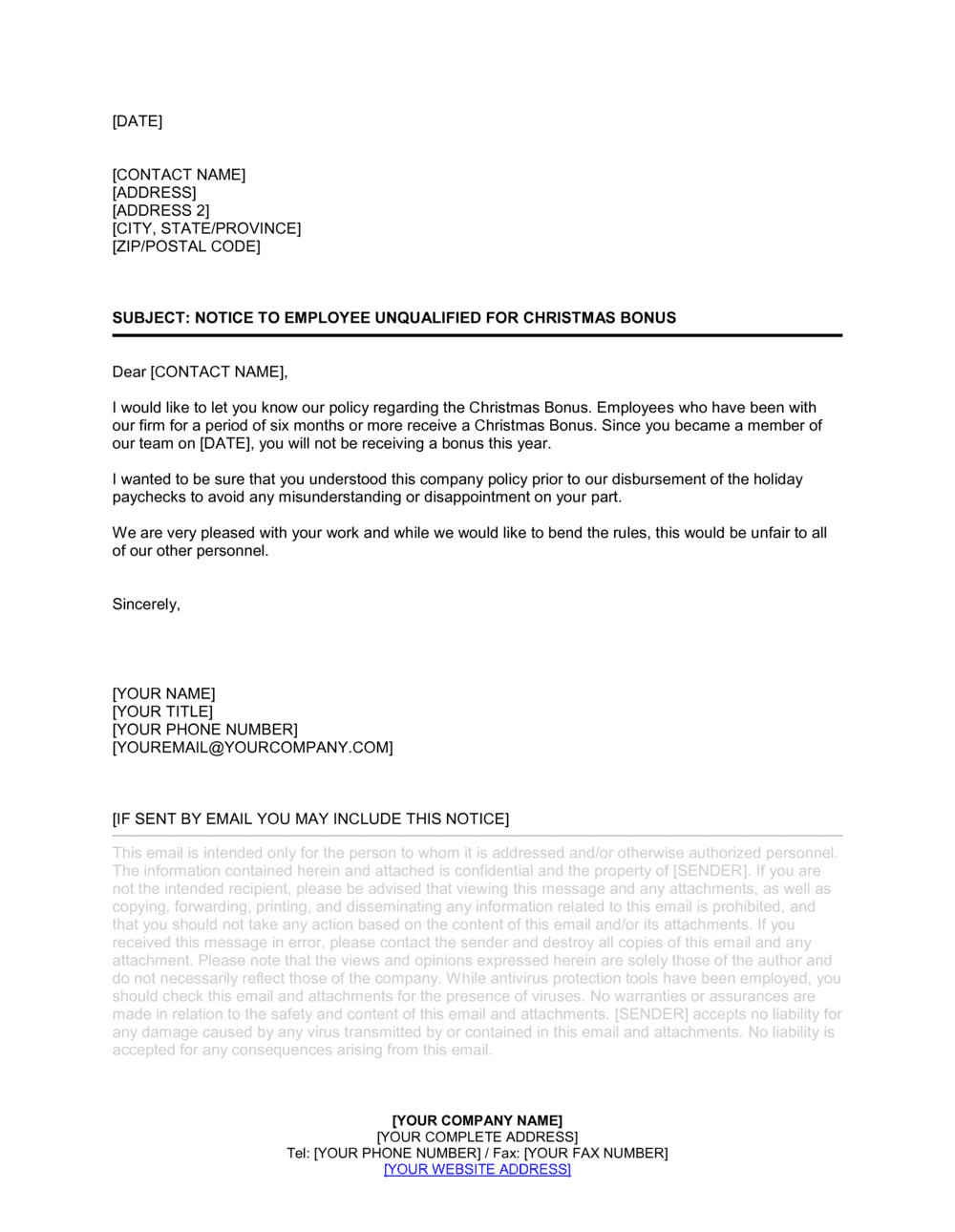
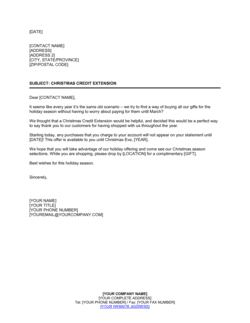
A Notice To Employee Unqualified For Christmas Bonus is a formal business letter an employer sends to inform a specific employee that they do not meet the eligibility criteria for the company's Christmas bonus in a given year. This free Word download gives you a ready-to-edit template you can personalize with the employee's name, the applicable policy, and the specific reason for ineligibility, then send via email or printed memo.
When you need it
Use it before the bonus distribution date whenever an employee falls outside the qualifying conditions β€” such as insufficient tenure, active disciplinary proceedings, or a performance improvement plan β€” and you need a written record of the notification.
What's inside
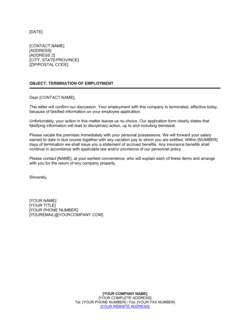
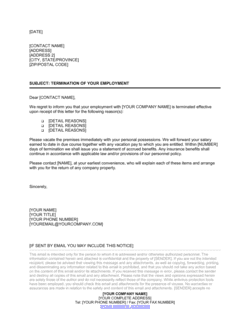
A date and addressee block, a clear statement of ineligibility, a reference to the governing bonus policy or employee handbook, the specific reason for disqualification, and a closing that invites the employee to raise questions with HR or their manager.

What is a Notice To Employee Unqualified For Christmas Bonus?

A Notice To Employee Unqualified For Christmas Bonus is a formal business letter an employer issues to inform a specific employee that they do not meet the eligibility conditions for the company's annual Christmas bonus in a given year. The letter identifies the governing policy, states the objective reason for disqualification β€” such as insufficient tenure, an active performance improvement plan, or a role excluded from the bonus program β€” and documents the communication in writing for the employee's HR file. It is a brief, factual document, typically one page, that balances directness with professionalism.

Why You Need This Document

Failing to issue a written ineligibility notice leaves the employer exposed on two fronts. First, without documentation, the employee may later claim they were never told they did not qualify and pursue a bonus dispute based on the precedent of colleagues receiving payment. Second, verbal or informal communications about compensation decisions are nearly impossible to defend in a grievance or tribunal proceeding. A signed, policy-referenced letter issued before the distribution date closes both gaps: it demonstrates the decision was based on a written rule, applied consistently, and communicated with enough lead time for the employee to raise questions. This template gives you the correct structure β€” date block, policy citation, objective reason, acknowledgment, and contact details β€” so you can issue a defensible, professional notice in under ten minutes.

Which variant fits your situation?

If your situation is…Use this template
Employee joined after the tenure eligibility cut-off dateNotice To Employee Unqualified For Christmas Bonus
Employee is on an active performance improvement planNotice To Employee Unqualified For Christmas Bonus
Employee is subject to ongoing disciplinary proceedingsEmployee Written Warning Letter
Employee qualifies and you need to communicate bonus amountChristmas Bonus Letter To Employee
Employee's role is excluded from the bonus program entirelyEmployee Compensation Policy Notice
Employee disputes the ineligibility decisionEmployee Grievance Response Letter

Common mistakes to avoid

❌ Referencing 'company policy' without citing the specific document

Why it matters: A vague policy reference cannot be verified and appears arbitrary. Employees who feel the decision is unsupported are significantly more likely to raise a formal grievance.

Fix: Cite the exact handbook section, version, and date. If no written policy exists, create one before issuing the notices and reference it.

❌ Sending the notice after the bonus has already been distributed

Why it matters: Notifying an employee after colleagues have already received their bonuses amplifies the negative reaction and eliminates any opportunity for the employee to seek clarification beforehand.

Fix: Issue all ineligibility notices at least five business days before the bonus distribution date.

❌ Using subjective language to describe the reason for exclusion

Why it matters: Phrases like 'performance concerns' or 'attitude issues' without documented backing can be challenged as discriminatory or retaliatory in an employment dispute.

Fix: State only objective, documented facts β€” start date, service months, PIP reference number, or policy section β€” as the basis for ineligibility.

❌ Omitting a contact point for employee questions

Why it matters: Employees who receive unwelcome news with no escalation path are more likely to raise informal complaints or seek outside advice rather than resolving the issue internally.

Fix: Always include a named HR or management contact with an email address and a deadline for submitting questions.

The 9 key clauses, explained

Date and addressee block

In plain language: Identifies when the letter was written and who it is addressed to β€” the employee's full name, job title, and department.

Sample language
[DATE] | To: [EMPLOYEE FULL NAME] | Title: [JOB TITLE] | Department: [DEPARTMENT NAME]

Common mistake: Using only a first name in the addressee block. The employee's full legal name and title create a clean paper trail and avoid confusion if the notice is ever referenced in a dispute.

Sender identification

In plain language: States who the letter is from β€” typically HR, the employee's direct manager, or a named company representative.

Sample language
From: [SENDER NAME], [SENDER TITLE] | [COMPANY NAME]

Common mistake: Omitting the sender's name and sending from a generic HR inbox. A named sender signals accountability and makes follow-up conversations easier to initiate.

Subject line

In plain language: A clear, neutral subject line stating the purpose of the letter without inflammatory language.

Sample language
Subject: Christmas Bonus Eligibility β€” [YEAR]

Common mistake: Writing 'You Are Not Getting a Bonus' or similar blunt phrasing. A neutral subject line reduces the chance the letter triggers an immediate emotional reaction before the employee has read the explanation.

Opening statement of purpose

In plain language: The opening paragraph states directly that the purpose of the letter is to notify the employee of their ineligibility for the current year's Christmas bonus.

Sample language
We are writing to inform you that, following a review of this year's Christmas bonus eligibility, [COMPANY NAME] has determined that you do not qualify for the [YEAR] Christmas bonus.

Common mistake: Burying the ineligibility news in the second or third paragraph after excessive preamble. Employees find delayed disclosure more unsettling than a direct opening statement.

Policy reference

In plain language: Cites the specific policy, handbook section, or agreement that governs Christmas bonus eligibility, giving the employee a verifiable basis for the decision.

Sample language
As outlined in Section [X] of the [COMPANY NAME] Employee Handbook ([VERSION / DATE]), eligibility for the annual Christmas bonus requires [CRITERIA β€” e.g., a minimum of 12 months of continuous service as of December 1, [YEAR]].

Common mistake: Referencing 'company policy' without citing the specific document or section. A vague reference cannot be verified and may appear arbitrary, which increases the risk of a formal grievance.

Specific reason for ineligibility

In plain language: States the precise reason the employee does not meet the eligibility criteria β€” tenure, performance status, disciplinary action, or role exclusion.

Sample language
Your employment with [COMPANY NAME] commenced on [START DATE], which means you have completed [X] months of continuous service as of the eligibility date. The minimum required period is [12] months.

Common mistake: Using subjective language such as 'your performance has not met expectations' without referencing the specific plan or documented review that supports the exclusion. Subjectivity without documentation creates dispute risk.

Acknowledgment of the employee's contributions

In plain language: A brief, genuine sentence recognizing the employee's work during the year, softening the notice without contradicting the ineligibility decision.

Sample language
We appreciate the contributions you have made to [COMPANY NAME] during your time with us and look forward to your continued growth with the team.

Common mistake: Skipping this clause entirely in the interest of brevity. A one-sentence acknowledgment materially reduces the likelihood the employee perceives the notice as punitive.

Next steps and contact invitation

In plain language: Tells the employee what happens next β€” when and how the bonus will be distributed to eligible employees β€” and invites them to direct questions to HR or their manager.

Sample language
The [YEAR] Christmas bonuses for eligible employees will be distributed on [DATE]. If you have any questions about this notice or your eligibility status, please contact [HR CONTACT NAME] at [EMAIL / PHONE].

Common mistake: Leaving out a contact point for questions. Employees who receive unwelcome news without a clear escalation path are more likely to raise informal complaints or consult outside parties.

Closing and signature block

In plain language: A professional closing with the sender's name, title, and signature β€” maintaining a tone of respect and finality.

Sample language
Sincerely, [SENDER NAME] | [SENDER TITLE] | [COMPANY NAME] | [DATE]

Common mistake: Closing with 'Regards' but leaving the signature block blank. An unsigned letter can be questioned as unofficial, especially if the employee later disputes the notice.

How to fill it out

  1. 1

    Enter the date and employee details

    Fill in today's date and the employee's full legal name, job title, and department in the addressee block at the top of the letter.

    πŸ’‘ Use the date you intend to deliver the letter, not the date you drafted it β€” the delivery date is what anchors the paper trail.

  2. 2

    Identify the sender

    Enter the name and title of the person issuing the notice β€” typically the HR manager or the employee's direct supervisor. Avoid generic sender labels like 'The Management Team.'

    πŸ’‘ If HR is issuing the notice on behalf of a manager, note both names: 'HR Manager, on behalf of [MANAGER NAME].'

  3. 3

    Write a neutral subject line

    Use a factual, year-specific subject line such as 'Christmas Bonus Eligibility β€” 2025.' Avoid loaded language in the subject.

    πŸ’‘ A year-specific subject line makes filing and retrieval straightforward if the notice is ever referenced in a future HR review.

  4. 4

    State the ineligibility clearly in the opening paragraph

    Write a direct opening sentence that tells the employee the purpose of the letter without preamble. Include the company name and the relevant bonus year.

    πŸ’‘ Read the opening paragraph aloud. If it takes more than two sentences to reach the key message, shorten it.

  5. 5

    Cite the governing policy with a specific reference

    Reference the exact section and version of the employee handbook or bonus policy that sets out the eligibility rules. If the policy is not yet in writing, note that separately and create the policy before issuing the next round of notices.

    πŸ’‘ If your handbook is versioned by year (e.g., 'Employee Handbook 2025'), cite the year β€” it prevents disputes about which version applied.

  6. 6

    State the specific reason for disqualification

    Enter the factual basis β€” start date, months of service completed, PIP reference number, or role classification β€” that explains why the employee does not meet the criteria.

    πŸ’‘ Stick to objective facts and figures. Avoid interpretive phrases like 'your attitude' or 'cultural fit concerns.'

  7. 7

    Add the acknowledgment and contact details

    Include a single sentence recognizing the employee's efforts, then provide the HR contact name, email, and phone number for follow-up questions.

    πŸ’‘ Set a deadline for questions β€” for example, 'Please direct any questions by [DATE]' β€” so you can manage responses before the bonus distribution date.

  8. 8

    Sign and deliver before the bonus distribution date

    Have the sender sign the letter and deliver it at least five business days before bonuses are paid to give the employee time to ask questions.

    πŸ’‘ Deliver in person where possible, or via email with a read receipt. Keep a copy in the employee's HR file.

Frequently asked questions

What is a notice to employee unqualified for a Christmas bonus?

It is a formal written letter an employer sends to inform a specific employee that they do not meet the eligibility conditions for the company's Christmas bonus in a given year. The letter states the governing policy, the specific reason for ineligibility, and who the employee should contact with questions. It creates a documented record of the communication and reduces the risk of a bonus dispute.

Do employers have to give employees a Christmas bonus?

In most jurisdictions, a Christmas bonus is discretionary unless it is explicitly promised in the employment contract, offer letter, or a binding company policy. A discretionary bonus can be withheld or adjusted without breaching the employment agreement. However, if a bonus has been paid consistently for many years, courts in some jurisdictions may treat it as an implied contractual entitlement β€” so it is worth reviewing your bonus policy language with an employment adviser.

What reasons can an employer give for withholding a Christmas bonus?

Common documented grounds include insufficient tenure (e.g., hired after the eligibility cut-off date), an active performance improvement plan, an open disciplinary proceeding, a role or employment type explicitly excluded by policy, or company-wide financial conditions that triggered a bonus freeze. The reason must be grounded in a written policy to be clearly defensible.

Should the ineligibility notice be delivered in person or in writing?

Written delivery β€” whether printed and handed over in person or sent via email with a read receipt β€” is strongly preferred because it creates a documented record. A verbal notification with no follow-up letter leaves no evidence of what was communicated and when. Delivering the letter in person and then following up with an emailed copy is best practice for senior or long-tenured employees.

What tone should this letter use?

The letter should be direct, factual, and professional. Avoid apologetic language that implies the decision may be reconsidered, and avoid blunt or punitive phrasing that reads as a reprimand. A single sentence acknowledging the employee's contributions during the year β€” before or after the policy reference β€” strikes the right balance and measurably reduces negative reactions.

Can an employee challenge or appeal a Christmas bonus ineligibility decision?

Yes. If the employee believes the policy was misapplied, that the exclusion was discriminatory, or that a prior agreement entitles them to the bonus, they can raise a formal grievance. A well-documented notice that cites the correct policy section and states objective facts is the employer's primary defense in that process. Ensure your HR file includes a copy of the signed or delivered notice.

When should this notice be issued?

Issue the notice at least five business days before the Christmas bonus distribution date. This gives the employee time to review the reason, ask questions, and raise any concerns internally before the payment is processed. Issuing the notice after bonuses have been paid to colleagues significantly increases the emotional impact and the risk of a formal complaint.

Does this letter need to be signed by a manager?

A named signature from an HR manager or the employee's direct supervisor strengthens the notice by establishing accountability. An unsigned or anonymously issued letter may be challenged as unofficial and is harder to reference in a subsequent grievance or legal proceeding. Both the sender's name and title should appear in the signature block.

How this compares to alternatives

vs Christmas Bonus Letter To Employee

The Christmas Bonus Letter To Employee communicates the bonus amount and distribution date to qualifying staff. This notice does the opposite β€” it formally documents ineligibility for employees who do not meet the criteria. Both letters should be issued on the same date so all employees receive written communication before the distribution day.

vs Employee Written Warning Letter

A written warning documents a specific disciplinary incident and warns of consequences for future misconduct. The bonus ineligibility notice is not a disciplinary document β€” it records a compensation decision. Conflating the two creates legal risk; if an employee is both on a warning and ineligible for a bonus, issue both letters separately and on separate grounds.

vs Performance Improvement Plan

A PIP sets measurable improvement targets over a defined review period. The bonus ineligibility notice may reference an active PIP as the reason for exclusion, but it is not a substitute for the PIP itself. Both documents should exist independently in the employee's HR file.

vs Year-End Employee Recognition Letter

A year-end recognition letter acknowledges an employee's contributions and achievements without any compensation component. When an employee does not qualify for a Christmas bonus, a recognition letter alone is not a replacement for formal written notice of ineligibility β€” employees need explicit written confirmation of their bonus status, not just praise.

Industry-specific considerations

Retail

Seasonal hires who joined after the eligibility cut-off are common; this notice standardizes how store managers communicate ineligibility across high-turnover workforces.

Professional Services

Employees on active PIPs or under disciplinary review for client-conduct issues are typically excluded; the letter documents the exclusion for the personnel file.

Manufacturing

Shift workers hired mid-year or subject to attendance-based eligibility thresholds frequently require this notice; clear policy citation is critical in unionized environments.

Healthcare

Contract or agency staff who do not meet the minimum direct-employment tenure threshold need a formal notice to distinguish their status from permanent employees.

Template vs pro β€” what fits your needs?

PathBest forCostTime
Use the templateHR managers and business owners issuing standard ineligibility notices based on a documented bonus policyFree5–10 minutes per letter
Template + professional reviewEmployers excluding employees who may claim a contractual or implied entitlement to the bonus$150–$400 for a 1-hour employment adviser review1–2 business days
Custom draftedEmployers in heavily unionized environments or jurisdictions with strict bonus entitlement statutes, or where the exclusion is tied to an active discrimination complaint$500–$1,5003–5 business days

Glossary

Christmas Bonus
A discretionary or contractual payment made to employees at year-end, typically tied to the Christmas season, as a reward or gesture of goodwill.
Eligibility Criteria
The specific conditions an employee must satisfy β€” such as minimum tenure, satisfactory performance, or active employment status β€” to qualify for a bonus.
Discretionary Bonus
A bonus the employer chooses to pay based on business conditions and individual performance, with no contractual obligation to do so.
Contractual Bonus
A bonus explicitly promised in the employment contract or offer letter, which the employer is legally obligated to pay when conditions are met.
Probationary Period
A defined initial employment period β€” typically 30 to 90 days β€” during which the employee may be subject to different benefit and compensation rules.
Performance Improvement Plan (PIP)
A formal document outlining performance deficiencies and required improvements, often used as a basis for excluding an employee from discretionary awards.
Employee Handbook
A company document describing policies, procedures, and employee entitlements β€” the primary source of written bonus eligibility rules.
Ineligibility Notice
A formal written communication informing an employee that they do not qualify for a specific benefit, award, or payment in a given period.
Accrued Entitlement
A compensation element an employee has earned a legal right to receive, which cannot be withheld without contractual or statutory justification.
Good Standing
An employment status indicating no active disciplinary actions, performance plans, or policy violations β€” often a prerequisite for bonus eligibility.

Part of your Business Operating System

This document is one of 3,000+ business & legal templates included in Business in a Box.

  • Fill-in-the-blanks β€” ready in minutes
  • 100% customizable Word document
  • Compatible with all office suites
  • Export to PDF and share electronically

Create your document in 3 simple steps.

From template to signed document β€” all inside one Business Operating System.
1
Download or open template

Access over 3,000+ business and legal templates for any business task, project or initiative.

2
Edit and fill in the blanks with AI

Customize your ready-made business document template and save it in the cloud.

3
Save, Share, Send, Sign

Share your files and folders with your team. Create a space of seamless collaboration.

Save time, save money, and create top-quality documents.

β˜…β˜…β˜…β˜…β˜…

"Fantastic value! I'm not sure how I'd do without it. It's worth its weight in gold and paid back for itself many times."

Managing Director Β· Mall Farm
Robert Whalley
Managing Director, Mall Farm Proprietary Limited
β˜…β˜…β˜…β˜…β˜…

"I have been using Business in a Box for years. It has been the most useful source of templates I have encountered. I recommend it to anyone."

Business Owner Β· 4+ years
Dr Michael John Freestone
Business Owner
β˜…β˜…β˜…β˜…β˜…

"It has been a life saver so many times I have lost count. Business in a Box has saved me so much time and as you know, time is money."

Owner Β· Upstate Web
David G. Moore Jr.
Owner, Upstate Web

Run your business with a system β€” not scattered tools

Stop downloading documents. Start operating with clarity. Business in a Box gives you the Business Operating System used by over 250,000 companies worldwide to structure, run, and grow their business.

Start freeΒ Β·Β No credit card required