1
Read the funder's RFP and eligibility requirements before writing a single word
Download the funder's guidelines and highlight every mandatory section, page limit, font requirement, and deadline. Build a checklist from these requirements and use it to review your draft before submission.
💡 If the RFP uses specific terminology — 'equity-centered,' 'evidence-based,' 'capacity building' — mirror that language throughout your proposal to signal alignment.
2
Draft the needs statement using local, current data
Gather at least three data points specific to the geography and population you serve. Cite the source and year for every statistic. Connect national or regional trends to your local context with a bridge sentence.
💡 Your own program data — waitlists, intake records, client surveys — is often more persuasive than third-party statistics because it shows firsthand knowledge of the problem.
3
Write SMART objectives tied directly to the needs statement
For each need you documented, write at least one objective with a numeric target, a measurement method, and a deadline. Ensure your evaluation plan can realistically collect the data needed to track each objective.
💡 Run a quick test: if you cannot describe exactly how you will count or measure the outcome, the objective is not yet specific enough.
4
Map activities to objectives in a timeline
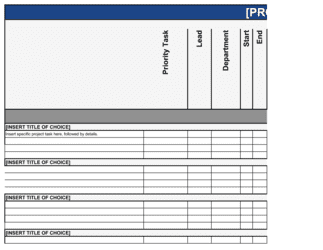
List every task required to achieve each objective, assign a responsible staff member or role, and place it in the project calendar. Use a simple table with months across the top and activities down the side.
💡 Build in at least one month of buffer before major deliverables — grant timelines consistently underestimate setup, hiring, and partner coordination time.
5
Build the budget from the bottom up
Calculate each cost line using real figures: actual salary rates, benefits percentages, vendor quotes, and mileage rates. Apply your organization's negotiated indirect cost rate if you have one, or check whether the funder caps overhead.
💡 Contact your finance department or accountant before finalizing the budget — submitting a salary figure that conflicts with your payroll records creates compliance problems if you receive the grant.
6
Write the budget justification for every line item
For each cost in the budget, write one to three sentences explaining what it covers, how the amount was calculated, and why it is necessary for the project. Do not skip lines with small dollar amounts — unexplained costs raise questions.
💡 Use the format: '[ITEM] costs $[AMOUNT] because [CALCULATION]. This cost is necessary to [PROJECT FUNCTION].'
7
Draft the sustainability plan with named funding sources
Identify at least two specific revenue streams — named funders, earned income mechanisms, or committed cost-share — that will sustain the program after the grant ends. Note any steps already taken to secure these sources.
💡 If you have already submitted a renewal application or received a letter of intent from another funder, mention it. Evidence of proactive sustainability planning is a significant scoring differentiator.
8
Write the executive summary last and proofread against the RFP checklist
Pull the one most compelling data point and the clearest outcome from each section to write the summary. Then run through your RFP checklist line by line to confirm every required element is present before you submit.
💡 Ask a colleague who did not write the proposal to read the executive summary and name the problem, the ask, and the expected outcome in their own words. If they cannot, revise.