- Debenture
- A long-term debt instrument issued by a company that acknowledges a loan and sets out the repayment terms, interest rate, and security provided to the lender.
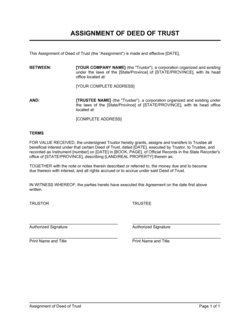
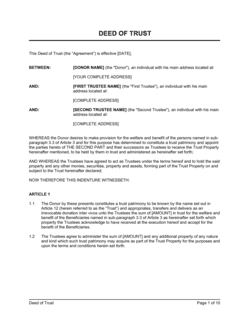
- Trust Deed
- The legal document that appoints a trustee to hold security and enforce the rights of multiple debenture holders as a group.
- Trustee
- An independent party — often a bank or trust company — appointed to act on behalf of debenture holders, hold the security, and enforce rights on default.
- Fixed Charge
- A security interest over a specific, identified asset (such as land, plant, or intellectual property) that the company cannot dispose of without the lender's consent.
- Floating Charge
- A security interest over a class of assets that changes in the ordinary course of business (such as stock or receivables), which crystallises into a fixed charge on a default event.
- Crystallisation
- The point at which a floating charge converts into a fixed charge, attaching to the specific assets in the class at that moment — typically triggered by default or insolvency.
- Covenant
- A contractual promise by the borrower to do, or refrain from doing, something — such as maintaining a minimum interest coverage ratio or not incurring additional debt above a set threshold.
- Event of Default
- A specified trigger — such as missed interest payment, insolvency, or breach of covenant — that entitles the trustee to accelerate repayment and enforce security.
- Acceleration
- The right of the trustee or lender to demand immediate repayment of the entire outstanding principal and accrued interest upon an event of default.
- Negative Pledge
- A covenant by the borrower not to create any further security interests over its assets that would rank ahead of or equally with the debenture holder's charge.
- Pari Passu
- Latin for 'equal footing' — meaning two or more creditors share the same priority ranking in the repayment waterfall on insolvency.
- Redemption
- The repayment of the debenture principal (and any accrued interest) at or before maturity, releasing the charge over the secured assets.