- Nonconforming Goods
- Goods that fail to meet the specifications, quality standards, or description set out in the original purchase order or supply contract.
- Right of Rejection
- A buyer's legal right to refuse acceptance of goods that do not conform to the contract, typically exercised within a reasonable time after delivery and inspection.
- Cure Right
- A seller's right or obligation to remedy a defective or nonconforming delivery by repairing, replacing, or re-tendering conforming goods within the time allowed.
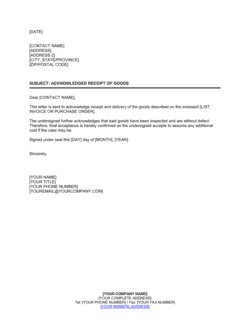
- Acceptance
- The buyer's act of taking delivery and acknowledging goods as conforming — once accepted, the right to reject is typically lost and only warranty claims remain.
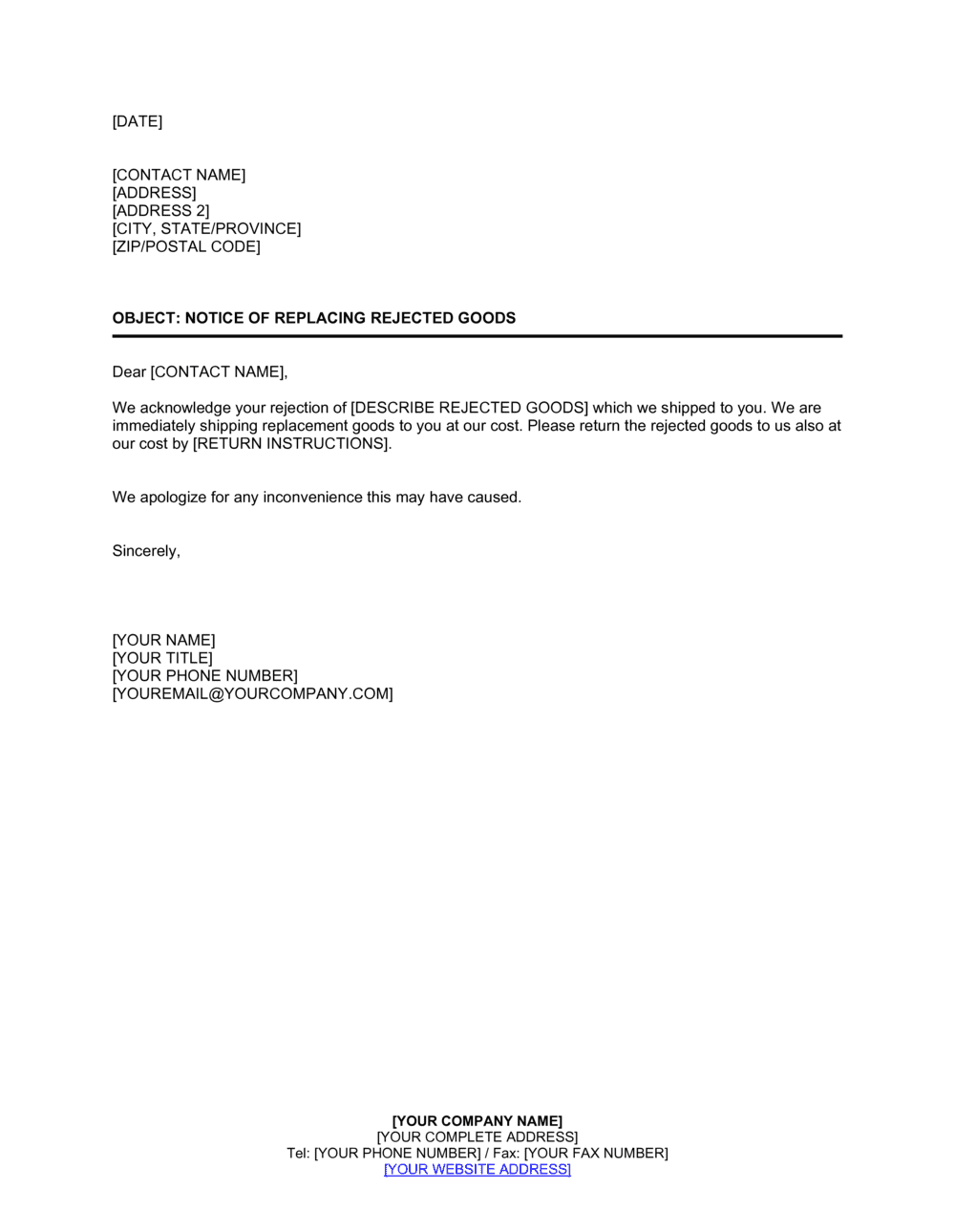
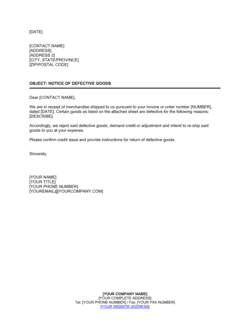
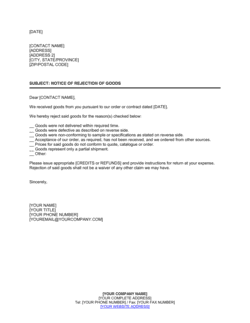
- Rejection Notice
- A written communication from the buyer to the seller specifying that delivered goods are rejected and stating the grounds for rejection.
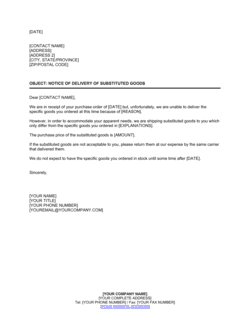
- Replacement Delivery
- A fresh shipment of conforming goods sent by the seller to cure a prior rejection, delivered within the timeline agreed in the replacement agreement.
- Inspection Period
- The defined window after delivery during which the buyer may inspect goods and exercise the right of rejection before acceptance is deemed to occur.
- Purchase Order (PO)
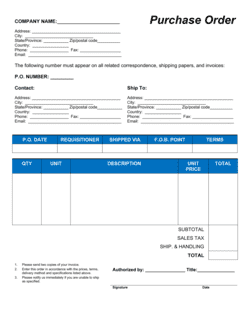
- The buyer's original written authorization to purchase specific goods at a stated price, quantity, and specification — the baseline against which conformity is measured.
- Mitigation of Loss
- The buyer's duty to take reasonable steps to limit damages arising from a seller's breach — including cooperating with a cure offer rather than passively accumulating losses.
- Force Majeure
- A contractual clause excusing a party's performance when extraordinary events outside its control — natural disasters, strikes, or government actions — prevent timely delivery.
- Conforming Goods
- Goods that match every material specification, quantity, and quality standard stated in the purchase order and governing contract.
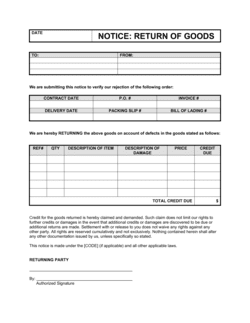
- Bill of Lading
- A shipping document issued by a carrier that records the goods being transported, their condition at handoff, and the terms of carriage — key evidence in transit-damage disputes.