- Repaired Product
- A good, component, or piece of equipment that has undergone servicing, correction of a defect, or restoration of functionality and is now being assessed for return to use.
- Return to Service
- A formal determination that a repaired item meets the applicable safety and performance standards and may be redeployed or returned to the end user.
- Post-Repair Inspection
- A structured assessment — visual, functional, or test-based — conducted after repair work is completed to verify that the product performs within specified parameters.
- Residual Risk
- Any remaining safety or performance limitation present after repair that the issuing party discloses to the recipient as part of the recommendation.
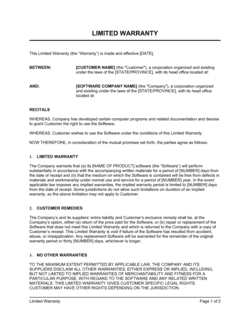
- Warranty of Repair
- A limited guarantee covering the specific repair work performed, distinct from the original product warranty, stating the period and conditions under which the repair is warranted.
- Fitness for Purpose
- A legal standard requiring that a product or repaired component is suitable for the specific use the buyer intends — implied by statute in many common-law jurisdictions.
- Chain of Custody
- A documented record of who held, transported, or handled the product between the time it was received for repair and the time it was returned, relevant to liability and insurance claims.
- Non-Conformance
- A finding that the product does not meet the original specification or a defined quality standard — recorded in the recommendation when full restoration was not achievable.
- Limitation of Liability
- A clause capping the repairing party's financial exposure to the recipient for losses arising from post-repair product performance, typically limited to the cost of the repair itself.
- Indemnification
- An obligation by one party to compensate the other for specified losses or claims — in this context, the recipient typically indemnifies the repairing party if the product is used outside the recommended parameters.