1
Identify both parties with full legal names and addresses
Enter the creditor's and debtor's complete legal names — registered entity names for businesses, not trade names — along with current mailing addresses. If the creditor is a company, include the jurisdiction of incorporation.
💡 Match the creditor's name exactly to the name on the original invoice, loan agreement, or contract that gave rise to the debt. Inconsistencies create enforcement gaps.
2
Describe the origin and original amount of the debt
Reference the specific document, transaction, or event that created the debt — invoice number, loan date, or contract reference — and state the original total amount owed before any payments were applied.
💡 Attach a copy of the original invoice or agreement as an exhibit so the debt's origin is unambiguous and cannot be disputed later.
3
Log each payment received to date with date and method
List every installment already received in chronological order, including the exact date, dollar amount, and payment method (check number, wire transfer reference, or ACH confirmation). Calculate the cumulative total received.
💡 Pull payment dates from bank records or accounting software rather than memory — a single incorrect date undermines the credibility of the entire ledger.
4
Calculate and state the exact outstanding balance
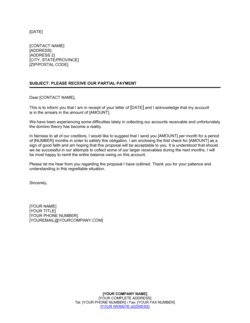
Subtract the cumulative payments received from the original balance. If the agreement carries interest, calculate accrued interest to the acknowledgment date and add it to the outstanding principal to produce the total balance.
💡 State the interest calculation method explicitly — simple interest on the outstanding principal, not compounding — to avoid disputes over how the balance was derived.
5
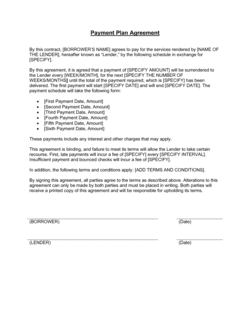
Enter the remaining payment schedule with specific calendar dates
List each remaining installment with an exact calendar date and dollar amount. Ensure the sum of all remaining installments equals the outstanding balance stated in the prior section.
💡 Cross-check the total of all scheduled future payments against the outstanding balance before finalizing — a mismatch creates ambiguity about whether the final payment fully satisfies the debt.
6
Set late fees, grace period, and default triggers
Specify the grace period (typically 5–10 calendar days), the late fee amount or percentage, and the events that constitute default. Include insolvency and bankruptcy alongside missed payments.
💡 A grace period of 5 business days, rather than calendar days, accounts for banking delays and reduces false defaults caused by weekend or holiday processing.
7
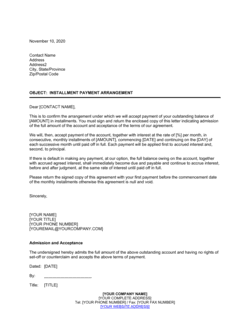
Have both parties sign before the next installment is due
Both creditor and debtor must sign and date the acknowledgment. For business entities, the signatory must have authority to bind the company — a director, officer, or authorized representative.
💡 Execute the acknowledgment before the next scheduled payment, not after. Signing after the next payment has already been made raises questions about whether the schedule was agreed in advance or reconstructed after the fact.
8
Deliver a fully executed copy to the debtor
Provide the debtor with a signed copy of the completed acknowledgment immediately after execution. File your copy with the original debt documents in your accounts-receivable records.
💡 Send the executed PDF by email and request a read receipt or delivery confirmation — this establishes the date on which the debtor received the document.