1
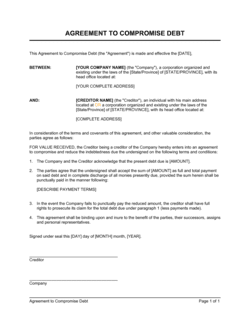
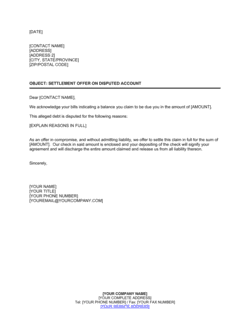
Identify both parties and the disputed account
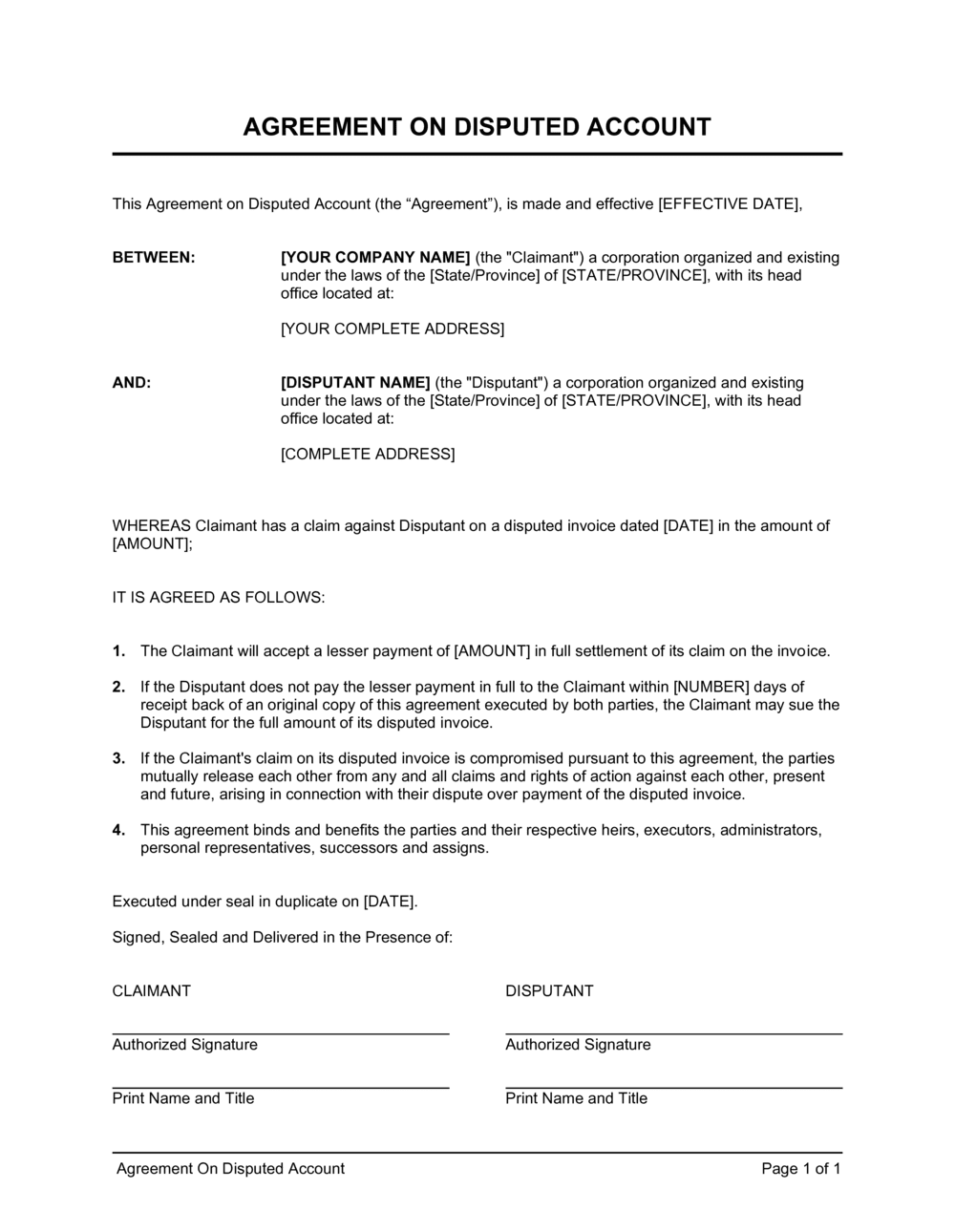
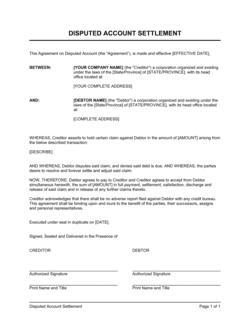
Enter the full legal names of the creditor and debtor, their addresses, and the specific account number, invoice reference, or debt identifier being settled. Confirm the original claimed amount.
💡 Cross-reference the debtor's legal entity name against their state or provincial business registry before executing — enforcement against a dissolved entity is costly and often fruitless.
2
Describe the nature of the dispute without admitting fault
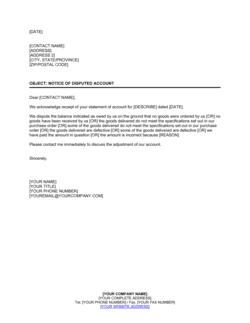
Write a brief, neutral summary of why the account is disputed — billing error, service quality disagreement, contract interpretation — using 'A dispute has arisen' language rather than assigning blame.
💡 Keep the description factual and concise. Every word in this clause can be quoted in court; avoid characterizations that could be read as admitting or conceding any specific claim.
3
Agree on and enter the compromise amount and schedule
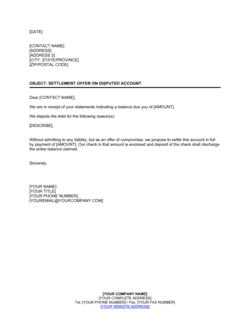
State the exact dollar amount both parties have agreed to accept, whether it will be paid in a single lump sum or installments, the specific due date or payment schedule, and the payment method and account details.
💡 For installment arrangements, attach a payment schedule as Exhibit A rather than listing every date in the body — it keeps the contract readable and makes the schedule easy to update if dates shift before signing.
4
Draft the mutual release language
Ensure both the creditor's release of the original debt and the debtor's release of any counterclaims are included. Tie the creditor's release explicitly to confirmed receipt of the full compromise amount.
💡 State that the release is 'effective upon receipt' of cleared funds — not upon the date of the agreement — to prevent the release from triggering before payment clears.
5
Set the default and reinstatement terms
Specify the cure period (typically 5–10 business days), the reinstatement trigger, and whether attorney's fees are recoverable by the creditor in the event of default and subsequent collection action.
💡 Including an attorney's fee provision in the default clause significantly increases the debtor's incentive to comply — it makes default materially more expensive than paying as agreed.
6
Add representations, warranties, and confidentiality
Confirm that neither party has assigned the account to a third party, that both have authority to sign, and agree on the confidentiality scope — including the mandatory disclosure carve-outs.
💡 Ask the creditor to confirm in writing before signing that the account has not been placed with a collections agency or assigned to a debt buyer — even informally.
7
Execute before compromise payment is made
Both parties must sign the agreement before the compromise payment is tendered. Payment before signing creates an accord-and-satisfaction risk where the creditor may lose the right to enforce installment terms.
💡 Use Business in a Box eSign to timestamp execution and create a tamper-evident audit trail. Store the executed copy alongside all prior correspondence about the dispute.
8
Confirm payment and retain proof of clearance
Once the compromise amount clears, retain bank confirmation or a stamped receipt as evidence that the release is now effective. Send a brief written notice to the debtor confirming the account is settled.
💡 A short confirmation letter — even a single-paragraph email — sent after payment clears eliminates any future dispute about whether the release became effective.