- Service Level Agreement (SLA)
- A contractual commitment specifying the minimum performance standards — such as uptime percentages, response times, and resolution windows — the provider must meet.
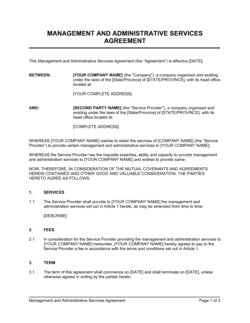
- Scope of Services
- The defined list of tasks, deliverables, and functions the service provider is contracted to perform, serving as the boundary of their obligations.
- Service Credits
- Pre-agreed financial remedies — typically a percentage reduction in the next invoice — triggered automatically when the provider fails to meet an SLA metric.
- Data Processing Agreement (DPA)
- A contract or addendum specifying how a service provider may collect, store, process, and transfer personal data on behalf of the client, required under GDPR and many privacy laws.
- Transition-Out Plan
- A documented process for transferring services, data, systems, and knowledge back to the client or a replacement provider at the end of the contract.
- Force Majeure
- A clause excusing a party's non-performance when caused by unforeseeable events outside their control, such as natural disasters, cyberattacks attributed to nation-states, or government-mandated shutdowns.
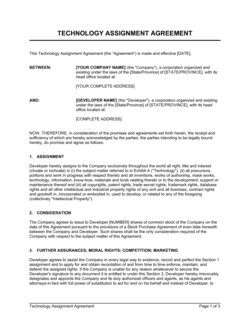
- Intellectual Property Assignment
- A clause specifying who owns custom work product, software, or tools developed by the provider during the engagement — client ownership must be expressly stated.
- Limitation of Liability
- A contractual cap on the maximum amount either party can recover for breach, typically expressed as a multiple of fees paid in the prior 12 months.
- Right to Audit
- A provision allowing the client to inspect the provider's systems, records, and processes to verify compliance with contractual, security, and regulatory obligations.
- Subcontracting Restrictions
- Conditions under which the service provider may delegate contracted work to third parties, typically requiring client consent and flow-down of key contractual obligations.