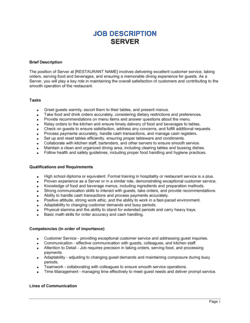
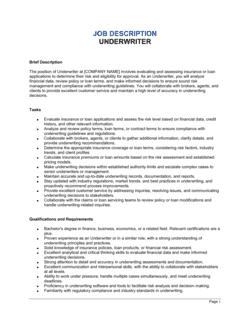
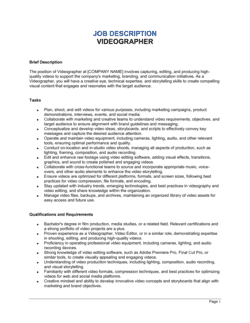
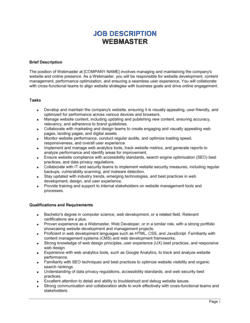
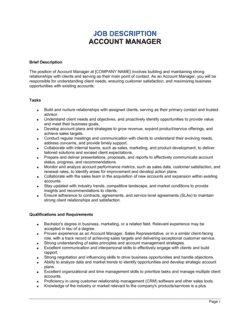
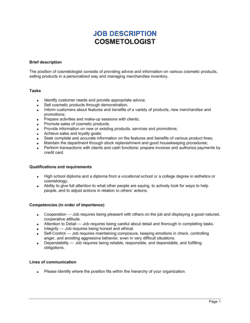
- Job Description
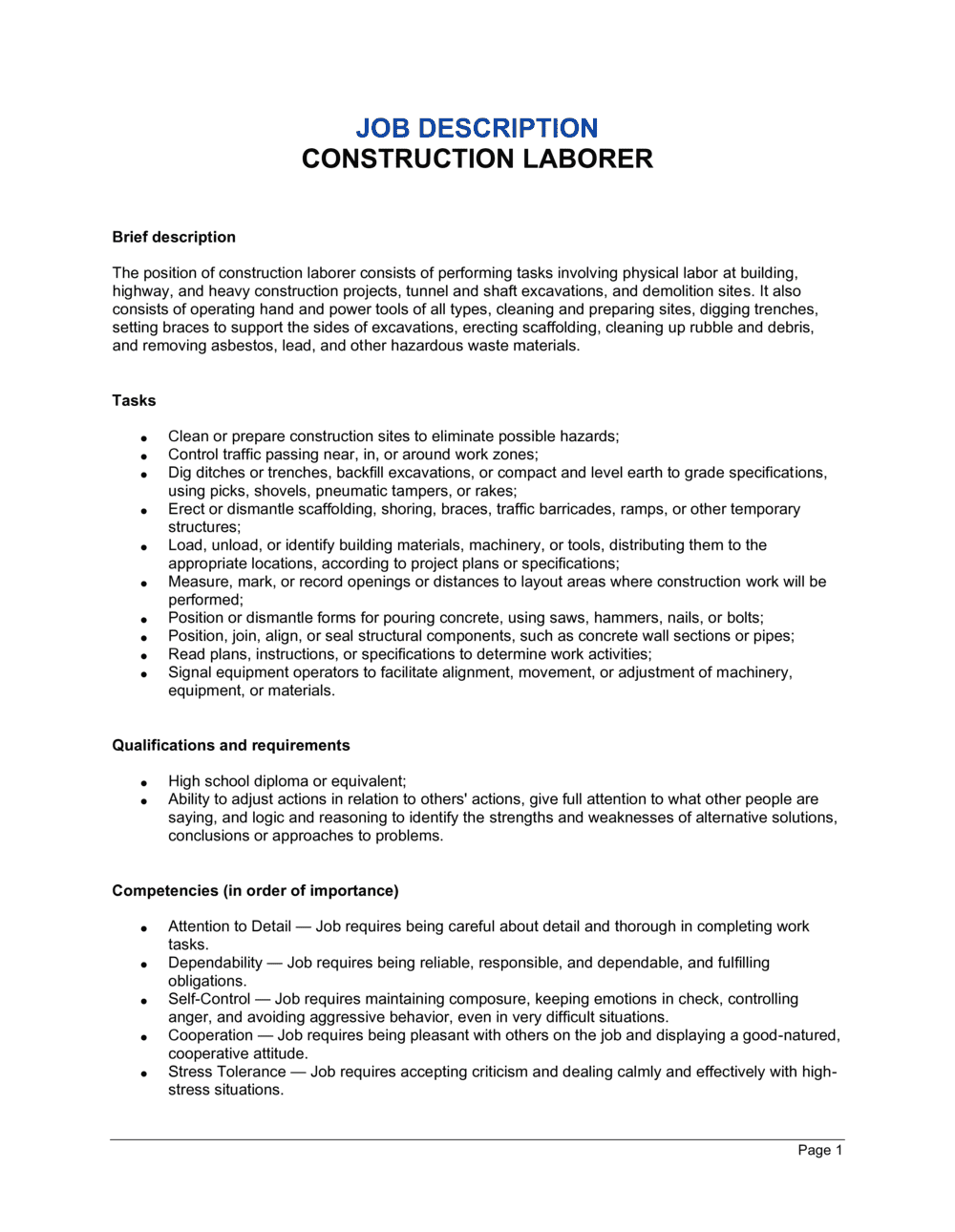
- A formal document defining a role's title, duties, qualifications, physical demands, and compensation — used for recruiting and as an employment record.
- Essential Functions
- The core duties an employee must be able to perform, with or without reasonable accommodation, as defined under the ADA and similar statutes.
- Physical Demands Disclosure
- A section listing the physical requirements of a role — lifting limits, standing duration, exposure to elements — required for ADA and workers' compensation compliance.
- OSHA Compliance
- Adherence to Occupational Safety and Health Administration standards governing workplace safety conditions, training, and equipment on construction sites.
- Prevailing Wage
- The legally mandated minimum hourly rate for laborers on publicly funded construction projects, set by federal (Davis-Bacon Act) or state law.
- At-Will Employment
- Employment that either party may end at any time for any lawful reason — the default in most US states, subject to anti-discrimination law.
- PPE (Personal Protective Equipment)
- Safety gear — hard hats, high-visibility vests, steel-toed boots, gloves, and eye protection — required on construction sites under OSHA standards.
- WHMIS
- Workplace Hazardous Materials Information System — Canada's national standard for communicating hazard information about controlled products to workers.
- Reasonable Accommodation
- A modification to a job's duties, schedule, or environment that allows a qualified worker with a disability to perform essential functions without undue hardship to the employer.
- Collective Bargaining Agreement (CBA)
- A negotiated contract between an employer and a union that sets wages, hours, working conditions, and grievance procedures for covered workers.
- Davis-Bacon Act
- A US federal law requiring payment of locally prevailing wages and benefits to laborers on federally funded construction projects exceeding $2,000.