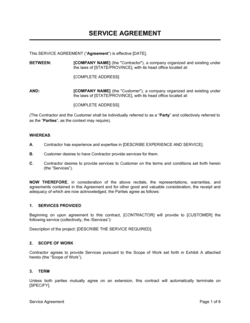
- Scope of Work
- A detailed description of the specific tasks, features, and deliverables the developer agrees to build, forming the primary basis for evaluating completion.
- Deliverable
- A specific, tangible output the developer must produce — such as a functional feature, codebase, or design asset — that the client can test and accept.
- Acceptance Criteria
- Defined standards or test conditions a deliverable must meet before the client is obligated to approve it and trigger the next payment milestone.
- Work for Hire
- A legal doctrine under which work created by a contractor at the direction of a client is treated as owned by the client from the moment of creation — requires explicit contract language in most jurisdictions.
- IP Assignment
- A clause that transfers ownership of all code, designs, and related intellectual property created during the project from the developer to the client upon full payment.
- Milestone Payment
- A payment tranche released when the developer completes and the client accepts a defined phase of the project, rather than paying the full fee upfront.
- Kill Fee
- A pre-agreed payment owed to the developer if the client cancels the project after work has begun, compensating for time and resources already invested.
- Limitation of Liability
- A clause capping the maximum financial exposure of either party — typically the total fees paid — for damages arising from the agreement.
- Warranty
- The developer's promise that the delivered work will function as specified for a defined period after acceptance, and that defects will be corrected at no additional charge.
- Governing Law
- The jurisdiction whose laws are used to interpret and enforce the agreement, typically the state or country where the developer or client is based.
- Change Order
- A written amendment to the original scope of work that documents additional tasks, revised timelines, and adjusted fees agreed to by both parties after the contract is signed.