Checklist Purchasing Used Vehicles

Free download β€’ Use as a template β€’ Print or share

2 pagesβ€’20–25 min to useβ€’Difficulty: Standard
Learn more ↓
FreeChecklist Purchasing Used Vehicles Template

At a glance

What it is
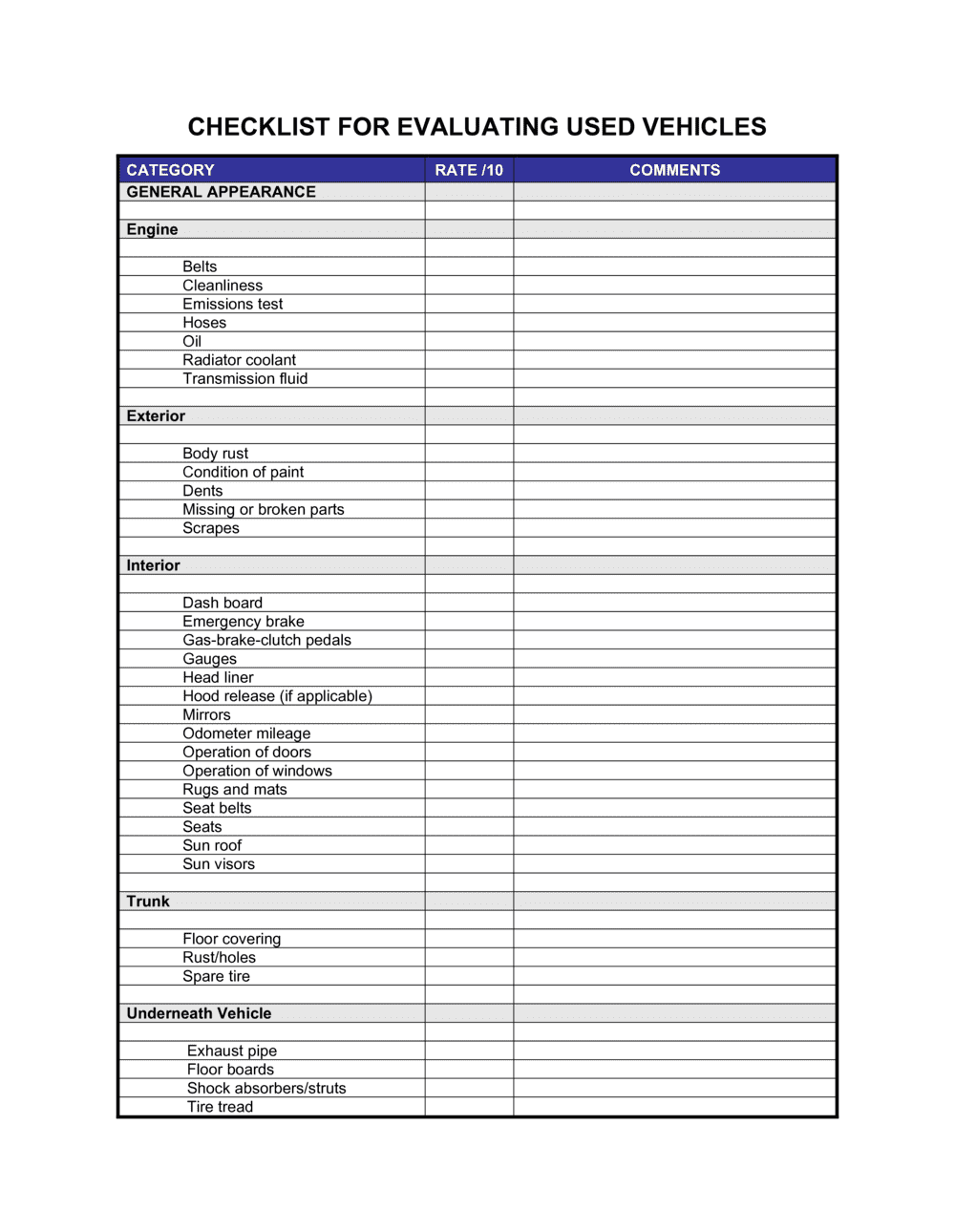
A Checklist Purchasing Used Vehicles is a structured form used to evaluate and document every critical factor before committing to a used vehicle purchase. This free Word download covers title status, mechanical condition, mileage verification, pricing, and test-drive observations β€” giving buyers a consistent, step-by-step record they can complete on-site and export as PDF.
When you need it
Use it any time a business or individual is evaluating a used vehicle for purchase β€” whether sourcing fleet additions, buying a work truck, or acquiring a company car. It is especially useful when multiple vehicles are being compared across different sellers.
What's inside
Vehicle identification and seller details, title and registration verification, exterior and interior condition ratings, mechanical inspection points, mileage and service history review, pricing and negotiation notes, and a final purchase decision field.

What is a Checklist Purchasing Used Vehicles?

A Checklist Purchasing Used Vehicles is a structured inspection and evaluation form used to systematically assess a used vehicle before committing to a purchase. It walks the buyer through every critical review point β€” title status, mechanical condition, mileage accuracy, interior and exterior ratings, service history, and pricing β€” and produces a written record of findings that supports a confident, documented buying decision. The form is designed to work equally well for individual buyers evaluating a single private-sale vehicle and for fleet managers comparing multiple candidates across different sellers.

Why You Need This Document

Buying a used vehicle without a structured checklist is one of the most reliable ways to miss a costly defect. Flood damage, odometer rollbacks, open liens, and hidden collision repairs are all straightforward to catch with a systematic process β€” and easy to overlook without one. For businesses, the stakes are higher: a poorly evaluated fleet vehicle means unplanned downtime, repair costs that erode the acquisition savings, and no paper trail to support an insurance claim or dispute with the seller. This template gives every buyer β€” whether purchasing one vehicle or twenty β€” a consistent, repeatable process that takes under an hour per vehicle and creates a timestamped record you can file with your accounting and asset-management documents.

Which variant fits your situation?

If your situation is…Use this template
Purchasing a used vehicle for a commercial fleetChecklist Purchasing Used Vehicles
Documenting a vehicle trade-in at a dealershipVehicle Inspection Report
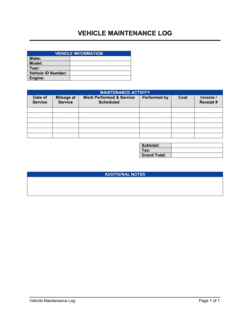
Recording ongoing vehicle maintenance after purchaseVehicle Maintenance Log
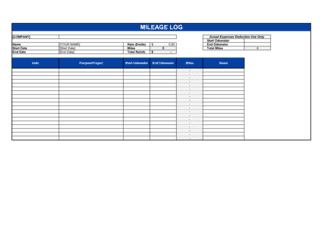
Tracking mileage for reimbursement or tax purposesMileage Log
Formalizing the sale once a vehicle is selectedVehicle Bill of Sale
Comparing multiple candidate vehicles side by sideVehicle Comparison Spreadsheet
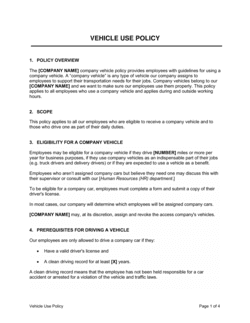
Managing a full company vehicle policyCompany Vehicle Policy

Common mistakes to avoid

❌ Skipping the vehicle history report

Why it matters: Without one, salvage titles, odometer rollbacks, and flood damage are easy to miss during a visual inspection alone. Discovering these issues after purchase can reduce the vehicle's value by 30–60%.

Fix: Run a VIN-based history report from a provider such as Carfax or AutoCheck before the inspection visit, and bring the printed report to cross-check on-site.

❌ Accepting a photocopy of the title

Why it matters: A photocopy cannot be used to complete a title transfer at the DMV and typically indicates the original is held by a bank or lienholder as security for an unpaid loan.

Fix: Require the original title in the seller's name at the inspection. If a lien exists, arrange for the lender to release the title directly to you at payoff.

❌ Skipping the cold-start test

Why it matters: A warm engine masks oil pressure issues, head gasket leaks, and excessive smoking that are clearly visible on a cold start. Sellers frequently warm the engine before a buyer arrives.

Fix: Schedule inspections for early morning or ask that the vehicle not be started for at least two hours before your arrival.

❌ Neglecting to check for open safety recalls

Why it matters: Open recalls can affect drivability, safety, and resale value. Some insurers exclude coverage for damage caused by a known, unrepaired defect.

Fix: Enter the VIN at nhtsa.gov before or during the inspection to retrieve all open recalls at no cost, then factor repair timelines into your purchase decision.

The 10 key fields, explained

Vehicle identification details

Seller information

Title and registration status

Mileage and odometer reading

Exterior condition

Interior condition

Mechanical inspection points

Service history and records

Pricing and negotiation notes

Purchase decision and next steps

How to fill it out

  1. 1

    Enter vehicle identification details before the visit

    Pull the VIN from the listing and run a vehicle history report before arriving. Enter the make, model, year, and VIN on the checklist so you can verify them against the physical vehicle on-site.

    πŸ’‘ A $20–$40 history report before the visit saves you from wasting time on a salvage-titled or stolen vehicle.

  2. 2

    Confirm seller details and title ownership

    Ask the seller for photo ID and the original title. Confirm that the name on the ID matches the name on the title. Record the seller type β€” private, dealer, or auction.

    πŸ’‘ If the title is in a different name than the seller, require a notarized bill of sale or power of attorney before proceeding.

  3. 3

    Verify title status and check for liens

    Inspect the title for any branding (salvage, rebuilt, flood) and check your state's DMV or lien registry to confirm no outstanding loans are recorded against the VIN.

    πŸ’‘ A lien check at the DMV typically costs under $10 and takes five minutes β€” cheaper than inheriting a lender's claim.

  4. 4

    Record the odometer and cross-check against records

    Write down the current odometer reading, then compare it to the history report, oil-change sticker inside the door jamb, and any available service records.

    πŸ’‘ A reading lower than the last service sticker is a guaranteed rollback β€” walk away immediately.

  5. 5

    Complete the exterior and interior condition ratings

    Walk the full perimeter of the vehicle in direct light, rating each panel, the glass, tires, and lights. Then inspect the interior for seat condition, functional controls, and signs of water intrusion.

    πŸ’‘ Run a magnet along body panels β€” it won't stick to body filler, revealing hidden collision repairs.

  6. 6

    Conduct a cold-start mechanical check and test drive

    Start the engine cold, note any warning lights or unusual sounds, and check all fluid levels. Then drive at least 15–20 minutes covering highway speeds, hard braking, and tight turns.

    πŸ’‘ If the seller insists the engine is already warmed up when you arrive, ask them to let it cool for 30 minutes β€” reluctance is a red flag.

  7. 7

    Record pricing data and make a documented offer

    Enter the asking price, book value, and comparable listings you reviewed. If you choose to make an offer, record it and the seller's response directly on the checklist.

    πŸ’‘ Showing the seller a printed book value report shifts the negotiation to facts rather than feelings and typically produces faster agreement.

  8. 8

    Complete the purchase decision field before leaving

    Fill in the decision β€” proceed, negotiate further, or pass β€” along with any conditions and the agreed next steps. Sign and date the checklist.

    πŸ’‘ Email yourself a photo of the completed checklist immediately after leaving β€” it creates a timestamped record of what was observed and agreed.

Frequently asked questions

What is a used vehicle purchase checklist?

A used vehicle purchase checklist is a structured form that guides a buyer through every key evaluation point before committing to a used vehicle purchase. It covers title verification, mechanical condition, mileage accuracy, exterior and interior ratings, service history, and pricing β€” creating a documented record of the vehicle's condition at the time of inspection.

Why should I use a checklist when buying a used vehicle?

Without a checklist, it is easy to overlook critical issues during the excitement of a test drive. A structured form ensures you check the same points on every vehicle, produces a written record you can reference in disputes, and gives you organized notes when comparing multiple candidates. Businesses buying fleet vehicles especially benefit from a consistent process across different buyers and locations.

What documents should the seller provide when buying a used vehicle?

The seller should provide the original title in their name, a completed odometer disclosure statement, any available service and maintenance records, and a release of lien if applicable. In many states, a bill of sale is also required to complete the transfer of registration. Ask for all documents before handing over any payment.

How do I check if a used vehicle has a lien on it?

Run a vehicle history report using the VIN to see reported lien activity. Then confirm directly with your state's DMV or motor vehicle authority, which maintains a lien registry β€” most states offer a lien search online for a nominal fee. If a lien exists, arrange for the lienholder to release the title at payoff before funds change hands.

Should I get a pre-purchase inspection even if the vehicle looks fine?

Yes. A pre-purchase inspection by an independent mechanic typically costs $100–$200 and frequently uncovers deferred maintenance, hidden rust, or mechanical issues that are not visible during a standard walkthrough. For any vehicle priced above $5,000, the cost of a PPI is almost always recovered through negotiation or by avoiding a poor purchase entirely.

What is the difference between a salvage title and a rebuilt title?

A salvage title means the vehicle was declared a total loss by an insurer and has not yet been repaired or reinspected. A rebuilt title means the vehicle was previously salvage but has since been repaired and passed a state inspection to confirm roadworthiness. Both designations significantly affect resale value and insurability β€” many insurers will not provide comprehensive coverage on a rebuilt-title vehicle.

Can this checklist be used for fleet vehicle purchases?

Yes. Fleet managers and procurement teams use standardized checklists to ensure every vehicle acquisition is evaluated on the same criteria regardless of who conducts the inspection. You can complete one checklist per vehicle and keep them on file as a purchase record for accounting, insurance, and asset-management purposes.

What should I do if the seller refuses to allow an independent inspection?

A refusal to allow a pre-purchase inspection is a significant red flag and is generally grounds to walk away. Legitimate private sellers and reputable dealers routinely accommodate independent inspections. A seller who declines is likely aware of a defect they prefer you not discover before purchase.

How this compares to alternatives

vs Vehicle Maintenance Log

A vehicle maintenance log records ongoing service, repairs, and inspections after a vehicle is owned. A purchase checklist is used before ownership to evaluate condition and support the buying decision. Both documents complement each other β€” the checklist captures baseline condition at acquisition, and the maintenance log tracks changes over time.

vs Mileage Log

A mileage log tracks distance driven for reimbursement or tax deduction purposes during vehicle operation. A purchase checklist is a one-time pre-acquisition evaluation form. The two serve entirely different points in the vehicle lifecycle and are typically used together once the vehicle is in service.

vs Company Vehicle Policy

A company vehicle policy defines rules for employee use, fuel, maintenance responsibilities, and accident reporting. A purchase checklist governs the acquisition decision before the vehicle enters the fleet. Organizations typically establish the policy first, then use the checklist to ensure each new vehicle meets the standards the policy defines.

vs Bill of Sale

A bill of sale is the legal document that records the transfer of ownership between seller and buyer, including price, date, and vehicle description. A purchase checklist is the pre-transaction evaluation tool that informs whether to proceed to a bill of sale. The checklist comes first; the bill of sale closes the transaction.

Industry-specific considerations

Construction and trades

Buyers evaluate used work trucks and vans for towing capacity, payload ratings, and condition of cargo areas before fleet additions.

Transportation and logistics

Fleet operators use standardized checklists to assess used commercial vehicles for compliance with DOT requirements and mileage thresholds.

Retail and dealerships

Dealership buyers assess trade-ins and wholesale vehicles against condition grades that directly determine reconditioning costs and resale pricing.

Professional services

Firms acquiring used company cars for staff use the checklist to document condition at acquisition and establish a baseline for future damage assessments.

Template vs pro β€” what fits your needs?

PathBest forCostTime
Use the templateIndividual buyers, small business owners, and fleet managers conducting their own vehicle inspectionsFree30–60 minutes per vehicle
Template + professional reviewBuyers adding a third-party pre-purchase inspection for vehicles priced above $10,000$100–$200 (independent mechanic PPI)Half day including mechanic appointment
Custom draftedLarge fleet operators or dealerships requiring branded multi-point inspection forms integrated with inventory management systems$500–$2,000 (custom form design or software integration)1–2 weeks

Glossary

VIN (Vehicle Identification Number)
A unique 17-character code assigned to every motor vehicle at manufacture, used to verify identity, history, and title status.
Clear Title
A vehicle title that has no liens, claims, or encumbrances against it, confirming the seller has full legal right to transfer ownership.
Salvage Title
A title designation indicating the vehicle was previously declared a total loss by an insurance company, typically due to accident, flood, or theft.
Odometer Disclosure
A legally required statement by the seller certifying the recorded mileage at the time of sale, used to detect rollback fraud.
Carfax / Vehicle History Report
A third-party report that uses a VIN to reveal a vehicle's ownership history, accident records, title brands, and service events.
Lien
A financial claim against a vehicle held by a lender, meaning the seller owes money on the vehicle and full ownership cannot transfer until the lien is released.
As-Is Sale
A transaction in which the buyer accepts the vehicle in its current condition with no warranty or implied guarantee from the seller.
Pre-Purchase Inspection (PPI)
An independent mechanical evaluation performed by a third-party mechanic before a vehicle is purchased, used to identify defects not visible in a standard walkthrough.
Book Value
The estimated market value of a used vehicle based on standard guides such as Kelley Blue Book or Black Book, adjusted for mileage, condition, and region.
Transfer of Ownership
The legal process of recording a vehicle's change of possession with the relevant motor vehicle authority, typically requiring a signed title and applicable fees.

Part of your Business Operating System

This document is one of 3,000+ business & legal templates included in Business in a Box.

  • Fill-in-the-blanks β€” ready in minutes
  • 100% customizable Word document
  • Compatible with all office suites
  • Export to PDF and share electronically

Create your document in 3 simple steps.

From template to signed document β€” all inside one Business Operating System.
1
Download or open template

Access over 3,000+ business and legal templates for any business task, project or initiative.

2
Edit and fill in the blanks with AI

Customize your ready-made business document template and save it in the cloud.

3
Save, Share, Send, Sign

Share your files and folders with your team. Create a space of seamless collaboration.

Save time, save money, and create top-quality documents.

β˜…β˜…β˜…β˜…β˜…

"Fantastic value! I'm not sure how I'd do without it. It's worth its weight in gold and paid back for itself many times."

Managing Director Β· Mall Farm
Robert Whalley
Managing Director, Mall Farm Proprietary Limited
β˜…β˜…β˜…β˜…β˜…

"I have been using Business in a Box for years. It has been the most useful source of templates I have encountered. I recommend it to anyone."

Business Owner Β· 4+ years
Dr Michael John Freestone
Business Owner
β˜…β˜…β˜…β˜…β˜…

"It has been a life saver so many times I have lost count. Business in a Box has saved me so much time and as you know, time is money."

Owner Β· Upstate Web
David G. Moore Jr.
Owner, Upstate Web

Run your business with a system β€” not scattered tools

Stop downloading documents. Start operating with clarity. Business in a Box gives you the Business Operating System used by over 250,000 companies worldwide to structure, run, and grow their business.

Start freeΒ Β·Β No credit card required