1
Identify the parties and describe the asset precisely
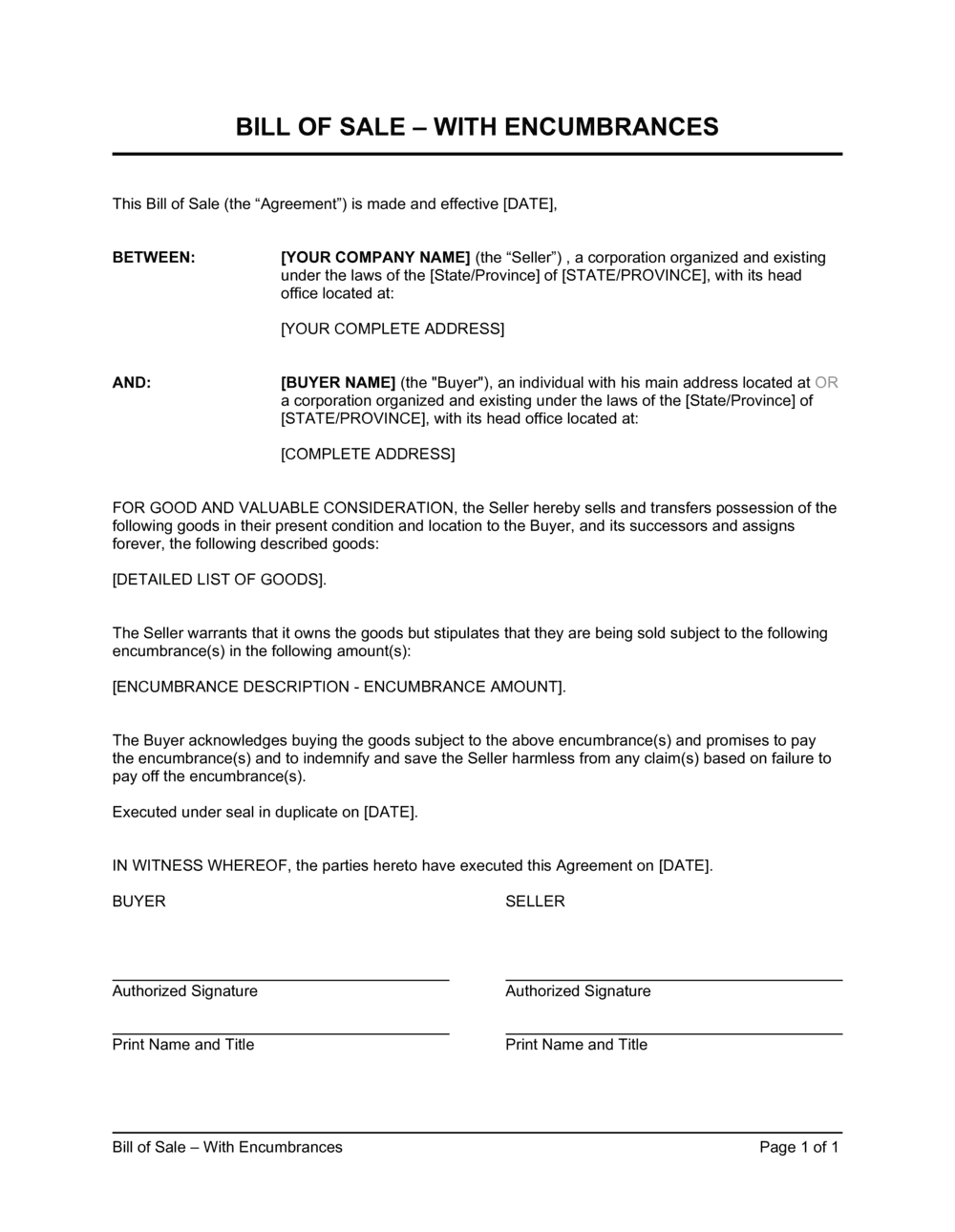
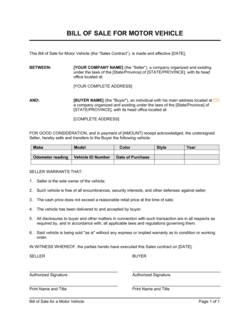
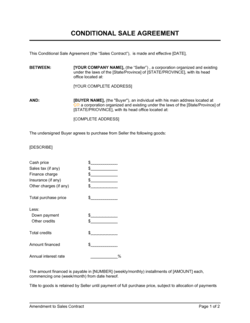
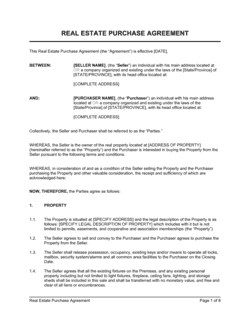
Enter the full legal names of seller and buyer — use registered entity names for businesses, not trade names. Include all identifying details for the asset: serial number, VIN, year, make, model, and any other distinguishing information.
💡 For vehicles, verify the VIN on the physical asset against the title document before entering it — a transposed digit creates a title registration failure.
2
Research and document every encumbrance
Contact each lienholder to obtain a current payoff statement showing the account number, outstanding balance, and the date through which the quote is valid. List every lien — not just the largest one.
💡 Run a UCC lien search in the relevant state filing office before the sale to confirm you have identified every security interest — undisclosed UCC liens survive asset transfers and become the buyer's problem.
3
Set the purchase price and allocate the payment clearly
State the total consideration, then break it into the amount going directly to the lienholder for payoff and the net proceeds to the seller. Specify the payment method and exact date for each payment leg.
💡 If a lender is being paid off at closing, arrange for the buyer or escrow to wire directly to the lienholder on closing day — never pass lien-payoff funds through the seller's personal account.
4
Assign discharge or assumption responsibility explicitly
Decide — and state clearly in the document — whether the seller will discharge the lien from sale proceeds before or at closing, or whether the buyer is formally assuming the debt. Do not leave this ambiguous.
💡 If the buyer is assuming debt, confirm in advance that the lienholder consents — most commercial lending agreements contain anti-assignment clauses that prohibit assumption without lender approval.
5
Draft seller warranties and buyer acknowledgment
Complete the warranties section confirming the disclosed encumbrances are the only ones, and include a buyer acknowledgment clause that the buyer has reviewed and accepted the encumbrance terms.
💡 Have the buyer initial the encumbrance disclosure schedule separately at signing — this creates a clear record that the buyer reviewed the specific lien details, not just the general warranty language.
6
Complete the indemnification clause
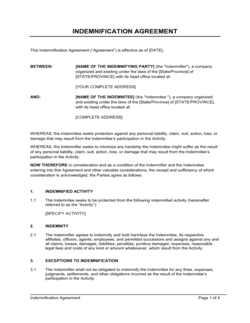
Tailor indemnification to match who is taking on which obligation. If the seller is discharging the lien, make the seller's indemnity for failure to discharge specific and time-bound.
💡 Set a hard deadline — not just 'at closing' — for lien discharge, and include a daily dollar penalty for each day beyond that deadline. It creates a strong incentive to close out the lien promptly.
7
Confirm title transfer timing and delivery logistics
State precisely when title passes, who arranges delivery, and which party pays transfer taxes and registration costs. For vehicles, note whether the physical title document will be held by the lienholder until payoff.
💡 In many states, a lienholder holds the original title until the loan is paid in full. Confirm the lender's process for releasing the physical title and build that timeline into the closing schedule.
8
Execute the document and obtain lien release documentation
Both parties sign and date the agreement. After the lien is paid, obtain a written lien release or UCC-3 termination statement from the lienholder and deliver it to the buyer promptly.
💡 File the UCC-3 termination statement yourself if the lienholder is slow to do it — the buyer needs the public record cleared to re-pledge the asset or resell it free and clear.