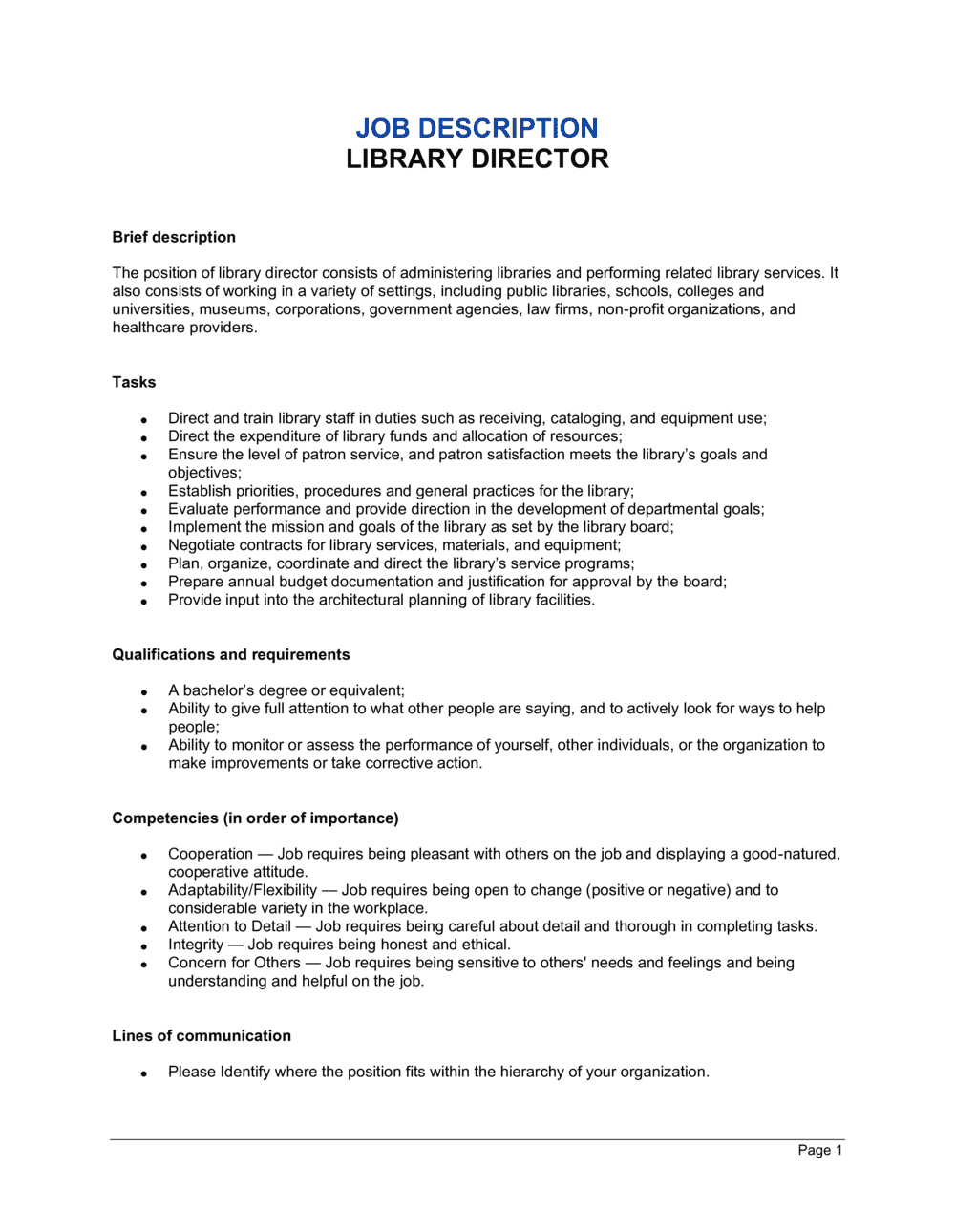
- Position Description
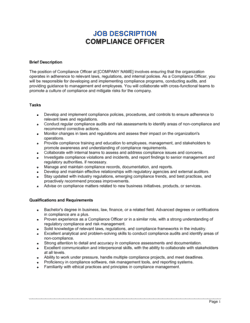
- A formal document specifying the duties, qualifications, reporting relationships, and performance expectations attached to a defined role.
- Reporting Structure
- The chain of authority defining who the library director reports to — typically a board of trustees, city manager, or provost — and who reports to the director.
- Essential Functions
- The core duties that define the position and cannot be removed without fundamentally changing the role, used to establish ADA accommodation baselines in the US.
- MLIS / MLS
- Master of Library and Information Science (or Master of Library Science) — the standard graduate credential required for professional library director roles in most jurisdictions.
- FLSA Classification
- Designation under the US Fair Labor Standards Act of whether the role is exempt or non-exempt from overtime pay requirements — most library director roles are classified as exempt.
- Board of Trustees
- The governing body with oversight authority over a public or nonprofit library, typically responsible for hiring, evaluating, and dismissing the library director.
- Strategic Plan
- A multi-year document aligning the library's programs, staffing, and budget to community or institutional goals — the director is typically its primary author and steward.
- Collection Development
- The policy-driven process of selecting, acquiring, maintaining, and weeding library materials across physical and digital formats.
- ADA Compliance
- Adherence to the Americans with Disabilities Act requirements for physical access, assistive technology, and equitable service delivery in library facilities.
- At-Will Employment
- Employment that either party may end at any time for any lawful reason — the default in most US states, though many library director roles include contractual notice requirements.
- Salary Band
- A defined minimum-to-maximum compensation range attached to a position grade, used to ensure pay equity and budget predictability across comparable roles.