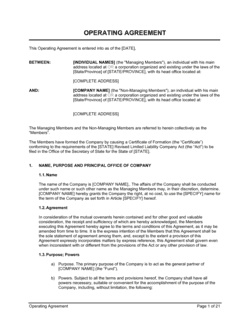
Organizing Your Business Checklist

Free download β€’ Use as a template β€’ Print or share

2 pagesβ€’20–25 min to useβ€’Difficulty: Standard
Learn more ↓
FreeOrganizing Your Business Checklist Template

At a glance

What it is
An Organizing Your Business Checklist is a structured form that walks a founder or owner through every administrative, legal, and operational task required to properly set up a new business. This free Word download lets you customize the task list, assign owners, and track completion status in one place β€” then export as PDF to share with partners, advisors, or accountants.
When you need it
Use it at the moment you decide to formally launch a business β€” before you open a bank account, hire anyone, or start trading. It is equally useful when an existing business is restructuring, adding a new legal entity, or expanding into a new state or country.
What's inside
Entity formation tasks, tax registration steps, licensing and permit requirements, banking and insurance setup items, operational readiness checks, and a status-tracking column for each task so nothing falls through the cracks.

What is an Organizing Your Business Checklist?

An Organizing Your Business Checklist is a structured form that guides a founder or business owner through every legal, administrative, and operational task required to properly constitute a new business entity. It covers entity formation filings, tax ID registration, business licenses and permits, banking setup, insurance procurement, internal governance documents, and intellectual property registrations β€” with a status-tracking column for each item so nothing is overlooked during the high-pressure early weeks of launching a business.

Why You Need This Document

Setting up a business involves more than choosing a name and opening a bank account. Missing a single step β€” an unpaid state filing fee, a skipped local business license, or a forgotten sales tax registration β€” can mean operating illegally, incurring penalties, or losing the liability protection the entity was formed to provide. Without a checklist, critical tasks like appointing a registered agent or drafting an operating agreement get deferred indefinitely because no one has formally taken ownership of them. This template gives every founder a complete, editable task list with fields for owners and due dates, so setup moves in a straight line from entity filing to fully operational business β€” with nothing left to chance.

Which variant fits your situation?

If your situation is…Use this template
Setting up a new LLC or corporation from scratchOrganizing Your Business Checklist
Planning the full launch of a new product or serviceNew Business Plan Checklist
Onboarding a new employee after business setup is completeEmployee Onboarding Checklist
Conducting an annual review of business compliance obligationsAnnual Business Compliance Checklist
Preparing to open a second location or new entityBusiness Expansion Checklist
Registering a business to operate in an additional stateForeign Qualification Checklist
Winding down or dissolving an existing business entityBusiness Dissolution Checklist

Common mistakes to avoid

❌ Starting operations before entity formation is confirmed

Why it matters: Contracts signed, accounts opened, or income received before the entity is legally registered may be attributed to the individual personally, exposing personal assets to liability.

Fix: Wait for the state to return a confirmed filing number before conducting any business transactions in the entity's name.
❌ Skipping city and county license requirements

Why it matters: Many founders check only state-level requirements and miss local business licenses that carry their own fees, renewal cycles, and penalties for non-compliance.

Fix: Search your city and county government websites separately from the state portal, or use SBA's license lookup tool, and add every applicable local license to the checklist.

❌ Assigning no task owners in a multi-founder setup

Why it matters: When every founder assumes another is handling a task, critical items like tax registrations or insurance applications slip past deadlines.

Fix: Before sharing the checklist, assign a specific person's name to every row and set a due date β€” even if the same person ends up handling most items.

❌ Failing to track renewal and expiration dates

Why it matters: An expired business license or lapsed registered agent appointment can result in fines, loss of good standing, and inability to enter contracts or secure financing.

Fix: Populate the expiration date column for every license, permit, and insurance policy, then create calendar reminders at least 60 days before each renewal.

The 10 key fields, explained

Business Entity Type and State of Formation

EIN Application Status

Registered Agent Appointment

Operating Agreement or Bylaws

Business Licenses and Local Permits

Business Bank Account Setup

Tax Registrations (Federal, State, Local)

Business Insurance Coverage

Intellectual Property Registrations

Task Owner and Completion Sign-Off

How to fill it out

  1. 1

    Select your entity type and state of formation

    Decide whether you are forming an LLC, S-Corp, C-Corp, or operating as a sole proprietor. Enter the state where you will register and the anticipated filing date.

    πŸ’‘ If you are unsure which entity type is right for your tax situation, spend 30 minutes with a CPA before filing β€” changing the structure after formation is possible but adds cost and paperwork.

  2. 2

    File your formation documents and note the confirmation number

    Submit your Articles of Organization (LLC) or Articles of Incorporation (Corp) to the state. Record the confirmation or filing number in the checklist as proof of submission.

    πŸ’‘ Most states offer expedited filing for an additional fee β€” worth it if you need the entity active before a specific contract or bank appointment.

  3. 3

    Apply for your EIN immediately after formation is confirmed

    Go to IRS.gov and apply online β€” you receive the EIN immediately at the end of the session. Enter it in the tax registration row along with the date received.

    πŸ’‘ Apply on a weekday between 7 a.m. and 10 p.m. ET. The online system is unavailable outside these hours and closed on federal holidays.

  4. 4

    Draft and sign your operating agreement or bylaws

    Customize the internal governance document for your entity type, covering profit distribution, decision-making authority, and exit procedures. Get all members or directors to sign before the first operating transaction.

    πŸ’‘ Store the signed original in a dedicated corporate records folder β€” physical or cloud-based β€” and note the storage location in the checklist.

  5. 5

    Research and apply for all required licenses and permits

    Check federal, state, county, and city requirements for your specific business type and location. Enter each license in the permits field with its issuing authority and expiration date.

    πŸ’‘ The SBA's Business License and Permits tool at sba.gov is a reliable starting point for federal and state requirements by industry and location.

  6. 6

    Assign each remaining task to a named owner with a target date

    Go through every unchecked item β€” insurance, bank account, tax registrations, IP filings β€” and assign a specific person and a completion deadline. A shared checklist with no owners is a checklist that stalls.

    πŸ’‘ Set calendar reminders for every expiration and renewal date captured in the checklist β€” licenses, insurance policies, and registered agent renewals are easy to miss.

Frequently asked questions

What is a business organization checklist?

A business organization checklist is a structured form that lists every administrative, legal, and operational task required to properly set up a new business entity. It typically covers entity formation, tax ID registration, licensing, banking, insurance, and internal governance documents β€” with a status column to track completion. Using one ensures nothing is missed during the often-chaotic early weeks of launching a business.

When should I use a business organization checklist?

Use it the moment you decide to formally register a business β€” before you open a bank account, sign any contracts, or hire anyone. It is also useful when an existing business adds a new legal entity, expands into a new state, or restructures its ownership. Starting the checklist early prevents the common mistake of operating informally before formation is complete.

Do I need a lawyer to complete a business organization checklist?

Not for most standard LLC or corporation setups. The checklist itself is a tracking tool you can complete independently. However, if your business involves multiple partners with complex equity arrangements, regulated industries like healthcare or financial services, or multi-state operations, a 1–2 hour consultation with a business attorney is worthwhile before you file anything.

What is the difference between a business checklist and a business plan?

A business checklist tracks the administrative and legal tasks required to get the entity properly registered and operational. A business plan is a strategic document covering market analysis, financial projections, and growth strategy β€” typically used for internal planning or capital raising. You need both, but the checklist comes first, before you spend time on strategy.

How long does it take to complete all the tasks on a business organization checklist?

The timeline depends on your state and industry. Entity formation takes 1–10 business days in most US states (same-day in some with an expedited fee). The IRS issues an EIN online in minutes. Licenses and permits can take days to several weeks depending on the issuing authority. Most founders complete all core setup tasks within 2–4 weeks of starting.

Can I use this checklist for any type of business entity?

Yes, with minor adjustments. The core tasks β€” EIN, bank account, insurance, licenses β€” apply to LLCs, corporations, sole proprietors, and partnerships alike. The internal governance section differs by entity type: LLCs need an operating agreement, corporations need bylaws and initial board resolutions, and sole proprietors need neither. The template includes fields for all of these so you can mark irrelevant items as not applicable.

What happens if I skip a step on the checklist?

Skipping steps creates specific, concrete risks. Missing a tax registration means you cannot legally collect or remit sales tax. Missing a local business license can result in fines or an order to stop operating until the license is obtained. Missing the operating agreement leaves your LLC governed entirely by your state's default rules, which rarely match what the founders actually agreed to.

Do I need to update this checklist after the business is launched?

The initial checklist is a one-time setup document, but the renewal and expiration tracking section should be reviewed at least annually. Many businesses add a recurring annual compliance checklist to confirm that all licenses, registrations, and insurance policies are current and that any new regulatory requirements have been identified and addressed.

How this compares to alternatives

vs Business Plan

A business plan is a strategic document covering market opportunity, financial projections, and growth strategy β€” used for internal alignment or capital raising. An organizing checklist is an operational tracking tool that ensures every legal and administrative setup task is completed before the business starts operating. The checklist comes first; the business plan runs in parallel or follows.

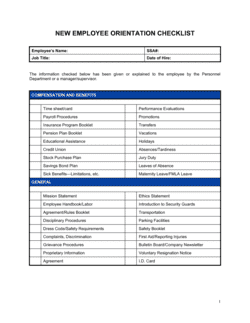
vs New Employee Onboarding Checklist

An employee onboarding checklist tracks what needs to happen when a new hire joins the business β€” paperwork, system access, training. A business organization checklist tracks what needs to happen to legally constitute and register the business itself. The business must be properly organized before it can onboard its first employee.

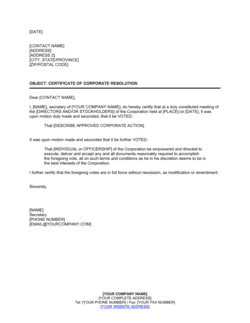
vs Corporate Resolution

A corporate resolution is a formal decision document signed by a board of directors to authorize a specific action β€” opening a bank account, entering a contract, or issuing shares. It is one item you may need to produce during the business setup process. The organizing checklist tracks that the resolution has been completed, not its content.

vs Annual Report

An annual report documents a business's performance and activities over the past year, typically for stakeholders or state filing requirements. The organizing checklist is a one-time setup tool for new entities. Once the business is operational, an annual compliance checklist takes over the role of ensuring ongoing registration and reporting obligations are met.

Industry-specific considerations

Professional Services

Professional license verification (CPA, law, engineering) and errors-and-omissions insurance coverage are checklist priorities before the first client engagement.

Retail and E-commerce

Sales tax permit registration across all states where nexus exists is a critical checklist item, especially for online sellers shipping nationally.

Food and Beverage

Health department permits, food handler certifications, and local zoning approvals are required before opening and must each be tracked with their own renewal dates.

Construction and Trades

Contractor licensing, bonding, and workers' compensation insurance are non-negotiable setup tasks and are commonly required before a first contract can be awarded.

Template vs pro β€” what fits your needs?

PathBest forCostTime
Use the templateSolo founders and small teams setting up a standard LLC or single-state corporationFree1–2 hours to complete the checklist; 2–4 weeks to finish all underlying tasks
Template + professional reviewMulti-founder businesses, regulated industries, or setups involving complex licensing$200–$500 for a one-hour attorney or CPA review3–5 weeks including advisor input
Custom draftedMulti-state formations, franchise setups, or businesses with industry-specific regulatory compliance requirements$500–$2,000 for a full formation package with legal counsel4–8 weeks

Glossary

Articles of Incorporation
The founding document filed with a state to legally create a corporation, establishing its name, purpose, and share structure.
EIN (Employer Identification Number)
A nine-digit tax ID assigned by the IRS to identify a business entity for federal tax purposes β€” required for payroll, banking, and most registrations.
DBA (Doing Business As)
A trade name registration allowing a business to operate under a name different from its legal entity name.
Registered Agent
A person or service designated to receive official legal and government correspondence on behalf of a business entity.
Operating Agreement
An internal document governing how an LLC is managed, how profits are distributed, and what happens when a member leaves.
Business License
A government-issued permit authorizing a business to operate within a specific jurisdiction, typically issued at the city or county level.
S-Corp Election
A tax designation (IRS Form 2553) allowing an eligible corporation or LLC to pass corporate income through to shareholders and avoid double taxation.
Sales Tax Permit
A state-issued registration required before a business can collect sales tax from customers on taxable goods or services.
NAICS Code
A six-digit industry classification code used by federal agencies to categorize businesses for statistical, tax, and regulatory purposes.
Certificate of Good Standing
A document issued by the state confirming that a business entity is legally registered and current on all filings and fees.

Part of your Business Operating System

This document is one of 3,000+ business & legal templates included in Business in a Box.

  • Fill-in-the-blanks β€” ready in minutes
  • 100% customizable Word document
  • Compatible with all office suites
  • Export to PDF and share electronically

Create your document in 3 simple steps.

From template to signed document β€” all inside one Business Operating System.
1
Download or open template

Access over 3,000+ business and legal templates for any business task, project or initiative.

2
Edit and fill in the blanks with AI

Customize your ready-made business document template and save it in the cloud.

3
Save, Share, Send, Sign

Share your files and folders with your team. Create a space of seamless collaboration.

Save time, save money, and create top-quality documents.

β˜…β˜…β˜…β˜…β˜…

"Fantastic value! I'm not sure how I'd do without it. It's worth its weight in gold and paid back for itself many times."

Managing Director Β· Mall Farm
Robert Whalley
Managing Director, Mall Farm Proprietary Limited
β˜…β˜…β˜…β˜…β˜…

"I have been using Business in a Box for years. It has been the most useful source of templates I have encountered. I recommend it to anyone."

Business Owner Β· 4+ years
Dr Michael John Freestone
Business Owner
β˜…β˜…β˜…β˜…β˜…

"It has been a life saver so many times I have lost count. Business in a Box has saved me so much time and as you know, time is money."

Owner Β· Upstate Web
David G. Moore Jr.
Owner, Upstate Web

Run your business with a system β€” not scattered tools

Stop downloading documents. Start operating with clarity. Business in a Box gives you the Business Operating System used by over 250,000 companies worldwide to structure, run, and grow their business.

Start freeΒ Β·Β No credit card required