Human Resources Templates

4.7from 280+ reviews Trusted by 20M+ businesses

Draft policies, job descriptions, handbooks, and employee records without starting from a blank page.

WordEditable onlinePDF659+ human resources templates

Browse 15 categories

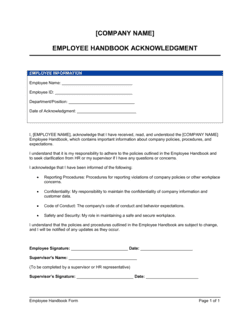
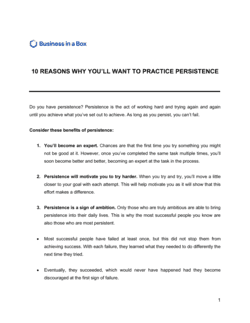
Employee Handbook Template
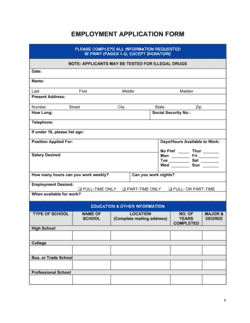
Employment Application Form Template
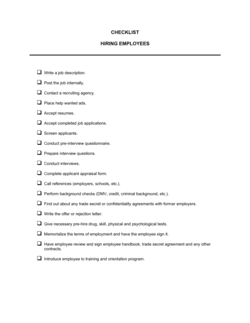
Checklist Hiring Employees Template
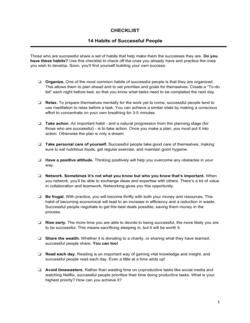
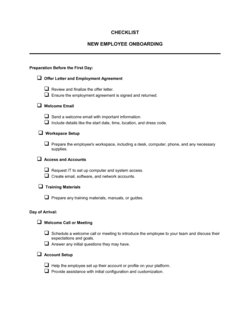
New Employee Onboarding Checklist Template
30 60 90 Day Plan Template
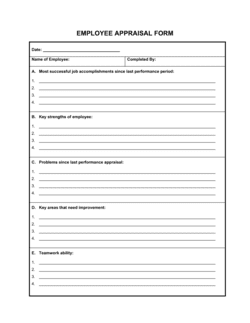
Employee Appraisal Form Template
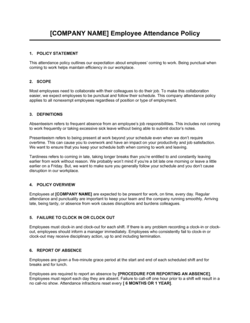
Attendance Policy Template
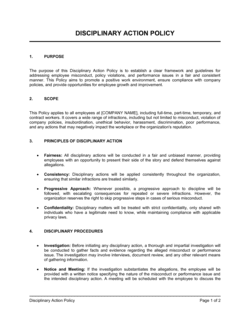
Disciplinary Action Policy Template
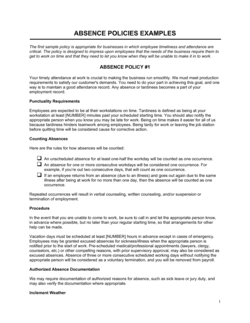
Absence Policies
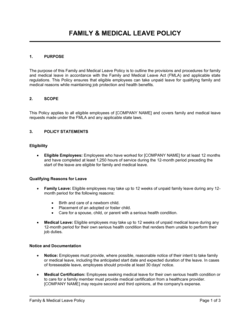
Family and Medical Leave Policy Template
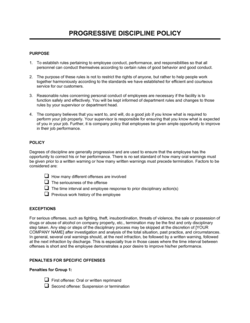
Progressive Discipline Policy Template
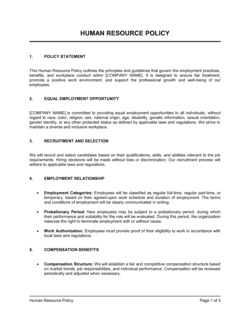
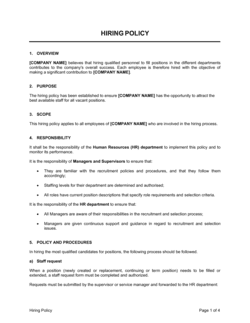
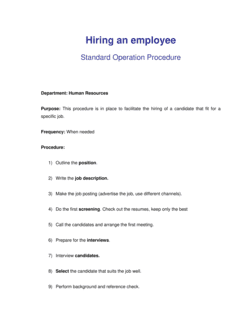
Hiring Policy Template
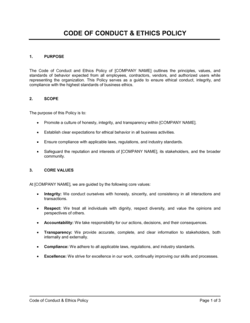
Code of Conduct and Ethics Policy Template
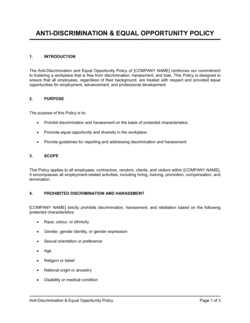
Anti Discrimination & Equal Opportunity Policy Template
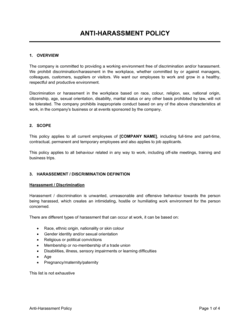
Anti Harassment Policy Template
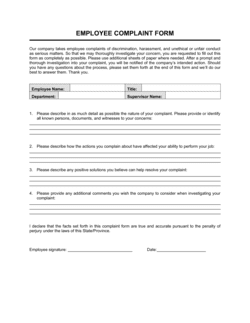
Employee Complaint Form Template
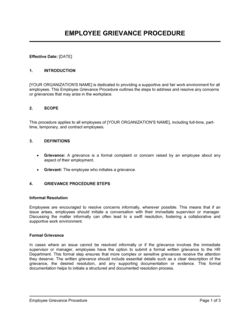
Employee Grievance Procedure Template
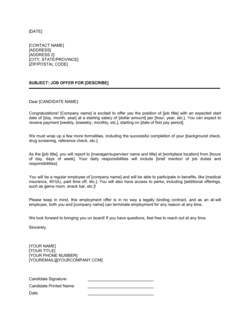
Job Offer Letter — Long Form
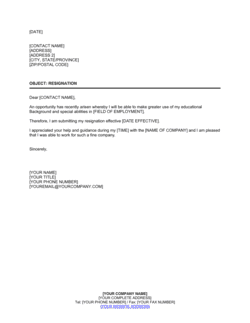
Resignation Letter Template
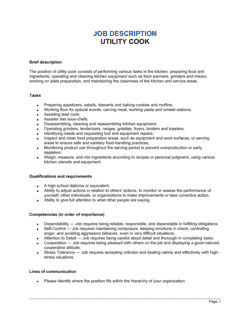
Utility Cook Job Description Template
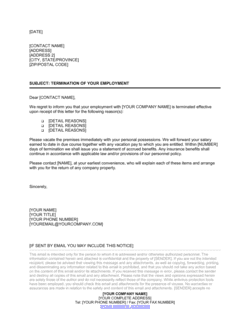
Employee Dismissal Letter Template
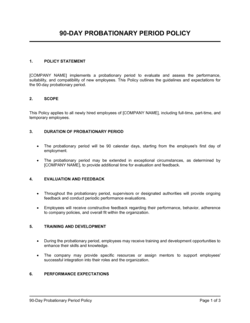
90-Day Probationary Period Policy Template
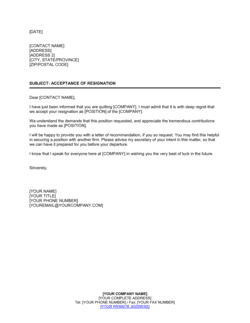
Acceptance of Resignation Template
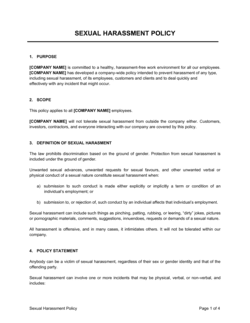
Sexual Harassment Policy Template
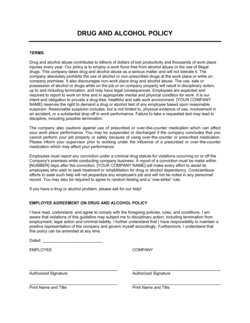
Drug And Alcohol Policy Template
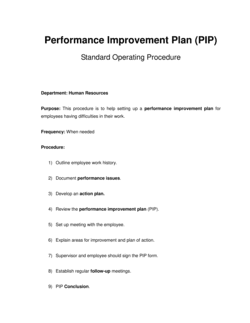
Performance Improvement Plan Template
How to Hire an Employee Template
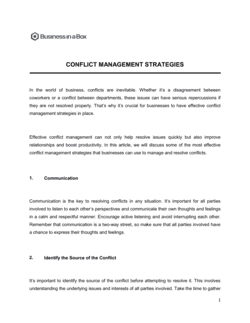
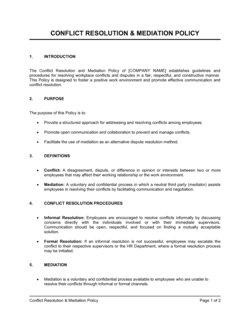
Conflict Resolution and Mediation Policy Template
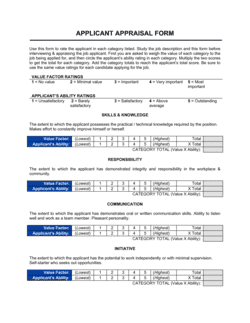
Applicant Appraisal Form Evaluation Template
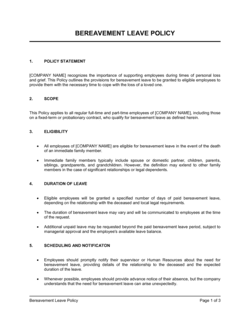
Bereavement Leave Policy Template
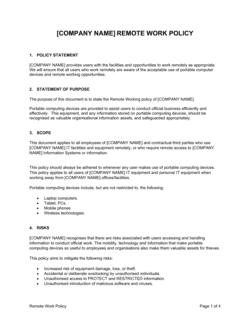
Remote Work Policy Template
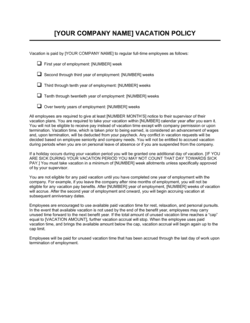
Vacation Policy Template
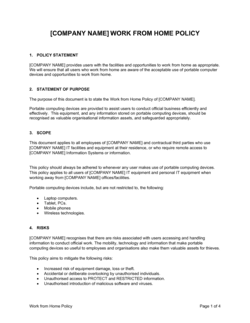
Work From Home Policy Template
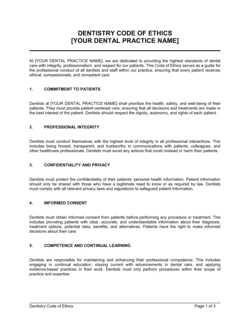
Dentistry Code of Ethics Template
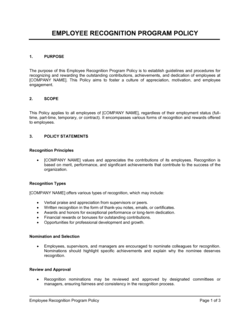
Employee Recognition Program Policy Template
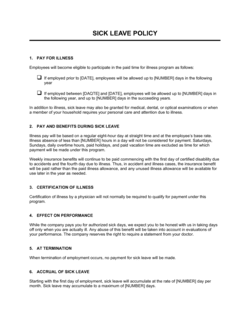
Sick Leave Policy Template
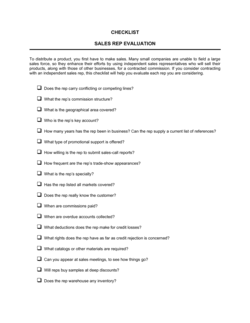
Checklist Sales Rep Evaluation Template
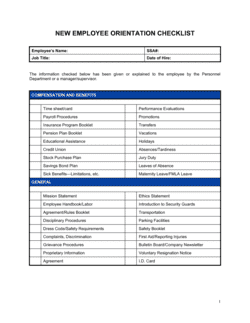
New Employee Orientation Checklist Template
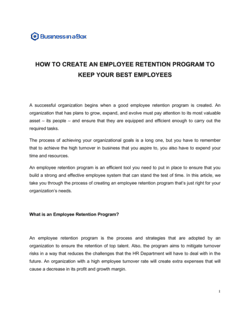
Employee Retention Program Template
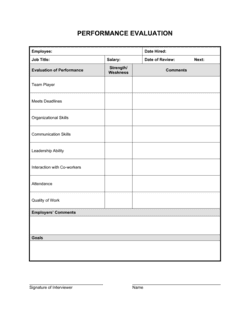
Performance Evaluation Template
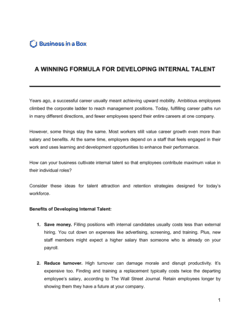
Internal Talent Development Agreement Template
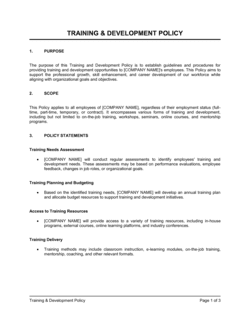
Training and Development Policy Template
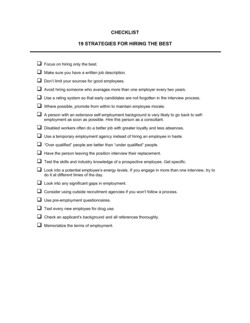
19 Strategies for Hiring the Best Checklist Template
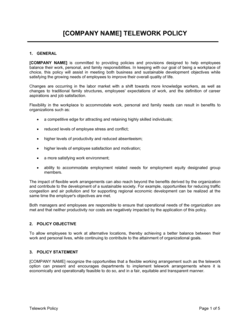
Telework Policy Template
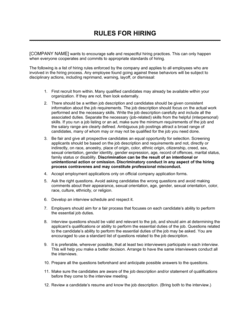
Rules For Hiring Template
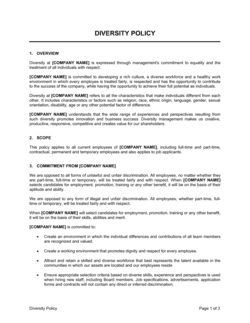
Diversity Policy Template
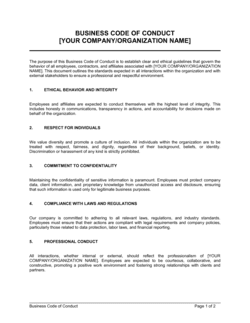
Business Code of Conduct Template
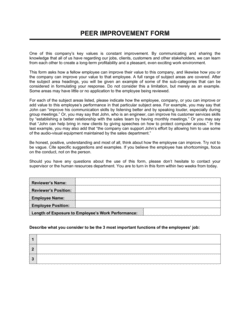
Peer Improvement Form Template
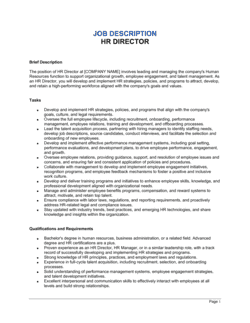
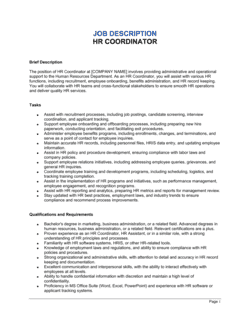
HR Director Job Description Template
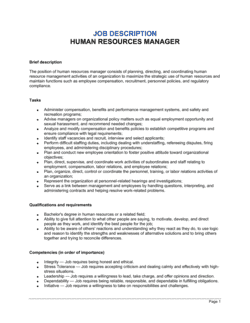
Human Resources Manager Job Description Template
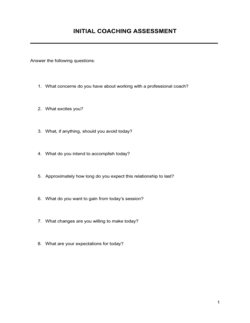
Initial Coaching Questions Template
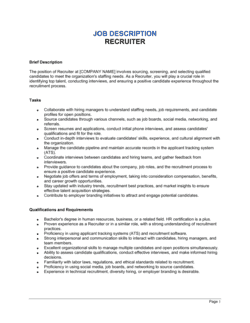
Recruiter Job Description Template
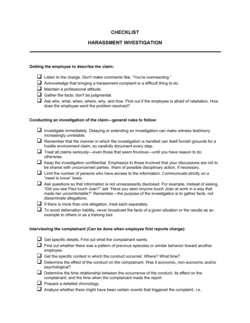
Harassment Investigation Checklist Template
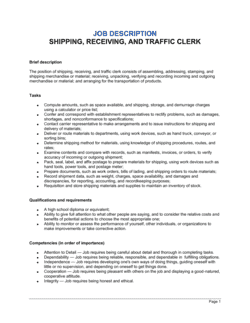
Shipping Receiving and Traffic Clerk Job Description Template
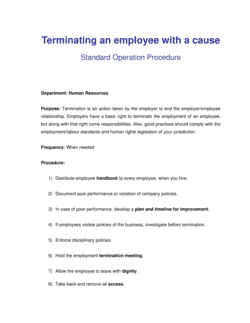
How to Terminate an Employee Template
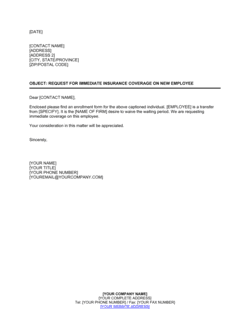
Request Immediate Insurance Coverage For New Employee Template
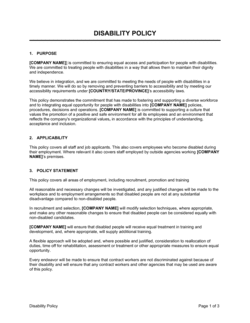
Disability Policy Template
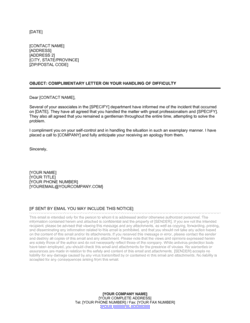
Complimentary Letter: Handling Difficulty Template
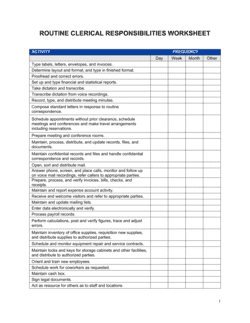
Worksheet Routine Clerical Responsibilities Template
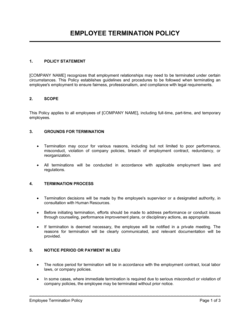
Employee Termination Policy Template

Showing 60 of 659 templates

Looking for something else?

Search all 659 templates in this category by name or keyword.

Or browse by category

Business-in-a-Box has all 659 in this category, plus the rest of the library, ready to edit. See what's inside

250K+Clients
20M+Free users
20+Years
190+Countries
10,000+Law firms
50M+Downloads

Trusted across review platforms

  • Capterra★★★★☆4.649 reviews
  • G2★★★★☆4.713 reviews
  • GetApp★★★★☆4.649 reviews
  • Google Play★★★★☆4.6179 ratings
  • Google Reviews★★★★☆4.567 reviews

Related categories

Frequently asked questions

What documents does every HR department need?
At minimum: an employee handbook, a set of core HR policies (conduct, leave, termination), job descriptions for each role, an onboarding checklist, and individual employee records. Growing companies add training plans, retention guides, and formal performance review templates as headcount increases.
Are HR policies legally required?
Some policies are legally required — workplace harassment, health and safety, and leave policies are mandated by law in most jurisdictions. Others are not legally required but are strongly recommended because they reduce legal exposure if an employment dispute arises. Consult an employment lawyer to confirm which policies are mandatory in your region.
What should an employee handbook include?
A standard employee handbook covers company culture and values, code of conduct, attendance and leave policies, compensation and benefits overview, health and safety rules, disciplinary procedures, and termination processes. It should be reviewed by employment counsel before distribution and updated whenever a policy changes.
How often should HR documents be updated?
At minimum, review core HR documents annually. Immediate updates are needed when employment laws change, when the company restructures, or after a significant HR incident that reveals a gap in existing policies. Out-of-date documents can be as harmful as no document at all.
How is a job description different from an interview guide?
A job description defines the role — responsibilities, qualifications, reporting structure — and is used in recruiting and as an ongoing reference for performance management. An interview guide structures the hiring conversation with role-specific questions to evaluate candidates consistently. Both documents draw from the same role definition but serve different stages of the hiring process.
What employee records must a company keep?
Most jurisdictions require employers to retain records of employment contracts, payroll, tax filings, performance reviews, and any disciplinary actions. Retention periods typically range from 3 to 7 years depending on the document type and local law. Storing records in a structured employee record template makes retrieval and compliance audits significantly easier.
Can small businesses use the same HR templates as large companies?
Yes — the templates are designed to be scalable. A sole trader hiring their first employee needs the same core documents as a mid-sized company: an offer letter, an employee record, and a basic handbook. The policies will be simpler, but the structure is the same. Templates allow small teams to implement professional-grade HR without a dedicated HR department.
What is an employee assistance program (EAP) policy?
An EAP policy formally communicates to employees that the company offers confidential support services — counseling, financial advice, legal guidance — and explains how to access them. A written policy ensures employees know the benefit exists and sets expectations about confidentiality, so they feel safe using the program.

Human Resource vs. related documents

Human Resource vs. Employment Agreement

An HR template standardizes internal documents — handbooks, policies, records — that govern the employment relationship on an ongoing basis. An employment agreement is a bilateral contract between employer and employee that creates the legal relationship in the first place. You typically need both: the agreement to establish terms, and the HR documents to manage day-to-day operations.

Human Resource vs. HR Software (HRIS)

HR software automates workflows and stores data. HR document templates provide the underlying content — the policy text, the form structure, the handbook language — that the software stores and distributes. Templates are necessary even when you use an HRIS because the software does not write your policies for you.

Key clauses every Human Resource contains

Regardless of template type, well-drafted HR documents share a common set of elements that make them clear, consistent, and defensible.

  • Scope and applicability. States which employees, roles, or locations the document applies to, preventing ambiguity about who is covered.
  • Effective date and version control. Records when the document came into force and tracks revision history so the current version is always identifiable.
  • Roles and responsibilities. Specifies who owns each process — HR, managers, employees — and what actions each party is expected to take.
  • Procedure or process steps. Describes the sequence of actions required, reducing inconsistent application across departments or managers.
  • Consequences of non-compliance. Explains what happens when the policy is not followed, from informal warnings to termination.
  • Acknowledgment and sign-off. Provides a record that the employee has read and understood the document, important for legal defensibility.
  • Review and update schedule. Sets a cadence for reviewing the document to keep it aligned with current law and company practice.
  • Confidentiality and data handling. Addresses how sensitive employee information collected in forms and records must be stored and protected.

How to write an HR document

Whether you're drafting a policy, a job description, or an employee handbook, every HR document follows the same foundational process.

  1. 1

    Define the document's purpose

    Decide what specific problem or process the document addresses — onboarding, termination, conduct — before writing a single word.

  2. 2

    Identify who it applies to

    State clearly which employees, locations, or employment types the document covers so there's no ambiguity.

  3. 3

    Research legal and compliance requirements

    Check applicable employment laws in your jurisdiction — minimum wage, leave entitlements, termination rules — before setting policy language.

  4. 4

    Draft the core content using a template

    Start with a pre-built template to ensure all standard sections are present, then customize for your company's specifics.

  5. 5

    Have managers and legal counsel review

    Operations managers flag practical gaps; employment counsel confirms the document doesn't conflict with local law.

  6. 6

    Add an acknowledgment mechanism

    Include a signature line or digital acknowledgment so you have proof each employee received and read the document.

  7. 7

    Publish, communicate, and store securely

    Distribute the document through your HR system or intranet, brief managers, and store signed copies in each employee record.

  8. 8

    Schedule regular reviews

    Set a calendar reminder to review each HR document at least annually and update it whenever the law or company structure changes.

At a glance

What it is
Human resources (HR) templates are ready-to-use documents that standardize the way a business hires, manages, and retains its people. They cover everything from job descriptions and employee handbooks to policies, training plans, and termination procedures.
When you need one
Any time you're hiring a new role, updating a workplace policy, onboarding an employee, or documenting HR processes, a template saves time and reduces the risk of leaving out legally or operationally important details.

Which Human Resource do I need?

The right HR template depends on where you are in the employee lifecycle — recruiting, onboarding, day-to-day management, or offboarding. Match your situation below.

Your situation
Recommended template

Setting company-wide rules, expectations, and conduct standards

A single reference document covering all policies employees need to know from day one.

Defining a formal HR policy for a specific topic

Purpose-built for documenting individual HR policies with consistent structure.

Hiring an HR manager and preparing structured interview questions

Provides role-specific questions to evaluate candidates consistently.

Writing a job description for a new HR leadership role

Pre-written responsibilities and qualifications for a senior HR hire.

Onboarding remote or hybrid employees with different working rules

Tailored policies covering home-office expectations, availability, and equipment.

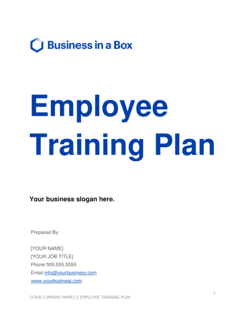
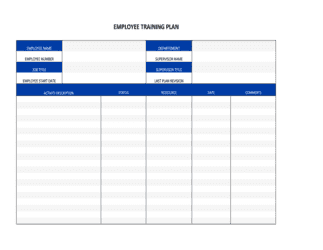
Documenting a formal plan to train a new or existing employee

Structures training objectives, milestones, and responsibilities in one place.

Formalizing the process for ending an employment relationship

Defines the steps, documentation, and approvals required before termination.

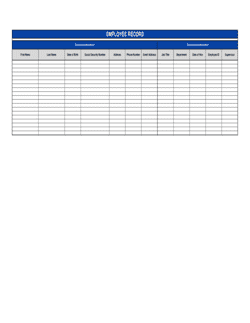
Keeping a complete, organized record for each staff member

Captures employment history, compensation, and HR actions in a standardized format.

Glossary

Employee handbook
A document that communicates company policies, expectations, and culture to all employees, typically provided at onboarding.
HR policy
A formal statement of the rules governing a specific aspect of employment, such as attendance, leave, or conduct.
Job description
A document that defines the responsibilities, qualifications, and reporting structure for a specific role.
Onboarding
The process of integrating a new employee into the organization, typically covering paperwork, training, and introductions.
Employee record
A file — physical or digital — containing all key information about an individual employee: personal details, employment history, performance, and HR actions.
At-will employment
An employment arrangement, common in the US, where either party may end the relationship at any time without cause, subject to legal exceptions.
Termination policy
A document outlining the conditions, process, and required approvals for ending an employment relationship.
Training plan
A structured document that sets out learning objectives, timelines, and responsibilities for developing an employee's skills.
Change management
The structured process of transitioning an organization, team, or individual from a current state to a desired future state.
Employee retention
The strategies and practices a company uses to keep existing employees engaged and reduce voluntary turnover.
Acknowledgment form
A signed document confirming that an employee has received, read, and understood a specific policy or handbook.
EAP (Employee Assistance Program)
A confidential employer-sponsored benefit providing employees with access to counseling, mental health, financial, or legal support services.

What is a human resources template?

A human resources (HR) template is a pre-structured document that gives businesses a consistent, professional starting point for the paperwork that governs the employment relationship. HR templates span the entire employee lifecycle — from writing a job description and conducting a structured interview, to issuing an employee handbook, maintaining individual records, and documenting a termination. By standardizing these documents, companies ensure that nothing critical is omitted and that every employee is treated according to the same written rules.
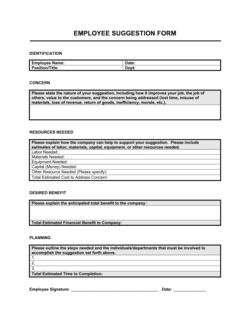
HR documentation falls into several broad categories. Policy documents set the rules — conduct, leave, termination, wellness. Operational documents capture information — employee records, training plans, suggestion forms. Guidance documents equip managers to make better decisions — interview guides, retention strategies, conflict management frameworks. Together, these templates form the backbone of a functional HR operation regardless of company size.
Well-drafted HR documents also reduce legal exposure. When an employment dispute arises, written policies and signed acknowledgments are often the difference between a defensible position and a costly settlement.

When you need an HR template

Any time your business takes an action that affects employment — hiring, setting expectations, training, managing performance, or ending a role — you need a written record. The absence of documentation doesn't mean a decision didn't happen; it means you can't prove what was decided or communicated.

Common triggers:

  • Hiring your first employee and needing a handbook to set expectations
  • Writing a job description for a new or restructured role
  • Updating workplace policies to reflect a change in law or company structure
  • Onboarding a remote or hybrid employee with different working arrangements
  • Rolling out a formal training program for a team or department
  • Documenting a disciplinary action or termination in a defensible way
  • Building an HR function for the first time as a growing company
  • Preparing structured interview questions to evaluate candidates consistently

The cost of undocumented HR practices shows up slowly — in inconsistent decisions, manager disputes, and employment claims that are hard to defend. A library of current, signed HR documents is one of the lowest-cost risk-management investments a business can make.

Award-winning platform

  • Great Place to Work 2025
  • BIG Award — Product of the Year 2025
  • Smartest Companies 2025
  • Global 100 Excellence 2026
  • Best of the Best 2025

Create your document in 3 simple steps.

From template to signed document — all inside one Business Operating System.

1
Download or open template

Access over 3,000+ business and legal templates for any business task, project or initiative.

2
Edit and fill in the blanks with AI

Customize your ready-made business document template and save it in the cloud.

3
Share with your team

Share your files and folders with your team. Create a space of seamless collaboration.

Save time, save money, and create top-quality documents.

★★★★★

"Fantastic value! I'm not sure how I'd do without it. It's worth its weight in gold and paid back for itself many times."

Managing Director · Mall Farm
Robert Whalley
Managing Director, Mall Farm Proprietary Limited
★★★★★

"I have been using Business in a Box for years. It has been the most useful source of templates I have encountered. I recommend it to anyone."

Business Owner · 4+ years
Dr Michael John Freestone
Business Owner
★★★★★

"It has been a life saver so many times I have lost count. Business in a Box has saved me so much time and as you know, time is money."

Owner · Upstate Web
David G. Moore Jr.
Owner, Upstate Web

Run your business with a system — not scattered tools

Stop downloading documents. Start operating with clarity. Business in a Box gives you the Business Operating System used by over 250,000 companies worldwide to structure, run, and grow their business.

Start free · No credit card required